
What can reduce sandfly exposure during New Zealand travel?
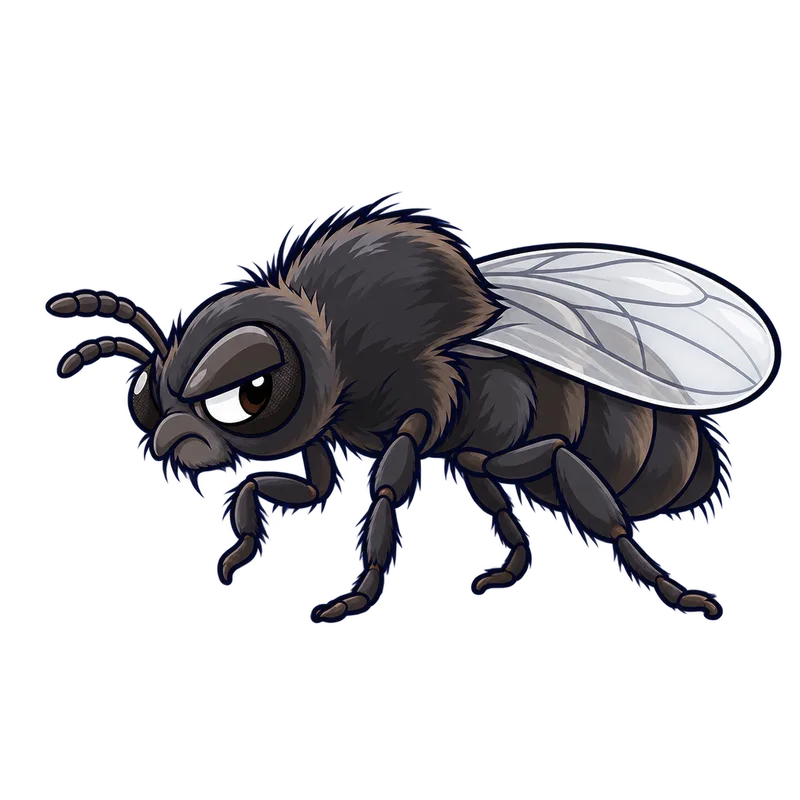
Reducing New Zealand sandfly exposure relies on a layered defense combining mechanical exclusion, chemical repellents, and smart wardrobe choices. Travelers can protect themselves by wearing light-colored, tightly woven clothing that covers the skin, applying topical repellents containing 20 to 30 percent DEET or Picaridin, and using ultra-fine midge netting.
What is actually going on
Picture stepping out of your rental car for a quick breath of fresh air by a stunning New Zealand river, expecting nothing more than a postcard view. Within sixty seconds, your ankles and wrists feel as though someone is shaking a cloud of hot black pepper over them, and by evening you are nursing dozens of angry, weeping red welts. That is the classic introduction to New Zealand biting pests, which locals call sandflies.
The first thing to clear up is that you are not dealing with a single insect species, and you are definitely not dealing with the tropical, disease-carrying sand flies found in parts of the Mediterranean or the Americas. In New Zealand, what everyone calls a sandfly is actually a native black fly or a tiny biting midge measuring barely 1 to 3 mm across. They do not transmit protozoan parasites, but they make up for it by being relentlessly persistent daytime or crepuscular biters. Because they are so small, they easily slip past standard household window screens and catch travelers completely off guard.
Reducing your exposure comes down to a straightforward combination of personal defense strategies rather than any single magic trick. You have to fight back using a layered approach that includes mechanical exclusion, the right chemical repellents, and an understanding of when and where these pests hunt. Relying on just one method, like spraying a bit of natural essential oil and hoping for the best, usually leaves you covered in bites by lunchtime.
How to tell for sure
If you want to know what you are looking at, you usually have to rely on context, size, and behavior rather than a formal laboratory inspection. These tiny flies usually measure between 1 and 3 mm in length, making them look like moving specks of dark gray, brown, or tan.
In terms of behavior, you will usually find them swarming low around your ankles and lower legs during calm, humid, or overcast conditions, especially near fast-flowing rivers, damp forests, and coastal estuaries. They are weak fliers with a high surface-area-to-body-mass ratio, meaning a gentle breeze usually grounds them completely.
One thing you should never try to do is identify the insect from the bite itself. Skin reactions vary wildly from person to person based entirely on individual immune sensitivity, previous exposure, and personal scratching habits. A red welt on your ankle cannot tell you whether you were bitten by a native black fly or a coastal midge, and neither can a blurry photograph of a red mark. Identification stops completely at the skin lesion.
What usually comes next
Your best practical decision is to build a reliable protection stack before you step foot outdoors, matching your gear to the environment you plan to visit. If you are hiking near New Zealand waterways or camping by tidal estuaries, start with your wardrobe by choosing light-colored, tightly woven, loose-fitting clothing that covers your arms and legs completely. Dark clothes attract these pests, and thin fabrics let their bladelike mouthparts reach your skin.
For topical repellents, look for formulations containing 20 to 30 percent DEET or Picaridin. You do not need industrial strength formulas above 30 percent DEET, as higher concentrations only increase skin absorption and risk melting your synthetic hiking gear without giving you extra protection. If you are traveling with an infant under 12 months old, keep in mind that chemical repellents are not recommended at all, meaning you must rely entirely on physical barriers like fine-mesh stroller netting and protective clothing.
You can also treat your outer layers, socks, and camping gear with a permethrin spray ahead of time in a well-ventilated outdoor space, making sure it dries completely before you wear them. Never apply permethrin directly to human skin. When you are relaxing at a campsite or staying in a campervan, keep a portable electric fan running to generate artificial air currents that overwhelm their weak flight muscles, and make sure your windows are fitted with ultra-fine midge netting rather than standard 16-mesh screens.
When to get help
Most bites result in annoying, intensely itchy welts that you can manage at home with conservative, non-prescription measures like applying cold ice packs to reduce swelling and taking oral over-the-counter antihistamines. However, repeated scratching breaks the fragile skin barrier and invites opportunistic bacteria into the wound.
You need to consult a clinician or seek professional medical care if you notice signs of a secondary bacterial infection, such as the bite area becoming increasingly red, warm to the touch, pus-filled, or surrounded by spreading red streaks. Seek immediate emergency evaluation if you or anyone in your travel group experiences symptoms of a severe allergic reaction, which include difficulty breathing, swelling of the face or throat, dizziness, or widespread hives.