
Why does an apple maggot quarantine area matter to home growers?
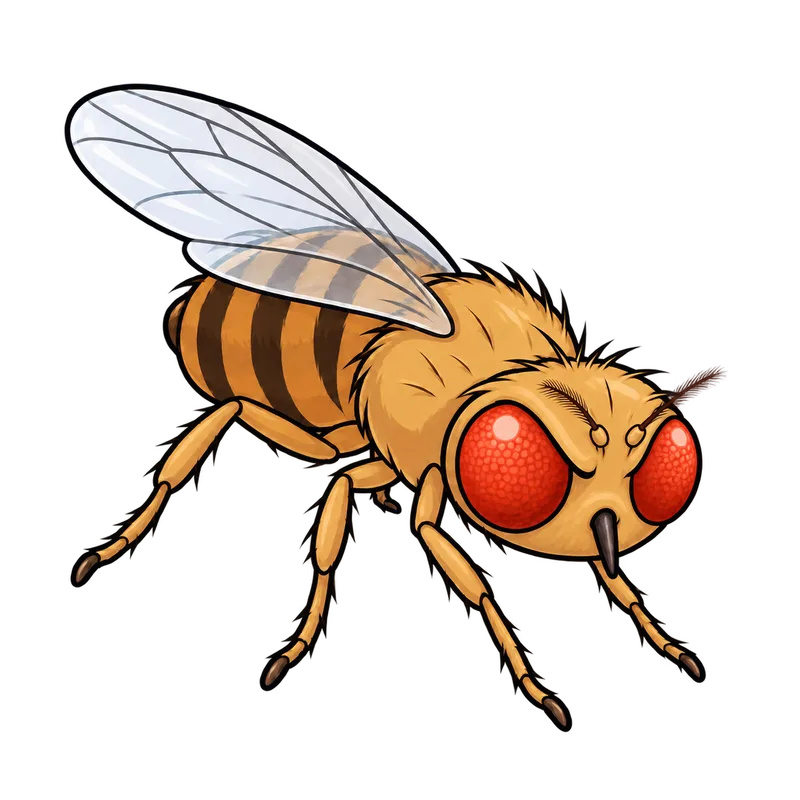
An apple maggot quarantine area matters to home growers because transporting uninspected homegrown tree fruit across regional boundaries risks carrying the larvae into pristine commercial production zones. This protects a multi-million-dollar agricultural economy from a devastating insect where unmanaged backyard trees act as high-density reservoirs for these flies.
What is actually going on
Imagine you are packing up the car for a late summer road trip over the mountain pass, tossing a cooler filled with crisp apples picked straight from your backyard tree for the drive. Just as you start climbing the winding highway, a bright yellow road sign catches your eye, warning you that you are entering an apple maggot quarantine area and prohibiting the transport of homegrown tree fruit across the regional boundary. It feels like an overreaction at first glance, since you are just sharing a few humble apples with family a couple of counties away, but that roadside warning protects a multi-million-dollar agricultural economy from a devastating insect.
The pest in question is a native North American fruit fly that long ago shifted its attention from wild hawthorns to the domestic apples growing in our yards. Unmanaged backyard trees act as high-density reservoirs for these flies. In places where nobody sprays or cleans up dropped fruit, over ninety-five percent of the crop can end up infested. Adult flies easily flutter half a mile from an abandoned tree in a neighbor's yard straight into a commercial orchard. When well-meaning home growers pack buckets of uninspected homegrown fruit into their vehicles and drive across quarantine lines, they risk carrying the larvae directly into pristine commercial production zones.
A single breach can force commercial fruit growers to launch expensive, aggressive chemical spray programs or subject packhouses to punishing regulatory inspections. International export markets enforce zero-tolerance quarantine rules, meaning a localized slip-up in a residential garden can trigger severe trade restrictions for regional farmers. Quarantine boundaries matter because your backyard tree does not exist in a vacuum, and the fruit you harvest carries ecological and economic consequences that stretch far beyond your property line.
How to tell for sure
Before you start worrying about regulations or control methods, you need to know what you are looking at, because not every worm in an apple tells the same story. The adult apple maggot is a small fly measuring about a quarter of an inch long, sporting shiny black skin, striking red eyes, and transparent wings marked with a distinct F-shaped or zebra-striped dark band. If you look closely at the back of its thorax, right behind the head, you will usually spot a prominent, elevated white dot. Males have three white bands across their abdomen, while females carry four.
Do not confuse them with the snowberry maggot fly, which usually looks virtually identical to the naked eye. Telling those two apart requires a specialist with a microscope at a university extension office, so assume a suspect fly might be the real deal if you trap one near your fruit trees.
The damage inside the fruit offers another clear signature. Apple maggot larvae hatch from microscopic eggs laid just beneath the skin, starting out smaller than a sixteenth of an inch and growing up to three-eighths of an inch. They are completely legless, headless, cream-colored maggots equipped with dark mouth hooks. As they feed, they usually tunnel randomly through the apple pulp, leaving a winding, brown, decaying maze that turns the flesh soft.
This damage looks entirely different from what a codling moth leaves behind. Codling moth caterpillars are pinkish-white with a distinct brown head capsule and six clawlike legs, and they tunnel straight to the core of the fruit while pushing out dark, granular brown frass or excrement. If you slice open an apple and find a messy, brown labyrinth with no visible head or legs on the occupant, you are usually dealing with an apple maggot.
What usually comes next
Once you confirm you have apple maggots in your yard and live within a regulated zone, you face a practical choice about how to manage the trees without breaking the law or wasting your weekends on unproven home remedies. Skip the kitchen concoctions like dish soap or vinegar sprays, since unverified mixtures are never registered pesticides or effective solutions, and they can easily burn your tree foliage.
Instead, focus your efforts on integrated orchard hygiene and physical barriers. Start by picking up and destroying all dropped fruit at weekly intervals from early August through harvest. Never toss infested apples onto an open compost pile, because the larvae will usually crawl out, burrow into the underlying soil, pupate, and emerge as adult flies the following spring. Bagging individual fruit in small plastic bags shortly after petal fall offers a reliable physical shield against egg-laying females, though it takes patience.
If you want to monitor the pest population before deciding on further action, hang red sticky spheres or yellow sticky traps in the upper canopy by mid-June. The traps mimic the shape and color of a ripe apple, drawing the flies in. If your monitoring catches an average of one fly per unbaited trap each week, or five flies on a baited trap, you have reached the threshold where action is necessary.
Many growers use kaolin clay, a non-toxic mineral powder mixed with water and sprayed over the canopy to form a fine white barrier film. Think of it like dusting your apples in a layer of protective white flour or sunscreen. It does not poison the insect; it simply makes the fruit look and feel so strange to a searching female fly that she usually bypasses your tree entirely and looks elsewhere. If you opt for chemical controls because of heavy pest pressure, remember that the product label is the law. Any insecticide you choose must be explicitly registered for home fruit trees, and you must strictly follow the preharvest interval listed on the container to ensure the fruit remains safe to eat.
When to get help
There are moments when managing fruit flies steps out of the DIY zone and requires professional or regulatory intervention. If your backyard orchard sits immediately adjacent to a commercial fruit production block, or if you manage a large planting that requires restricted-use pesticides, you need to bring in a licensed commercial applicator who can meet mandatory state recordkeeping and worker protection standards.
If you suspect you have found an apple maggot infestation in a county that is currently designated as a protected pest-free zone, do not try to handle it quietly. Report the finding immediately to your state department of agriculture or local university extension office so agricultural authorities can track and contain the spread.
Watch out for wildlife complications around your orchard perimeter as well. Nuisance animals like deer or rabbits are governed by strict state game laws, and you cannot legally trap and relocate a wild animal off your property without a specific state nuisance permit. If you ever experience a situation involving a bite or potential rabies contact from a wild mammal visiting your yard, skip the garden advice entirely and contact your local public health authority, an urgent care clinic, or animal control right away.