
What are tiny silver bugs in houseplant soil?
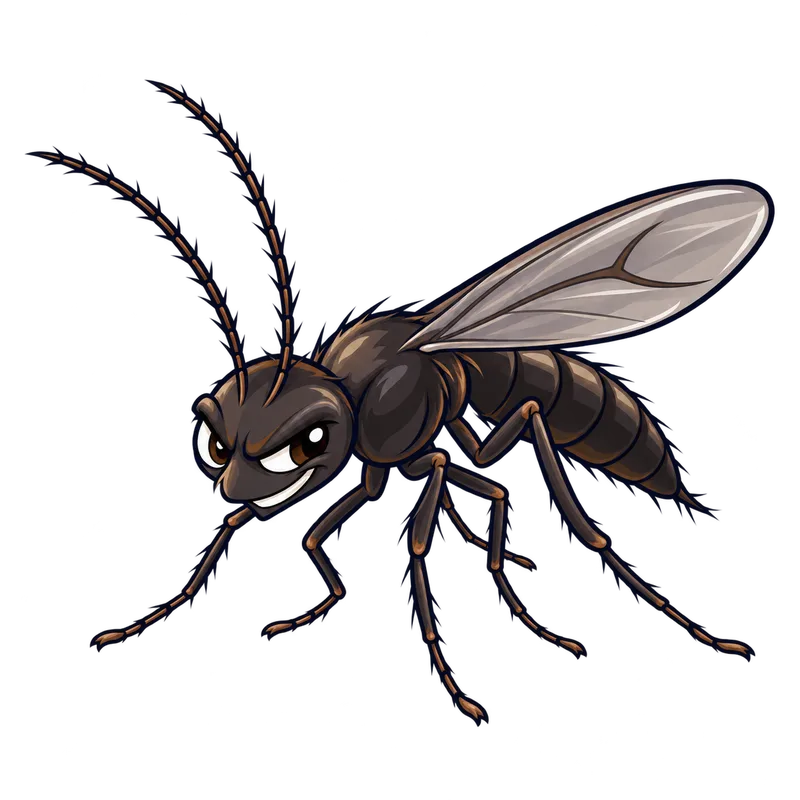
Tiny silver bugs scrambling in houseplant soil are usually harmless springtails or young fungus gnat larvae that feed on decaying organic matter and mold in damp peat. Whether they are safe cleanup crew members or actual pests depends on their behavior, such as whether they leap into the air or crawl around the potting mix.
What is actually going on
You walk over to water your favorite parlor palm on a Tuesday morning, tip the watering can, and suddenly notice dozens of microscopic silver specks scrambling across the potting mix. Naturally, your first instinct is to wonder if your houseplant is about to be eaten alive by an army of tiny invaders. Fortunately, most of the time, those tiny silver bugs scurrying in your houseplant soil are harmless springtails or young fungus gnat larvae just going about their day in the damp peat. They are usually not out to destroy your plant roots at all.
Think of springtails as a miniature soil cleanup crew. They are tiny, wingless creatures that feed strictly on decaying organic matter, algae, and microscopic mold in the potting mix, acting like a tiny indoor recycling crew working in the dark. If you see them, it usually means your potting substrate has plenty of moisture and organic debris to keep them fed. While fungus gnat larvae can sometimes nibble on tender root hairs if their population gets completely out of hand, springtails and saprophytic soil mites are completely harmless detritivores. They do not have the mouthparts to damage healthy plant tissue, which means your plant is usually in far less danger than it might look.
How to tell for sure
Identification always comes before treatment, because spraying random chemicals at a harmless bug is a waste of time and money. When you spot those tiny silver specks, you can usually figure out what you are looking at by watching how they move or taking a closer look with a basic magnifying glass.
First, give the side of the pot a gentle tap and watch the soil surface. If the tiny bug instantly snaps or jumps several inches into the air, you are almost certainly looking at a springtail. They have a specialized jumping organ tucked under their belly that acts like a tiny spring-loaded catapult, which is a dead giveaway.
If the creatures do not jump, look closer for a wriggling, translucent, worm-like body in the top inch of the soil. Fungus gnat larvae are legless and usually feature a shiny black head capsule. If you see slender, pale, wingless insects crawling near the stem or lower leaves without jumping, you might be dealing with thrips nymphs that have dropped down from the foliage. For a definitive check, grab a jeweler's loupe or a simple hand lens magnifying things 10x to 30x to count legs and check for wings before you decide what to do next.
What usually comes next
Once you figure out if you are dealing with harmless cleanup crew bugs or actual plant pests, your best move is usually changing how you care for the plant instead of running for a spray bottle. The single most effective fix for an indoor soil bug surge is simply letting the potting mix dry out properly. Overwatering and heavy organic decay create a miniature swamp in your container, so allowing the top 1 to 2 inches of the potting mix to dry out completely between waterings starves out fungi and destroys soft-bodied larvae.
You can also add a physical barrier to stop adult pests from laying eggs in the first place. Spreading a 1 to 2 cm layer of coarse sand, perlite, or fine horticultural grit across the top of the soil creates a dry mineral shield that keeps incoming bugs away from the moist nursery below. If you do decide to treat the soil, remember that household dish soap is not the same thing as commercial insecticidal soap. Dish liquid contains harsh synthetic degreasers that can strip protective leaf waxes and burn your plant, whereas true insecticidal soaps use potassium salts of fatty acids safely. Similarly, if you plan to use diatomaceous earth, keep in mind that it only works through physical desiccation and becomes completely useless the moment it absorbs moisture from wet soil.
When to get help
There are times when a houseplant pest issue goes beyond a simple do-it-yourself fix, and knowing when to hand things over to a professional is important. If your houseplants show signs of severe root rot, such as systemic wilt, black mushy stems, or foul-smelling soil, you are dealing with a much bigger pathogen problem that might require a complete repotting or discarding the plant altogether.
On the health and safety front, keep in mind that common soil-dwelling insects like springtails and fungus gnats do not bite or parasitize humans or pets. If you or someone in your household develops unexplained skin lesions or a rash, never try to diagnose the issue as an insect bite from your houseplants, and instead consult a qualified clinician or poison control center right away.
If you are treating your plants with any commercial product, always treat the product label as a legally binding document. Never invent custom chemical mixtures or concentration rates, and make sure any indoor pesticide application explicitly lists houseplants on the container label. For commercial greenhouses, agricultural spaces, or suspected quarantine pests that fall under strict biosecurity rules, report the finding to your local agricultural extension service or the appropriate national plant health agency.