
When is a pest problem also a plumbing or moisture problem?
An indoor pest infestation becomes a plumbing or moisture problem the moment the target species depends on water, condensation, pipe leaks, or drain pipe sludge to survive. Common visitors like booklice, mold mites, drain flies, and silverfish serve as biological indicators of hidden dampness. The answer depends on finding species that thrive in high humidity or organic pipe slime.
What is actually going on
Imagine walking into the downstairs half-bath on a humid Tuesday morning and noticing a tiny, pale speck scurrying across the windowsill. You lean in close, tap the glass, and realize the windowsill is dotted with dozens of them. Naturally, you might wonder if you forgot to throw out an old bag of flour, or if something crawled in through an open screen. But when tiny insects or mites suddenly appear out of nowhere, they are rarely just visiting. They are usually answering an invitation written in moisture.
An indoor pest infestation crosses the line into a plumbing or moisture problem the moment the target species depends on water, condensation, pipe leaks, or the slimy organic sludge inside drain pipes to survive. A surprising number of common household visitors, including booklice, mold mites, drain flies, and silverfish, are biological indicators of hidden dampness. They do not arrive because your house is dirty. They show up because a part of your home is wet, poorly ventilated, or holding onto humidity in a way that allows microscopic fungi to thrive.
Take booklice, for instance. These soft-bodied little bugs do not feed on dry synthetic materials or sound book pages. They graze on the microscopic molds and fungal spores growing on damp wallpaper, drywall, cardboard, or glue. When a concealed water pipe leaks inside a wall void, or when condensation builds up on a cold water line, the relative humidity in that tiny pocket climbs. Fungi germinate, and the booklice move in. Until you stop the leak and dry out the wood framing, spraying surface insecticides is about as effective as putting a bucket under a gushing ceiling leak while leaving the faucet running.
How to tell for sure
Figuring out whether your pest problem is actually a plumbing or moisture issue usually comes down to looking at the species and checking the environment. A small pale insect with a broad head is usually a booklouse, which generally thrives when indoor relative humidity sits above seventy percent. If you look closely with a magnifying glass and see a tiny arachnid that looks like a translucent moving speck, you are usually dealing with mold mites or grain mites, which need high humidity or damp stored grain to multiply.
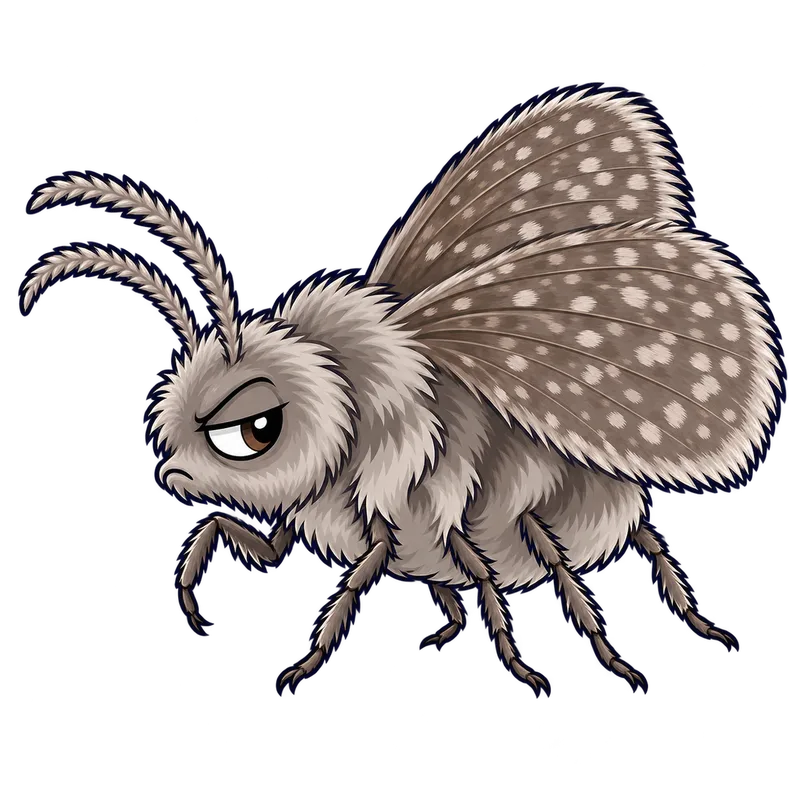
If you notice small, fuzzy, moth-like flies resting on the bathroom wall near the sink, you are usually looking at drain flies. They do not breed in clean standing water or dry cracks. Their larvae grow inside the gelatinous organic slime, grease, and hair that lines the interior of slow or infrequently flushed plumbing traps. To confirm a drain source, you can usually run a simple overnight test by placing a piece of clear packing tape sticky-side down over the drain opening before you go to bed. If adult flies are trapped on the underside of the tape by morning, your plumbing pipe is acting as an active nursery.
For silverfish, the clues are usually physical and structural. These carrot-shaped, silvery insects usually show up in cool, damp basements, around sweating pipes, or in newly built houses where the plaster and drywall are still releasing moisture into the framing. Conversely, if you spot a similar insect near a hot boiler room or steam pipe insulation, it is usually a firebrat, which prefers much hotter, humid spaces.
What usually comes next
Once you realize your unwanted guests are basically renting space based on dampness, your main practical choice is to fix the environment instead of just chasing the bugs. Spraying these insects with chemical cans is mostly a waste of effort if the water source keeps feeding them.
For booklice, mold mites, and silverfish, the smartest move is to drop the indoor relative humidity below fifty percent and keep it there using dehumidifiers and steady air conditioning. Maintaining that drier air takes away the moisture mold needs to sprout, which starves out the insects grazing on it. Lowering humidity levels while keeping rooms comfortable naturally pushes these pests out as their wet hiding spots dry up.
For drain flies, dumping ordinary bleach down the drain usually goes nowhere because the liquid just slides over the slimy buildup without breaking it down. The real fix demands some elbow grease. You generally have to scrub the inside of the pipes with a stiff wire brush to tear up that organic gunk, then follow up with specialized enzyme treatments over several days. At the same time, patch up any leaky supply pipes, sweating lines, or damp traps. If you keep dry goods like flour and cereal in cardboard boxes, move them into airtight plastic bins so wandering pantry pests cannot exploit the humidity.
When to get help
There are moments when a moisture-driven pest problem gets too big for a simple weekend fix and you need to call in an expert.
Reach out to a licensed plumber if your drain flies refuse to leave even after you have scrubbed the pipes and used enzyme cleaners on every sink in the house. That kind of stubborn presence often points to a cracked sewer line, a broken drain trap seal, or a hidden leak behind a finished wall where you cannot see it.
You should bring in a licensed pest control professional when infestations show up in commercial food storage spaces, multi-family wall voids that need specialized dust treatments, or heavy beetle outbreaks that demand professional equipment.
Finally, if you or anyone in your home starts dealing with skin irritation, breathing trouble, or allergic reactions from handling dusty grain or living in a damp, moldy room, talk to a doctor, urgent care clinic, or your local poison control center right away.