
What does an apple maggot fly look like?
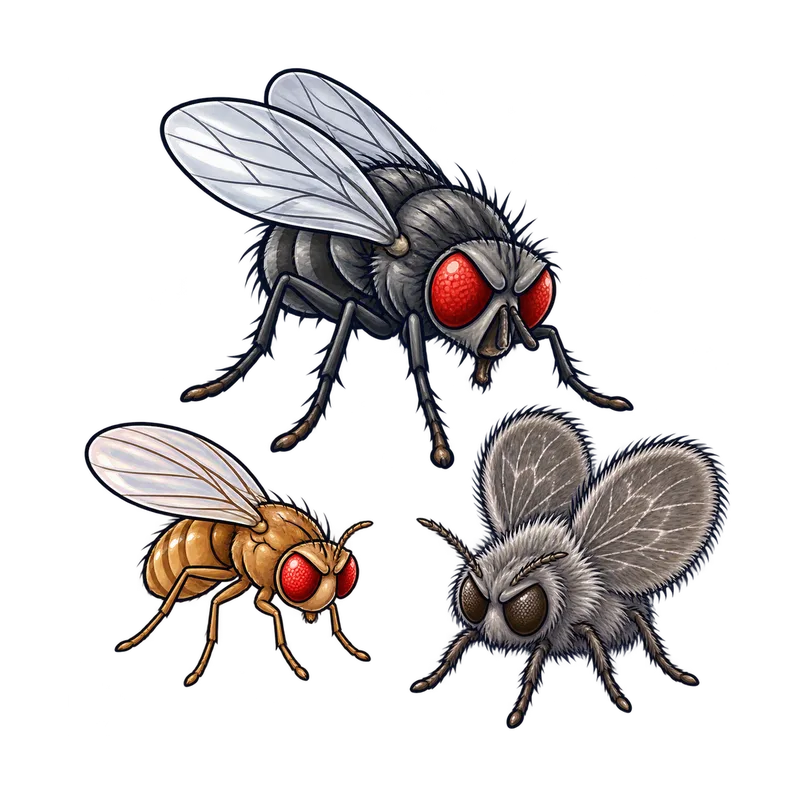
The adult apple maggot fly is a small insect measuring about one quarter of an inch long, featuring dark red eyes and a shiny black body with a distinct white spot on the rear of its thorax. Its transparent wings are marked by a prominent pattern of dark black bands that often form a zigzag shape.
What is actually going on
Picture yourself standing in the backyard on a warm late July afternoon, biting into a crisp apple pulled straight from your favorite tree. Instead of a pleasant snack, you notice a network of brown, mushy tunnels winding through the white flesh, and maybe a small, pale worm wriggling near the core. You are likely dealing with the apple maggot fly, a notorious pest that ruins homegrown harvests across North America. To answer the title directly, the adult apple maggot fly is a small insect measuring about one quarter of an inch long, featuring dark red eyes, a shiny black body with a distinct white spot right on the rear of its thorax, and transparent wings marked by a prominent pattern of dark black bands that often form an F or zigzag shape.
While it belongs to the broader family of true fruit flies, it looks nothing like the tiny vinegar flies hovering over your kitchen fruit bowl. It is roughly a quarter the size of a standard housefly, sporting a sleek black silhouette and striking patterned wings that make it instantly recognizable once you know what to look for. The males usually display three white horizontal bands across their abdomen, while the females carry four white bands along with a pointed egg-laying structure at the rear.
This pest spends the winter months buried one to two inches deep in the soil beneath your fruit trees, resting as a smooth, oval pupa that resembles a heavy grain of wheat. When summer arrives, typically starting in late June and peaking through July and August, these pupae transform into adult flies that emerge from the ground. Before they lay any eggs, these adults spend their first week or so feeding on natural sweets like insect honeydew and extrafloral plant nectaries to mature their reproductive systems.
Once ready, the mated females use a sharp, needle-like organ to pierce the skin of developing apples and deposit their eggs just beneath the surface. These microscopic punctures often leave tiny, sunken dimples on the fruit as it grows. Within a few days, those eggs hatch into creamy white maggots that tunnel randomly through the pulp, feeding for several weeks until the fruit softens prematurely and drops to the ground. Once the apple hits the dirt, the mature larvae chew an exit hole, burrow into the soil, and wait out the winter to start the cycle all over again.
How to tell for sure
Spotting the adult fly usually requires hanging sticky monitoring traps in your trees by late June, since the insects are small enough to blend into the foliage. You can identify them by checking for a combination of specific physical markers. Look for that shiny black body, the bright ruby-red eyes, and most importantly, the bold black bands slashing across otherwise clear wings. If you pick up a specimen under gentle magnification, check the rear of the middle body section for a single, unmistakable white spot, and count the white stripes across the belly to tell males from females.
When people find fruit damage, they usually confuse the apple maggot with the codling moth, which is another major orchard pest. Telling them apart is usually straightforward if you look closely at the larva inside the fruit. If the creature crawling out of your apple flesh has a distinct dark head capsule and six tiny legs, it is a codling moth caterpillar that likes to bore straight to the center to seed. If the creature is a smooth, cream-colored, legless, and headless maggot that leaves random, squiggly brown trails through the pulp, you are usually looking at an apple maggot.
You should also keep in mind that traps will catch plenty of harmless insects, so never rely on a quick glance at a crowded sticky card. Verify the wing pattern and the white thoracic spot before deciding you have an infestation.
What usually comes next
Once you confirm that apple maggot flies are active in your trees, you need to make a practical choice about protecting your harvest, usually balancing cultural controls against chemical treatments. If you only have a few backyard trees, physical fruit bagging offers a reliable way to keep the pests away without spraying chemicals. You can slip small plastic or paper bags over individual developing apples in early summer, securing them around the stem and cutting a tiny drainage slit in the corner.
Sanitation is another core step that you cannot skip. You should collect and destroy dropped apples every two to three days throughout the summer and autumn. Never toss infested fruit into a standard backyard compost pile, because the maggots will successfully crawl out, enter the underlying soil, and emerge as adult flies next season. Bag up the damaged fruit tightly and dispose of it in the trash.
If you prefer barriers over picking up drops, coating the fruit and foliage with refined kaolin clay starting in late June creates a film that deters flies from laying eggs, though you will need to reapply it after heavy rains wash it away. For growers dealing with heavier pest pressure, hanging red sticky sphere traps mimicking ripe fruit or yellow panels mimicking leaves can help intercept incoming flies, usually at a rate of one or two traps per small tree. When using insecticide sprays, timing is everything. Applications must target adult flies during their short window before they lay eggs, usually prompted by capturing the first adult on a monitoring trap. Always read and follow every instruction on the product label, paying strict attention to pre-harvest intervals and local guidelines.
When to get help
There are times when managing this pest moves beyond standard backyard care and requires outside intervention. If you live in a region where strict agricultural quarantines are enforced, such as parts of the western United States or Canada, transporting homegrown apples or fresh host fruit across county or state lines is often illegal under local statutes designed to protect commercial orchards from new infestations. Moving backyard fruit across these boundaries risks spreading the pest into pest-free production valleys.
If you find suspected apple maggot flies or unusual flesh-tunneling damage in a county or region where this species has not been officially confirmed by local authorities, you should secure a sample in a sealed container and deliver it to your local university extension office or department of agriculture for professional diagnostic verification. Additionally, if your property sits immediately adjacent to a commercial orchard, unmanaged backyard host trees can pose a threat to your neighbors, making professional removal or strict management a community obligation.