
What are little bugs on strawberries?
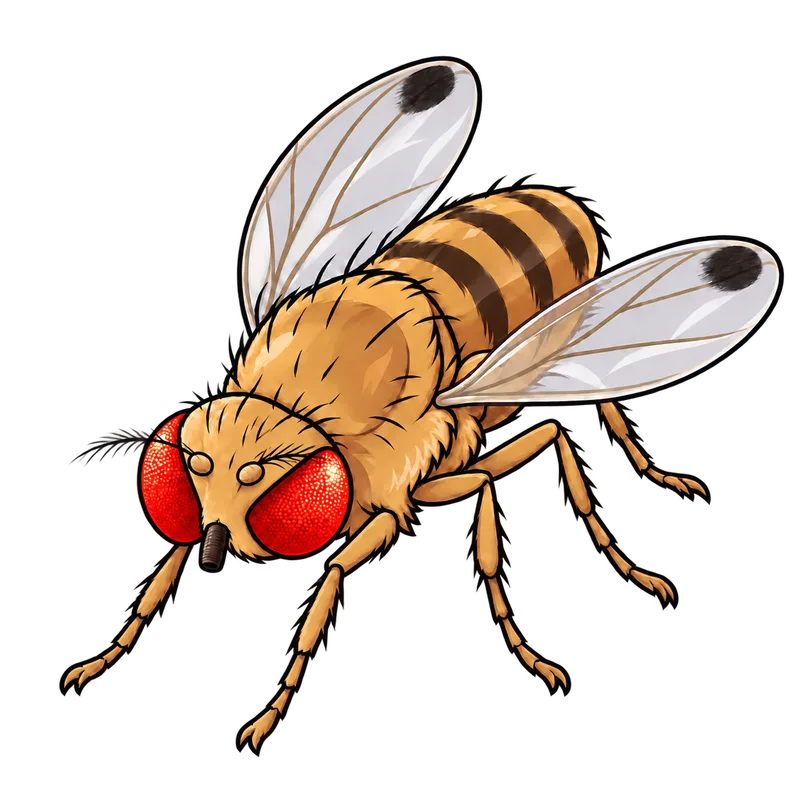
Little bugs on strawberries are sap-feeding aphids, microscopic mites, invasive fruit fly larvae, or flower-clipping weevils. Which specific pest is present depends on the location and the kind of damage found on the leaves, blossoms, or ripening fruit.
What is actually going on
You walk out to the garden patch with your morning coffee, ready to check on those red berries you have been watching for a week. You pick a beauty, turn it over, and notice tiny creatures scrambling across the fruit or trailing fine webs beneath the leaves. It is a startling moment, especially when you realize your harvest is doubling as a neighborhood diner for various insects and spiders.
The phrase little bugs on strawberries is a loose umbrella term that covers quite a few different organisms. Depending on what you are looking at, those tiny visitors could be sap-feeding aphids, microscopic mites that leave leaves looking bronze, invasive fruit fly larvae boring into ripe flesh, or flower-clipping weevils. Each of these pests belongs to a different biological family, meaning they eat, reproduce, and damage plants in entirely separate ways.
Pinning down the culprit usually comes down to location and the specific kind of damage left behind. Some tiny pests cluster on new leaf growth and secrete a sticky honeydew that draws black mold. Others target the blossoms or feed directly on developing fruit, turning a plump berry into a misshapen, woody lump. Grouping them all together as general garden bugs makes it tough to deal with them effectively, because a treatment that stops an aphid will completely miss a tiny mite tucked away in the plant crown.
How to tell for sure
If you want to know what you are dealing with, you usually need to look past the naked eye and grab a hand lens for magnification. Two-spotted spider mites, for instance, are tiny arachnids measuring less than a millimeter across, and you will usually spot them by the fine silken webbing on the undersides of leaves and a pale yellow stippling on the top surface. Cyclamen mites are even smaller, staying completely hidden deep within the central crown crevices and folded unexpanding leaves where you cannot see them without magnification.
When you notice a fruit fly hovering around ripening berries, it is usually the spotted wing drosophila. Unlike common native fruit flies that only bother overripe or rotting produce, the females of this species carry a saw-like egg-laying organ that slices straight into firm, ripe fruit. If your berries are developing soft, sunken spots with tiny white larvae crawling inside, you are usually looking at the aftermath of that invasive pest.
For the critters walking around the foliage and blossoms, take a closer look at their shape and behavior. Aphids are pear-shaped, soft-bodied, and usually cluster on leaf stems. Tarnished plant bugs are larger, measuring about a quarter of an inch, and leave behind a characteristic V-mark on their backs while turning your berries into hard, pointy buttons. Strawberry bud weevils, often called clippers, announce themselves by puncturing unopened flower buds and nipping the stems so the buds hang by a thread or drop straight to the dirt.
What usually comes next
Once you have identified the pest using magnification and some patience, your next move is usually to match a low-impact treatment to that specific organism while respecting the harvest clock. If you are dealing with soft-bodied pests like aphids or spider mites on the leaves, you can usually apply an insecticidal soap that disrupts cell membranes through direct contact. For invasive fruit flies or thrips on the fruit, a spinosad spray is often the standard choice.
The most important choice you will make at this stage involves timing, specifically around your picking schedule and local pollinators. If your berries are ready to eat, you must check the pre-harvest interval, which is the legally mandated waiting period between spraying and picking. Contact soaps and certain organic options usually carry a zero-day or one-day wait, while synthetic products require longer. Never spray anything while the flowers are wide open during the day, because even gentle organic treatments can harm visiting honeybees if the spray is still wet when they arrive.
When to get help
There are times when a backyard strawberry patch runs into trouble that goes beyond a casual weekend fix. If you ever experience unusual skin reactions, rashes, or suspected allergic symptoms after handling garden pests or chemicals, stop what you are doing and consult a licensed physician, an urgent care clinic, or your regional poison control center immediately. Never try to diagnose a bite or a skin mark from a general description or a photograph.
Commercial growers or anyone dealing with severe infestations of regulated quarantine pests should bring in a licensed professional or contact a local agricultural extension office. If you suspect an exotic biosecurity threat that is not native to your region, local plant protection authorities need to know right away so they can contain the spread before it impacts commercial agriculture.