
What are tiny black bugs in a sink?
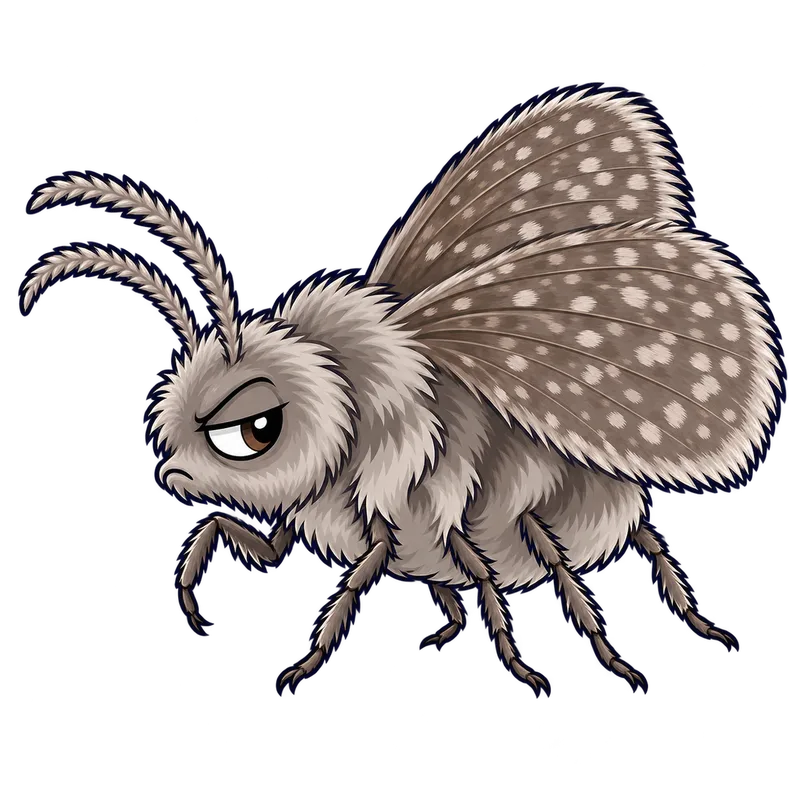
Tiny black bugs in a sink are usually drain flies breeding in the pipe, moisture-loving booklice feeding on mold around the faucet seal, or wandering crawling insects like carpet beetle larvae that accidentally tumbled into the slippery basin. Identifying the exact pest depends on whether they look like fuzzy moths measuring 1.5 to 5 mm long or bristly crawlers.
What is actually going on
You walk into the kitchen early in the morning, half-awake, reaching for the faucet to fill your glass, and notice tiny dark specks milling about the porcelain basin. You might even spot a few moth-like bugs fluttering weakly against the stainless steel walls. It is a startling little surprise, and your first thought is usually wondering what on earth crawled up through the plumbing overnight.
As it turns out, those tiny black bugs in a sink usually fall into one of a few distinct categories, and they rarely come from the municipal sewer lines miles away. Most of the time, you are looking at drain flies breeding right inside your plumbing, moisture-loving booklice feeding on microscopic mold around the faucet seal, or wandering crawling insects like carpet beetle larvae that accidentally tumbled into the slippery basin and could not climb back out.
The sink environment offers a few specific microhabitats that attract these critters. The interior of the drain pipe collects hair, soap scum, and grease, creating a slimy, water-resistant organic matrix called a biofilm. Drain fly larvae live embedded safely inside this gunk. Meanwhile, damp perimeter sealant or tiny micro-leaks around the sink rim foster invisible mold growth, which acts as an all-you-can-eat buffet for soft-bodied pests like mold mites and booklice.
Then you have the wandering pests. A carpet beetle larva or a pantry beetle might be crawling across your kitchen counter in search of lint or food crumbs, crosses the edge of the sink, and tumbles in. Think of the porcelain basin as a smooth playground slide coated in ice. Once the insect steps over the polished edge, its tiny feet cannot gain any traction, leaving it trapped at the bottom. That mechanical pitfall trap makes the sink look like an active bug generator when the pest actually arrived from somewhere else entirely.
How to tell for sure
Figuring out what you are dealing with usually comes down to a simple identification process. If the bugs look like tiny, fuzzy moths with broad, leaf-shaped wings and rest near the drain, you are almost certainly looking at drain flies. They usually measure between 1.5 and 5 mm long. On the other hand, if you see microscopic, translucent white specks or tiny pale tan insects moving slowly near the faucet grout, those are typically mold mites or booklice. They lack wings and need high relative humidity to survive, usually above 50 percent.
If the creature is a bit larger, say 3 to 6 mm, and looks like a bristly, carrot-shaped crawler, you have likely caught a carpet beetle larva, often called a woolly bear. These insects leave behind tiny shed skins that look like hollow, hairy husks.
You can confirm an active drain breeding site overnight by using the clear-tape test. Place a strip of clear adhesive tape sticky-side down across the sink drain opening before you go to bed, leaving small gaps at the edges for airflow. If adult drain flies try to emerge from the pipe during the night, they will stick to the tape. If the tape catches nothing, your problem is usually coming from surface moisture around the sink or wandering insects falling in from the outside environment.
What usually comes next
Once you figure out what you are looking at, your next practical decision depends entirely on where the pests are coming from. If the clear-tape test confirms drain flies, forget about pouring chlorine bleach down the pipe. Bleach acts like water sliding off a heavy rubber raincoat, bouncing right off the water-resistant biofilm without harming the larvae hiding underneath. Instead, you need mechanical removal. Take a stiff wire drain brush, insert it into the pipe below the drain opening, and scrub the interior walls to physically break up the sludge. Follow that up with an enzymatic or microbial drain cleaner for a few nights to digest any leftover organic residue.
If your problem is booklice or mold mites, you are dealing with a humidity issue. Install a dehumidifier, run the exhaust fan, or fix any plumbing leaks under the basin to drop the indoor relative humidity below 50 percent. Keeping humidity that low for about 16 days causes complete mortality across all life stages of these moisture pests.
For wandering crawling insects like carpet beetle larvae, the solution is straightforward sanitation. Vacuum the sink basin, nearby counters, baseboards, and floor cracks thoroughly to remove hair, lint, and dust accumulations, and make sure to empty the vacuum bag outside immediately.
When to get help
While most sink pests are harmless nuisances that do not bite or transmit diseases, certain situations require outside assistance. If you have scrubbed your drain thoroughly with a brush and used enzymatic cleaners for a couple of weeks, but the drain flies keep coming back, you might have a hidden structural plumbing failure, such as a cracked pipe or a broken seal inside a wall void. In that case, a licensed plumber should inspect the drainage system.
Call a professional pest management company if crawling insects like carpet beetles have established widespread populations within your floor structures, wall voids, or fabric storage areas. If anyone in your household experiences skin irritation, rashes, or severe respiratory allergies, remember that these sink pests do not bite humans, and you should consult a clinician or an urgent care facility for a proper medical diagnosis. If you ever decide to use commercial pesticide products, always follow the product label instructions precisely, and contact poison control immediately in the event of an accidental exposure.