
Why are fruit flies gathering around a kitchen sink?
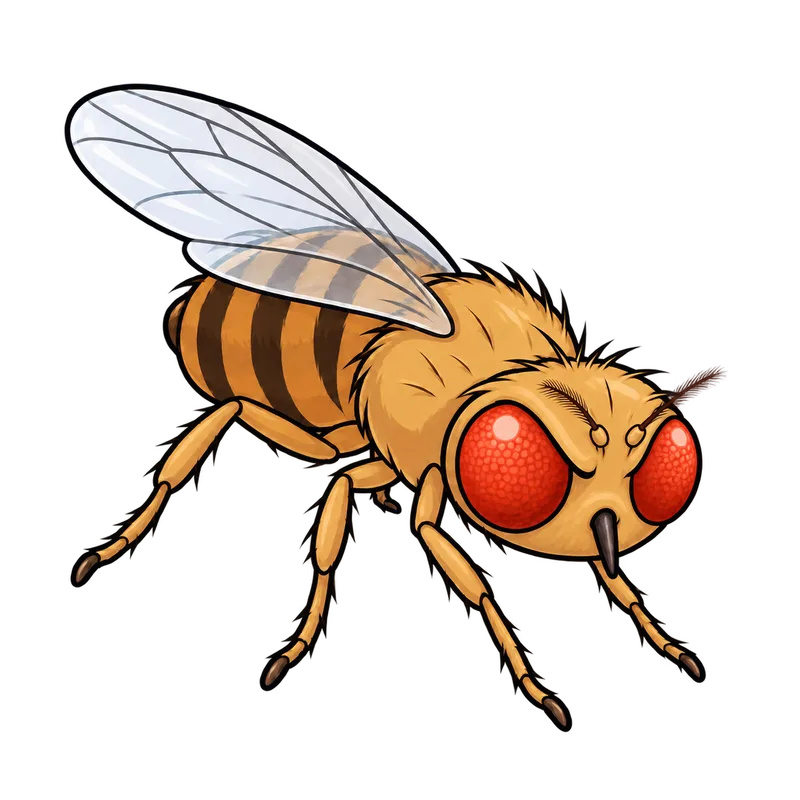
Fruit flies gather around a kitchen sink because they are drawn to volatile organic compounds given off by fermenting sugars, decaying produce, and moist microbial slime clinging to the plumbing. True fruit flies measure about one sixteenth to one eighth of an inch long, and they target unrinsed recycling, sweet liquids, and neglected drains.
What is actually going on
You walk into the kitchen on a quiet Tuesday morning, reach for the faucet to fill the kettle, and notice a small cloud of tiny winged pests hovering right above the stainless steel basin. It is an irritating sight, especially when your counters are clean and the trash was emptied just last night. You might wonder how they managed to find your kitchen at all. When small flies gather around a kitchen sink, they are rarely there by coincidence. They are drawn to specific sensory cues, namely the volatile organic compounds given off by fermenting sugars, decaying produce, and the moist microbial slime clinging to the inside of your plumbing.
Homeowners usually assume that every gnat-sized insect in the kitchen is a true fruit fly, but an aggregation around a sink often involves a mix of distinct species families. True fruit flies target unrinsed recycling, spilled sweet liquids, and neglected drains. Phorid flies thrive in the thick and nutrient-rich organic sludge lining garbage disposal units, grease traps, and leaking pipes hidden inside the cabinet below. Drain flies breed directly inside the gelatinous microbial film that coats the interior walls of drainpipes. Each family exploits a unique microhabitat niche created by the sink assembly, and they feed on the yeast and organic scum while depositing eggs to keep their life cycle going.
How to tell for sure
Telling these small pests apart usually requires looking closely at how they move and what they look like, rather than just guessing based on their size. Common fruit flies measure about one sixteenth to one eighth of an inch long, usually featuring a tan to yellowish brown body, bright red eyes, and a graceful hovering flight near fruit bowls or recycling bins. Phorid flies are roughly the same size, but they usually have a distinct humpbacked profile, dark non red eyes, and a habit of running in short, jerky bursts across countertops instead of taking flight immediately. Drain flies look like tiny, fuzzy moths with leaf shaped hairy wings held in a roof like shape over their bodies, and their flight is typically weak. Fungus gnats have slender, mosquito like bodies with long, thin legs, and they usually hover near potted houseplants sitting on the windowsill rather than the sink itself.
If you want to confirm whether the flies are actually breeding inside your drain rather than just visiting from elsewhere, you can perform a simple test at night. Thoroughly dry the sink basin and the drain opening, then place a strip of clear packing tape across the drain opening with the sticky side facing down, leaving small gaps at the edges for airflow. Inspect the tape the following morning. Finding adult flies trapped on the adhesive confirms that the plumbing line holds an active breeding infestation.
What usually comes next
Clearing those pests out of your kitchen comes down to finding and cleaning out the exact muck where they lay their eggs, rather than wasting time with bug spray on the countertops. Aerosol foggers only knock down the adults you can see while leaving the hidden nursery completely untouched. If the problem is just an overripe banana sitting at the bottom of the fruit basket, a simple cleanup will solve it.
When the breeding ground is hiding inside the plumbing, dumping bleach or harsh chemical drain openers down the sink usually does not work because the liquid flows straight down the center too fast to cut through the thick, slimy film clinging to the pipe walls. You actually have to scrub that gunk out by hand using a long, stiff-bristled pipe brush pushed right down into the trap assembly, and then flush it with hot water. Alternatively, you can use specialized enzymatic or microbial drain cleaners packed with bacteria that slowly eat away at the fats and proteins. For the adults already buzzing around the room, a small bowl of apple cider vinegar mixed with a couple of drops of dish soap catches them nicely, because the soap breaks the surface tension and makes them sink.
When to get help
Most sink fly problems clear up once you scrub the plumbing and take away whatever they were breeding in, but some situations demand a professional. If the flies are still everywhere after two or three weeks of strict cleaning, or if large numbers of phorid flies or drain flies keep crawling out from cracks in the floor or holes in the walls, you might be dealing with a broken main sewer line or a collapsed pipe that needs a licensed plumber or pest control operator.
If anyone in your home experiences unexplained skin irritation, illness, or allergic reactions, do not try to guess what caused it, and instead reach out to a doctor or poison control center right away. While the flies hanging around your sink mostly just carry bacteria from dirty places to your clean cutting boards, any health worry is best handed over to a medical professional. Keep in mind that state and federal laws also require licensed pest control operators for any chemical applications in commercial kitchens, schools, daycare centers, and healthcare facilities.