
What causes a sudden house fly infestation indoors?
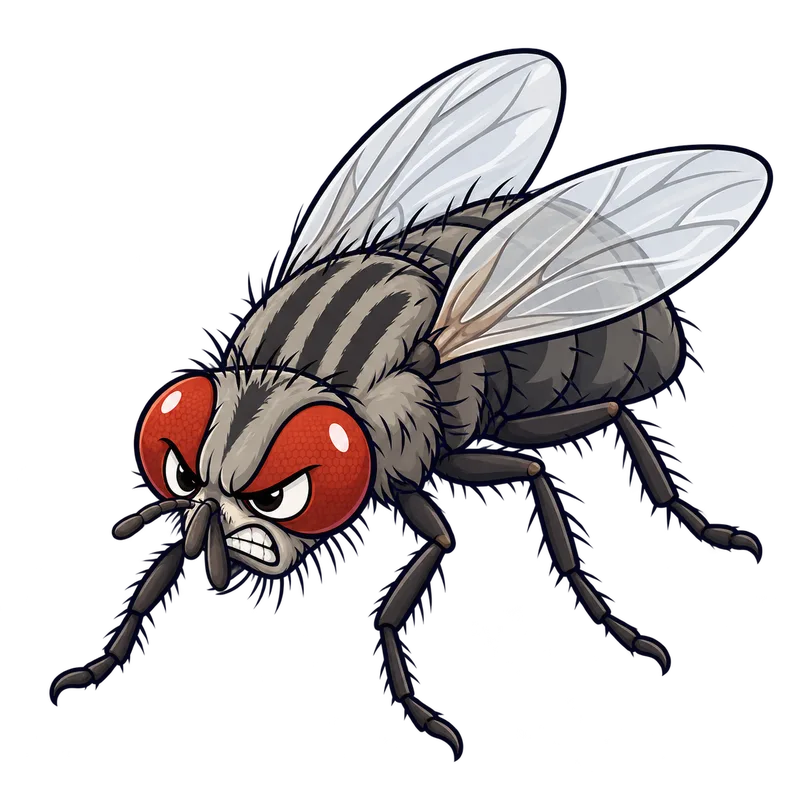
A sudden house fly infestation indoors usually results from outdoor breeding grounds combined with open entryways, early waking of hibernating cluster flies due to home heating, or a hidden dead animal in a wall void. When outdoor temperatures climb into the eighties, eggs laid in waste can develop into buzzing adults in just over a week.
What is actually going on
Picture walking into your living room on a quiet Tuesday afternoon and finding dozens of buzzing flies plastered against the front window, even though every door and window has stayed firmly shut all week. It is enough to make you wonder if they are somehow materializing out of thin air. A sudden indoor fly outbreak is rarely random, and it usually points to one of three distinct causes playing out behind the scenes.
The most common culprit during warm weather is a combination of open entryways and nearby breeding grounds. When outdoor temperatures climb into the eighties and nineties, house flies go through their life cycle at an astonishing speed. A single batch of eggs laid in outdoor garbage, pet waste, or damp compost can develop into buzzing adults in just over a week. Those new flies then wander indoors through open kitchen doors or tiny tears in window screens, hunting for food and shelter.
Another frequent explanation has nothing to do with filth at all, especially if the flies appeared during a sudden winter warm spell or a chilly autumn evening. Cluster flies and face flies spend the warmer months outdoors, but as day length shortens, they squeeze into attics and wall voids to hibernate. When home heating systems warm up those structural cavities, the sleeping flies wake up early, get disoriented, and wander out through recessed lights and baseboard gaps into your living spaces.
Finally, a sudden cloud of large, metallic blue or green flies often signals that an animal has died somewhere out of sight. When a mouse or a bird gets trapped in a wall void or chimney, blow flies and flesh flies find the carcass almost immediately. They lay eggs, the resulting maggots feed for a few days, and then dozens of adult flies emerge all at once into the room, creating an intense, overnight infestation that disappears only after the carcass has dried up completely.
How to tell for sure
Telling you to just look at a fly does not help much if you do not know what you are looking for. True house flies usually measure about a quarter of an inch long and feature four distinct dark stripes running down their gray backs, along with a sharp upward bend in their fourth wing vein. If you are seeing small, hairy insects with leaf-shaped wings resting on bathroom tiles like tiny moths, you usually are dealing with drain flies rather than filth flies.
When you find metallic blue or green insects buzzing loudly against windowpanes, you are usually looking at blow flies, which almost always point back to that hidden carcass somewhere in the structure. On the other hand, if you notice large, sluggish, dull gray insects that crawl rather than fly and give off a faint honey-like odor when disturbed, you usually have cluster flies that woke up prematurely from a winter hiding spot in your ceiling or walls.
It also helps to keep an eye on where they spend their time. Fruit flies and phorid flies usually hover closely around kitchen countertops, overripe produce, or uncleaned trash cans. If they are darting around in short, erratic jerks across the floor or running over surfaces before taking flight, they are usually phorid flies tracing organic scum back to a hidden leak or a dirty drain.
What usually comes next
Your most practical first move is to figure out whether your problem originates inside the building or outside. If the flies are true house flies or cluster flies, spraying every can of bug killer in the grocery store aisle will only knock down the adults currently in the room while ignoring how they got in or where they slept.
Instead of reaching for a chemical spray right away, take a walk around the exterior of your house to check your window screens, door seals, and attic vents. If you are dealing with small gnats around the sink, skip the boiling water or bleach and grab a stiff pipe brush to scrub the inside of the drainpipe physically, since chemical rinses simply slide right over the slimy organic film where those larvae live and feed.
When you suspect a dead animal in the wall is driving the outbreak, you generally have to wait out the cycle or open up the cavity, because surface treatments cannot reach the source. If the flies keep coming back week after week despite your best efforts with cleaning and sealing, the issue usually points to a deeper structural problem like a cracked sewer pipe under a concrete slab or an inaccessible nesting area that needs a systematic approach.
When to get help
There are moments when a do-it-yourself cleanup is no longer enough and you need to bring in outside support. If your kitchen drains or bathroom floors continually host swarms of phorid flies despite thorough cleaning, you might be dealing with a broken main sewer line or a cracked drain pipe beneath your concrete slab, which calls for a licensed plumber and a pest control professional to trace the underground leak.
You should also contact a professional wildlife control operator or your local wildlife agency if a blow fly emergence traces back to a dead animal trapped in a chimney or wall void that involves protected migratory birds or bats. Handling wildlife directly can violate local regulations, and trying to fog or spray closed wall voids packed with dormant cluster flies often leaves behind thousands of dead insects that quickly draw secondary pests like carpet beetles into your walls.
Finally, if anyone in your household experiences persistent health issues, suspected insect-borne infections, or severe allergic reactions from insect dust, consult a qualified healthcare clinician right away.