
Can a bite mark alone identify a black fly?
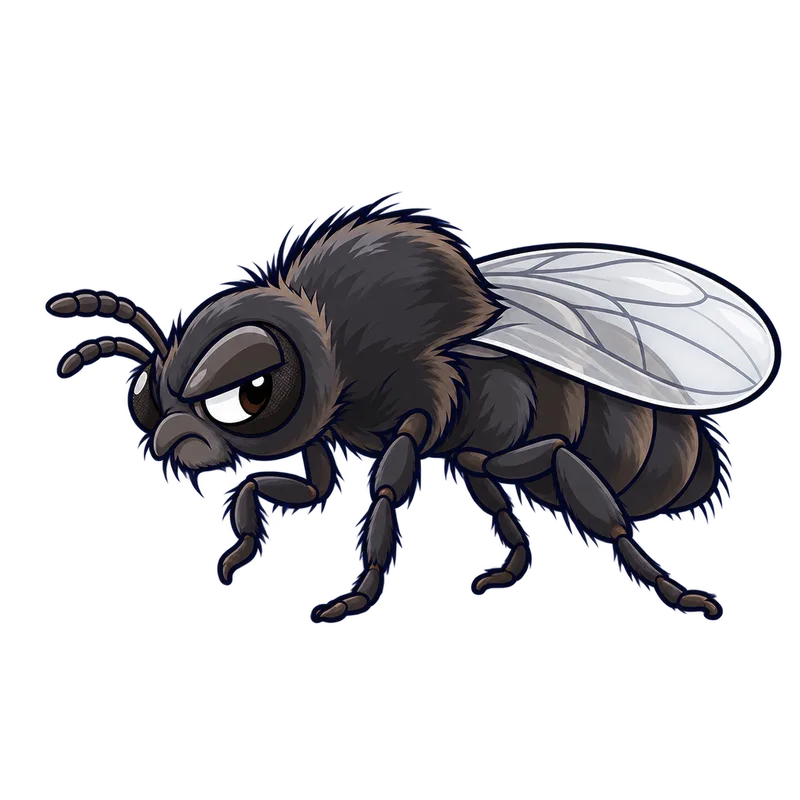
No, a bite mark or skin lesion alone can never identify a black fly because human immune responses vary widely and overlap completely across different pests. The only reliable method of identification is to examine the actual physical insect, which is typically two to six millimeters long with a dark, humpbacked body.
What is actually going on
Picture yourself walking along a shaded woodland path on a bright spring morning, enjoying the fresh air after a spell of rain. It is only later, perhaps while you are sitting down for lunch or driving home, that you notice a dull, throbbing itch on your ankle or the back of your neck. When you check the spot, you find a small, distinct red welt with a tiny speck of dried blood in the center. Naturally, you might wonder if that sudden mark came from a black fly. The short answer is no, a bite mark or skin lesion alone can never identify a black fly.
It is tempting to look at a swollen, itchy spot on your skin and try to reverse engineer the culprit, but your skin is simply reacting to a foreign protein. When a female black fly lands on you, she uses short, blade-like mouthparts to slash your skin and create a tiny pool of blood. While she feeds, she injects saliva containing anticoagulants and local anesthetics. Because of that natural numbing agent, you usually do not feel the bite happening.
The trouble is that black flies are far from the only creatures that feed this way. Biting midges, true sand flies, stable flies, deer flies, and mosquitoes all leave behind remarkably similar cutaneous evidence. More importantly, your body's immune system drives the actual appearance of the lesion through histamine release, not the insect itself. Two people can be bitten by the exact same insect, and one might develop a massive, fluid-filled welt while the other barely registers a pinprick. Because human immune responses vary so widely and overlap completely across different pests, looking at a wound or a photograph of a bite cannot provide a definitive diagnosis.
How to tell for sure
If the mark on your skin is not enough, how can you know what bit you? The only reliable method is to examine the actual physical insect using proper magnification, usually a ten times hand lens or a stereomicroscope. Without the insect in hand, you are usually left making an educated guess based on when and where the bite happened.
Black flies are typically small, measuring about two to six millimeters long, with a very stout, dark body and a distinctly arched, humped thorax that earns them the old country name of buffalo gnats. If you spotted a tiny, dark, humpbacked fly zooming around your head during broad daylight near a rushing stream or river, the circumstantial evidence points toward a black fly.
Unlike mosquitoes that prefer quiet, stagnant water in old tires or birdbaths, black fly larvae need clean, oxygen-rich, fast-flowing rivers to survive. They are strictly daytime biters, unlike mosquitoes or biting midges that usually peak at dawn and dusk. Biting midges, commonly called no-see-ums, are even smaller, usually measuring one to three millimeters, and they are notorious for slipping right through standard window screens that would easily block a black fly. Stable flies look remarkably like ordinary house flies but possess a rigid, forward-pointing mouthpart and tend to target ankles and lower legs.
What usually comes next
Once you accept that the bite mark will not tell you the whole story, your best move is to focus on comfort and practical prevention rather than chasing an impossible identification. Wash the bite area gently with mild soap and clean water to remove any surface debris and residual saliva. Applying a cool compress or an ice pack wrapped in a cloth for ten to fifteen minutes can do wonders for localized swelling. Try your best to resist scratching the itch, because breaking the delicate skin barrier opens the door for secondary bacterial infections.
When you head out into areas prone to biting pests during peak spring and early summer emergence periods, physical barriers remain your strongest defense. Wear light-colored, long-sleeved shirts and full-length trousers, and tuck your pant legs into your socks because these tiny biters love to crawl under loose clothing openings. EPA-registered insect repellents applied to exposed skin according to the manufacturer label directions can also keep them at bay, but remember that standard window screens will not stop microscopic biting midges the way they stop larger flies.
When to get help
Most insect bites heal on their own within a few days, but certain symptoms require prompt medical evaluation. Seek immediate attention from a clinician or urgent care facility if you experience signs of a severe allergic reaction or systemic involvement, such as difficulty breathing, wheezing, dizziness, rapid lightheadedness, or swelling of the lips, tongue, face, or throat.
You should also consult a healthcare provider if you notice signs of a secondary bacterial infection developing twenty-four to seventy-two hours after the bite. Watch for progressively spreading warmth, increasing redness, red streaks extending outward from the puncture site, pus, or a fever. When dealing with widespread outdoor infestations that require community-level stream treatments or professional property management, leave those large-scale control measures to licensed pesticide applicators and local vector control authorities.