
Fungus gnats vs fruit flies: how do houseplants change the answer?
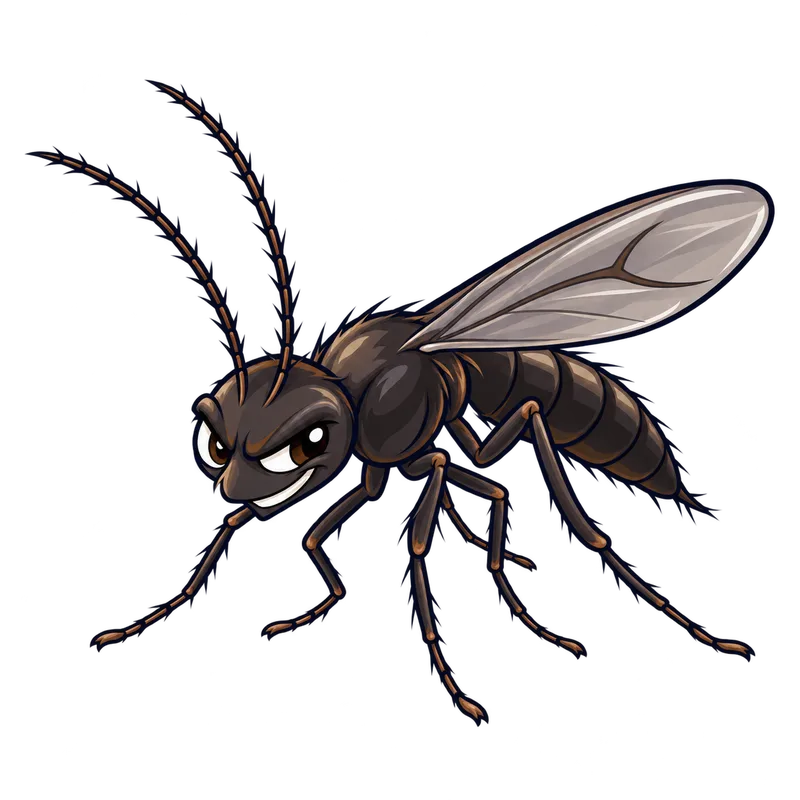
Houseplants change the answer because tiny indoor flies near greenery are almost certainly fungus gnats rather than fruit flies, since fungus gnats breed in damp potting soil instead of fermenting kitchen waste. Vinegar traps fail near houseplants because fungus gnats feed on soil fungi and organic matter, measuring one-sixteenth to one-eighth of an inch long.
What is actually going on
You walk into the living room, reach out to water the fiddle-leaf fig, and a small cloud of tiny bugs lifts off from the damp potting soil. Naturally, you grab a bowl, pour in some apple cider vinegar and a drop of dish soap, and set it right beside the plant. A few days go by, and the trap is completely empty, yet those little flies are still buzzing around your greenery. What gives?
Houseplants change the rules of the game entirely regarding small flying insects. If you do not have plants indoors, tiny flies usually point to an issue with kitchen waste or sink drains. But bringing pots of damp soil indoors introduces an entirely different ecosystem. The culprit hovering around your houseplants is almost certainly a fungus gnat, not a fruit fly.
Fungus gnats need damp potting mix rich in organic matter and fungal growth to complete their life cycle. Their larvae live in the top couple of inches of the soil, quietly munching on fungi, algae, and tender root hairs. Fruit flies, on the other hand, do not care about your houseplants at all. They require fermenting sugars, yeasts, and rotting fruit to breed. Setting a vinegar trap next to a fern is a bit like setting a bowl of cheese out to catch a mosquito. The flies near your plants are looking for damp soil fungi, which is why your vinegar trap remains stubbornly empty while the swarm continues.
How to tell for sure
If you want to stop guessing, you need to look closer at what is actually flying around your rooms. Grab a magnifying glass if you have one, because the physical differences between these pests are pretty distinct once you know what to look for.
Fungus gnats usually look like tiny, fragile, delicate mosquitoes. They are slender, measure roughly one-sixteenth to one-eighth of an inch long, and possess long legs along with long, bead-like antennae. If you manage to catch one under enough magnification, you will usually spot a distinct Y-shaped vein on its wings. If you dig into the soil and find the larvae, they look like tiny, translucent-white worms wearing a shiny black head capsule.
Fruit flies are stockier and usually look more like miniature house flies. They measure about the same length as fungus gnats, but their bodies are tan, brown, or yellowish with dark stripes across the abdomen. Look for their prominent red or dark red eyes, and notice their short, feathery antennae. Their larvae are legless, headless little maggots that feed strictly on microbial decay and yeast in fermenting liquids, which means you will never find them thriving in a healthy, well-managed pot of soil.
You might also occasionally run into phorid flies around overwatered houseplants, especially if the soil contains organic fertilizers like blood meal or fish emulsion. Phorid flies usually have a distinct humpbacked thorax, dark eyes, and oversized back legs. Instead of taking off into the air the moment you get close, they sprint across the rim of the pot in jerky, erratic zig-zag patterns before finally taking flight. Another non-fly guest you might spot in damp soil is the springtail. These tiny, wingless creatures jump using a spring-like tail mechanism, and while they can look alarming, they do not bite and simply feed on decaying matter in the mix.
What usually comes next
Once you figure out that you are dealing with soil-dwelling pests rather than kitchen fruit flies, your next practical choice usually revolves around managing the moisture in your pots. Overwatering is almost always the engine driving an indoor fungus gnat population.
Instead of grabbing random sprays, start by letting the top two to three inches of the potting soil dry out completely between waterings. This simple habit disrupts the life cycle by drying out and killing delicate gnat eggs and early-stage larvae that cannot survive without continuous moisture. Make sure your plant containers feature working drainage holes, and never let pots sit in standing water in their saucer trays.
If drying out the soil does not knock them back fast enough, you can look into targeted biological controls. A common approach involves applying a soil drench containing a specific biological bacterium known as Bacillus thuringiensis subspecies israelensis, often sold under trade names designed for home gardeners. This particular strain targets fly larvae in the soil without harming your plants. Just make sure you do not accidentally pick up a formulation meant for caterpillars, which is completely useless against soil gnats. Yellow sticky cards placed horizontally on the soil surface can also help catch adults and let you track whether your population is shrinking, though traps alone will not solve the underlying issue in the dirt.
When to get help
While most indoor gnat issues resolve with better watering habits and basic soil management, certain situations require stepping outside the usual DIY routine. If your houseplant infestation persists despite weeks of dry soil and biological treatments, or if you notice your plants wilting and dropping leaves from root damage, you might be dealing with a heavier infestation that has introduced secondary root pathogens.
Drain and phorid flies can also occasionally point to structural plumbing issues rather than simple plant care mistakes. If you notice a massive, continuous emergence of phorid flies in your basement or lower levels that does not stop after cleaning your sink drains, you could be dealing with a cracked drainpipe or a broken sewage line underneath your concrete slab. That kind of problem allows flies to breed freely in the soil beneath your foundation.
When plumbing failures, persistent structural infestations, or commercial properties are involved, you will want to bring in a licensed professional, such as a structural pest control operator or a plumber, to locate the source. Similarly, if you or someone in your household experiences unusual symptoms, severe allergic reactions, or persistent skin irritation that you suspect is linked to an insect problem, consult a medical clinician for guidance rather than attempting to self-diagnose.