
Why are no-see-ums reported around Florida coastal properties?
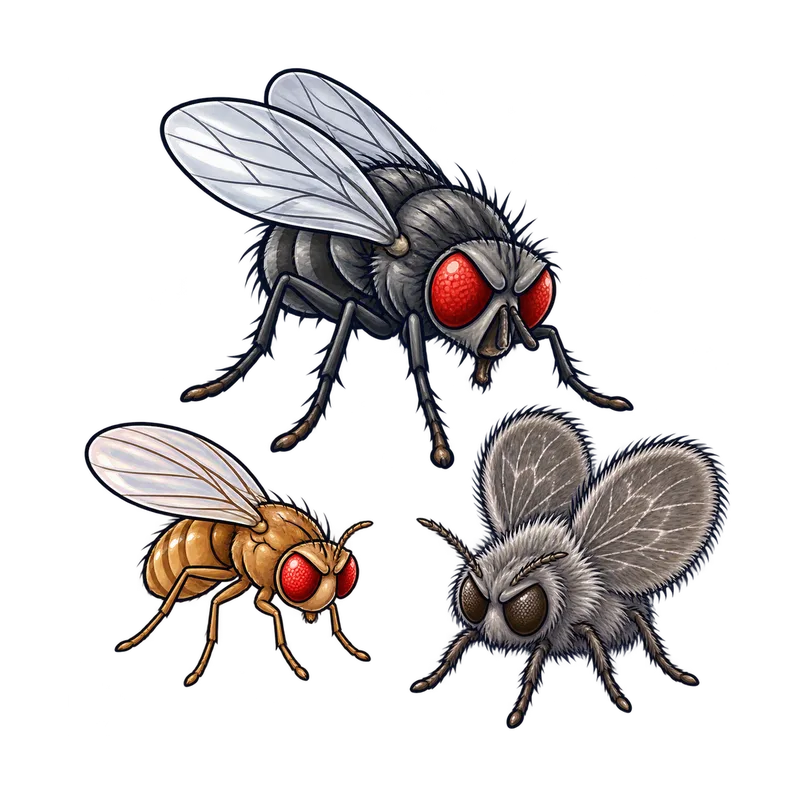
Biting midges known as no-see-ums are common around Florida coastal properties because human backyards sit right next to tidal salt marshes and mangrove swamps. These saturated environments provide the exact damp mud that semi-aquatic midge larvae need to develop.
What is actually going on
You are sitting on your screened-in porch in Florida just as the sun is starting to dip below the horizon, enjoying the evening breeze. Within minutes, you feel sharp little pinpricks on your arms and ankles, as though someone is flicking hot ash against your skin. You look down, expecting a mosquito, but you see nothing except a few tiny dark specks that look like someone just dusted black pepper over your skin.
You are dealing with biting midges, universally known around coastal properties as no-see-ums. Why are they so common right outside your back door? It comes down to real estate and biology. Florida has miles of sheltered coastline, tidal salt marshes, mangrove swamps, and damp estuarine mudflats. These saturated environments are the exact nurseries where female midges lay their eggs. The semi-aquatic larvae need that damp, decaying mud to develop, and coastal developments have conveniently placed human backyards right next door to these sprawling natural breeding grounds.
Adult emergence is heavily tied to the lunar cycle, with huge swarms often hatching around the new and full moons when spring tides flood and drain the coastal marshes. When these adult female midges hatch, they need a blood meal to mature their eggs. They are tiny, usually measuring between one and three millimeters, which gives them their famous name. Because they are so small, they do not need a wide-open window to get to you.
In fact, standard residential window and patio screens are built with a sixteen by eighteen mesh, which is plenty wide enough to let these tiny flyers march right through into your living room or lanai. When you couple that physical limitation with their preference for calm, windless conditions during dawn and dusk, you get a reliable evening assault on anyone living near the water.
How to tell for sure
Most people usually figure out they have no-see-ums by the sensation rather than a clear view of the bug. The bite is sharp and sudden, often out of proportion to how small the creature is. You usually feel the cut before you spot the insect. If you look closely at your skin without help, you will just see those tiny dark specks resembling grains of pepper.
If you grab a magnifying glass and look closer at a specimen resting on a surface, you will usually notice a few distinct traits. They have short, stocky bodies with a noticeably humped thorax, which is the middle section of the body. Their wings are broad, covered in tiny hairs, and held flat over the abdomen when they are not flying. Many species also display faint spots or patterns on those wings.
You cannot usually identify the exact species at home with a hand lens. Telling one specific midge apart from another requires putting preserved specimens on glass slides and looking at them under a high-power laboratory microscope, a job left to trained entomologists. If you are near the coast in Florida, however, and experiencing tiny biting pests that slip through your screens during a calm dusk, you are almost certainly dealing with coastal Culicoides midges rather than mosquitoes or true sand flies.
What usually comes next
People often waste time chasing standard backyard chores like dumping out birdbaths or clearing out clogged gutters, but that approach completely misses the mark with these insects. They do not care about clean standing water because their real home is wet, mucky earth. Since you cannot exactly pave over a salt marsh, your defense has to focus on physical barriers and managing the immediate space around your seating area.
Standard mesh on your porch will not cut it, so swapping those out for tighter twenty-by-twenty micro-mesh screens is your best bet for keeping them outside. You also have to keep in mind that these bugs are practically weightless and terrible flyers. A mild breeze feels like a hurricane to them, meaning a few well-placed patio fans blowing a steady current will usually keep them from touching down.
When you venture out past the screened enclosure, personal defense is your only real shield. Bug sprays registered with the environmental protection agency containing DEET, Picaridin, Oil of Lemon Eucalyptus, or IR3535 do a solid job of keeping them off your skin for a while. If you decide to call in a pest control company, they can spray specific residual barriers on shaded exterior walls and nearby bushes where resting adults hide during daylight hours, though they have to steer clear of blooming flowers so they do not hurt local bees and butterflies.
When to get help
Most of the time, a round of midge bites just leaves you with annoying red bumps and an itch that drives you crazy for a few days, but things can occasionally turn south. Digging your fingernails into those itchy spots breaks the skin and opens the door for nasty secondary bacterial infections. If your bites start weeping, swelling up way too much, or showing pus, you need to see a doctor for proper antibiotic creams.
Get emergency medical help right away if anyone shows signs of a serious allergic reaction, like swelling around the face, hives spreading across the body, dizziness, or trouble breathing.
On the property side, keep in mind that coastal salt marshes and mangrove swamps in Florida enjoy heavy protection under state and federal environmental laws. You cannot just go filling in wetlands, digging up mud, or dumping chemicals into natural marshlands on your own authority. If a neighborhood needs broad larval control in public zones, that job falls strictly to local mosquito and vector control districts. For your own yard, rely on a licensed pest management professional who knows the local wetland rules and can treat your property safely without breaking the law or wrecking the nearby habitat.