
Cluster flies vs house flies: why do they appear at windows?
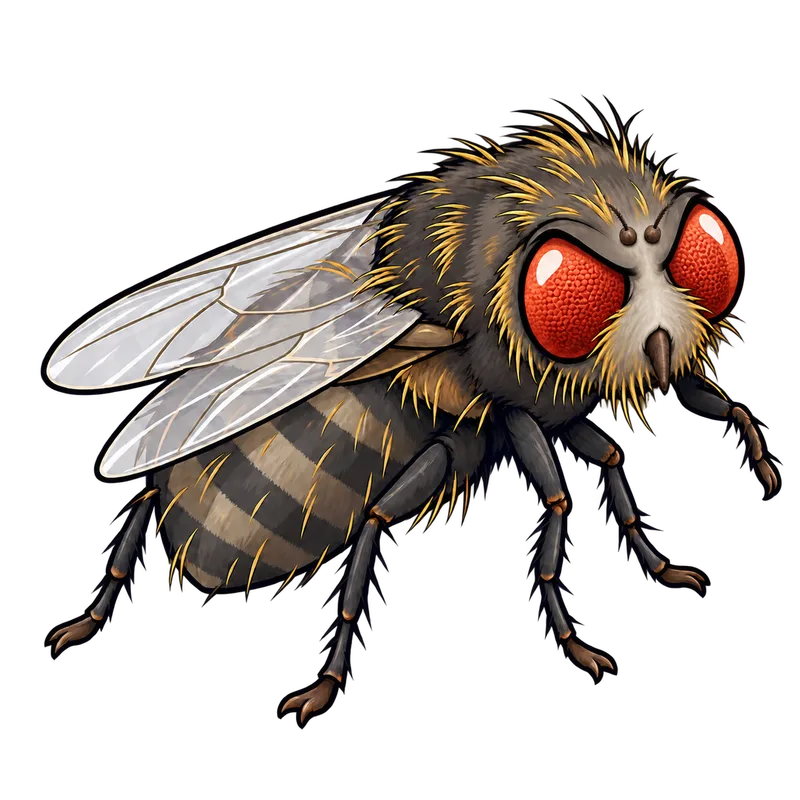
Cluster flies appear at windows in cool months because winter indoor heating warms up the wall voids where they are hibernating, tricking them into thinking spring has arrived early. They crawl out and head straight for the glass because bright daylight tells them the outside world is waiting. In contrast, house flies show up at windows during warm weather while actively searching for food and places to lay eggs.
What is actually going on
Picture a chilly Tuesday afternoon in January. You walk into your living room and notice a dozen sluggish, grayish bugs spinning slowly on their backs along the window sill. They look clumsy and half-asleep, yet you did not see a single insect in the house all through the autumn months. Then summer rolls around, and a completely different kind of insect is zooming around your kitchen lights, darting restlessly toward the open patio door.
Cluster flies appear at windows in cool months because they are overwintering adults that woke up from their hideouts inside your wall voids. They spend the late summer and autumn looking for dry, protected spaces to snooze through the cold weather. When your indoor heating system or a patch of winter sun warms up those structural cavities, the flies think spring has arrived early. They crawl out of the walls and stumble into your living space, heading straight for the window glass because their instincts tell them bright daylight means the outside world is waiting.
House flies operate on an entirely different schedule and do not hibernate in walls. Instead, active house flies show up at your windows during warm weather because they entered through an open door or a torn screen while looking for food and places to lay eggs. While cluster flies are merely dozy guests waking up prematurely from a winter hotel stay, summer house flies are active foragers drawn indoors by the smells of your kitchen, pet food, and garbage.
How to tell for sure
Telling them apart usually comes down to a quick look at their backs and how they move around the room. Cluster flies are larger, measuring about three-eighths to one-half of an inch long. They have a dull, dark gray color with a checkered abdomen and a distinct patch of short, crinkled golden-yellow hairs on their upper back. When they land, their wings overlap flat directly over their bodies. If you happen to crush one, it often emits a faint, sweet smell resembling buckwheat honey. Their flight is notoriously clumsy and lazy, and they frequently drop onto their backs and spin aimlessly on flat surfaces.
House flies are smaller, usually around one-quarter of an inch long, and feature four distinct dark stripes running down the top of their middle section. They do not have golden hairs on their bodies, and their wings are held slightly spread in a wide position when resting. Their flight is fast, agile, and purposeful, and they never emit a honey-like odor when disturbed or crushed.
Some people wonder if those winter window bugs might be indoor breeding pests like fruit flies or drain flies. They are not. Cluster flies never reproduce indoors, and they have zero interest in your garbage, fruit bowls, or plumbing drains. Their outdoor larvae develop exclusively as parasites inside living earthworms in the soil, which is why your indoor kitchen hygiene has no impact on whether they show up on your windows in January.
What usually comes next
Your main practical decision is choosing between quick physical removal today and long-term prevention for next year. If you have cluster flies buzzing on your window sills right now, spraying pesticides inside your walls or setting off aerosol bug bombs is a bad idea. Killing thousands of hibernating flies inside a wall cavity leaves behind massive piles of carcasses that quickly attract secondary scavengers like larder beetles and carpet beetles to your living space.
Instead, simply use a vacuum cleaner with a hose attachment to suck up the sluggish flies as you find them, and empty the bag or canister outside immediately. If you want to stop them from coming back next winter, the only effective remedy is mechanical exclusion. This means sealing up the exterior of your house with caulk and weather stripping around windows, soffits, and siding gaps. That sealing work needs to happen in late summer, usually between mid-August and Labor Day, before the flies ever manage to check in for the winter. Caulking in the dead of winter accomplishes nothing except trapping them inside the building envelope.
When to get help
Cluster flies do not bite, they do not sting, and they do not carry human diseases. They are simply an annoying structural nuisance. However, if the insects on your windows are causing painful bites, skin lesions, or severe swelling, you are dealing with a completely different pest, such as stable flies or biting midges. If you experience adverse health effects, consult a clinician or contact your local poison control center right away.
For severe cluster fly invasions where millions of bugs pack into upper-story structural voids, applying exterior perimeter barrier treatments in late summer often requires professional equipment and safety gear for working at heights. If you decide to hire a licensed pest control applicator, verify that they use products properly labeled for the task and follow all current local regulations regarding exterior pesticide applications.