
Why do fruit flies return after traps are emptied?
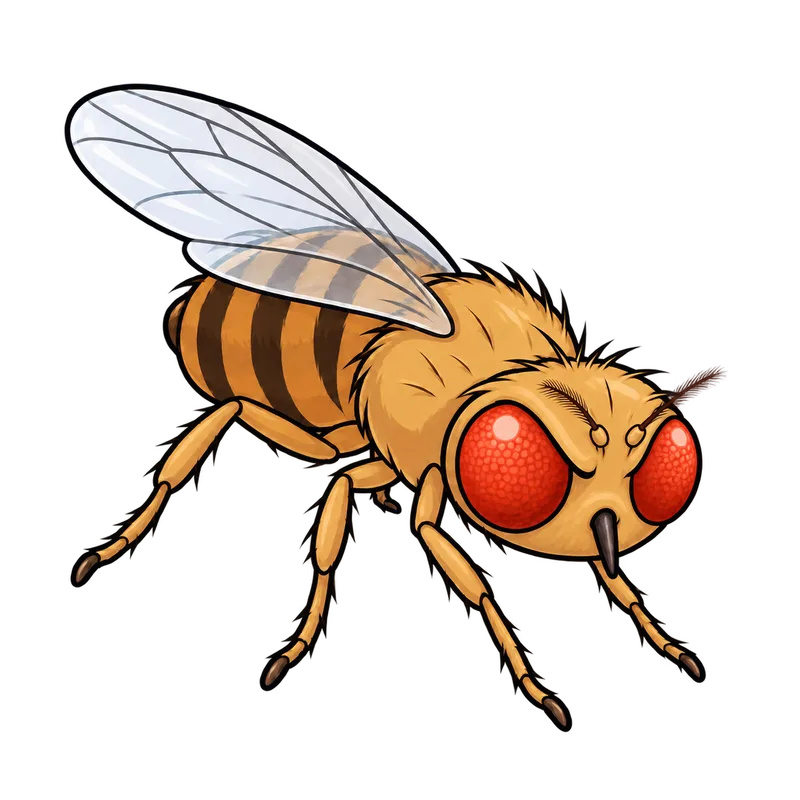
Fruit flies return after traps are emptied because baited jars catch only the adult insects present at that moment, leaving immature stages hidden nearby. A female fruit fly lays dozens of eggs in moist fermenting spots, which hatch and emerge as a fresh wave of adults in about a week to ten days.
What is actually going on
You spent yesterday evening pouring apple cider vinegar and a couple of drops of dish soap into a few small jars, lining them up along the kitchen counter like tiny swimming pools for pests. This morning, you walk into the kitchen feeling triumphant because the liquid in each jar is thick with dozens of dark little bodies. You empty the lot down the sink, rinse out the glass, and congratulate yourself on a problem well solved. Then, two days later, you walk past the same counter and notice a fresh swarm of tiny flies dancing right above the fruit bowl. It feels as though the traps are somehow breeding the pests instead of catching them.
The frustrating reality is that baited traps capture only the adult flies that happen to be flying around at that exact moment. They do nothing to stop the immature stages hiding out nearby. A female fruit fly does not wait until she is caught to lay her eggs. She finds a moist, fermenting spot, whether that is an unrinsed soda can left in the recycling bin or a half-eaten banana slice that slipped behind the toaster oven, and she drops her eggs by the dozen. Those eggs hatch into tiny maggots, which feed, crawl away to a dry crevice to pupate, and emerge as a fresh wave of adult flies just as you are emptying your vinegar jars.
At room temperature, these insects complete an entire life cycle from egg to adult in about a week to ten days. A single female can deposit hundreds of eggs over her lifetime. When you rely solely on traps, you are essentially skimming the top off a well while the spring underneath keeps pumping out water. Until you find and remove the actual breeding medium where those eggs are laid, emptying traps will remain a never-ending chore.
How to tell for sure
Before you start tearing your kitchen apart looking for a breeding site, it helps to confirm what you are actually dealing with because not every tiny flying insect in a house is a fruit fly. Identification usually depends on a few physical traits and behaviors.
True fruit flies or vinegar flies usually have bright red eyes, a tan-colored body, and a habit of hovering in clouds directly over overripe fruit or open wine bottles. If the insects have dark eyes, a pronounced humpbacked thorax, and tend to run across the counter in short, jerky bursts rather than flying away immediately, you are usually looking at phorid flies, which often breed in decaying organic matter or even dirty mop heads.
If the pests look more like tiny, fuzzy moths with leaf-shaped wings held roof-like over their bodies, you usually have drain flies. They are weak fliers that prefer to rest on walls near sinks and damp utility areas. On the other hand, if you notice delicate, mosquito-like gnats hovering around the soil of your houseplants, you are usually dealing with fungus gnats, whose larvae feed on organic matter and plant roots in overwatered pots. Knowing which insect you have tells you immediately where to look for the source, since a fruit fly trap will not solve a fungus gnat problem hiding in a potted fern.
What usually comes next
Your next practical move is to stop staring at the traps and start hunting down the actual nursery. Traps are handy for keeping score, but they will never finish the job on their own.
Take a good look around every damp, sticky corner of the kitchen. Pull the toaster away from the wall, peek behind the fridge, and dig into that recycling bin where a forgotten drop of soda at the bottom of a can is basically an all-you-can-eat buffet. If the trouble leads straight to the sink drain, pouring boiling water or a cup of bleach down there usually does nothing because the liquid shoots past the slimy film where the larvae are hanging out. You actually need to grab a stiff brush and scrub the inside of the pipe to clear out that gunk, then follow up with an enzymatic drain cleaner meant to dissolve the leftover residue.
If the culprit turns out to be your favorite houseplant, let the top couple of inches of soil dry out completely so the little pests cannot survive in the damp dirt. Stash your fresh fruit in the fridge or inside airtight containers instead of leaving it sitting out on the counter. Once you clean out these hidden breeding grounds, the stragglers in your vinegar traps will finally die off and leave you in peace.
When to get help
Most household fly problems clear up nicely once you get serious about cleaning and food storage, but some situations need a professional touch. If you are dealing with a massive swarm of phorid flies in a house that is spotless, the trouble might be coming from a cracked sewer pipe hidden beneath the concrete floor. Those underground leaks soak the earth beneath your home, creating a breeding factory you cannot reach without a licensed plumber to dig things up and fix the break.
Restaurants, healthcare facilities, or any commercial kitchen fighting a stubborn fly problem should bring in pest control professionals to keep things safe and health code compliant. If you decide that a severe structural infestation calls for chemical treatments, always follow the product label instructions to the letter. Never mix up your own concoctions, and leave heavy-duty commercial applications to the licensed experts.