
What do phorid flies suggest when they appear far from food?
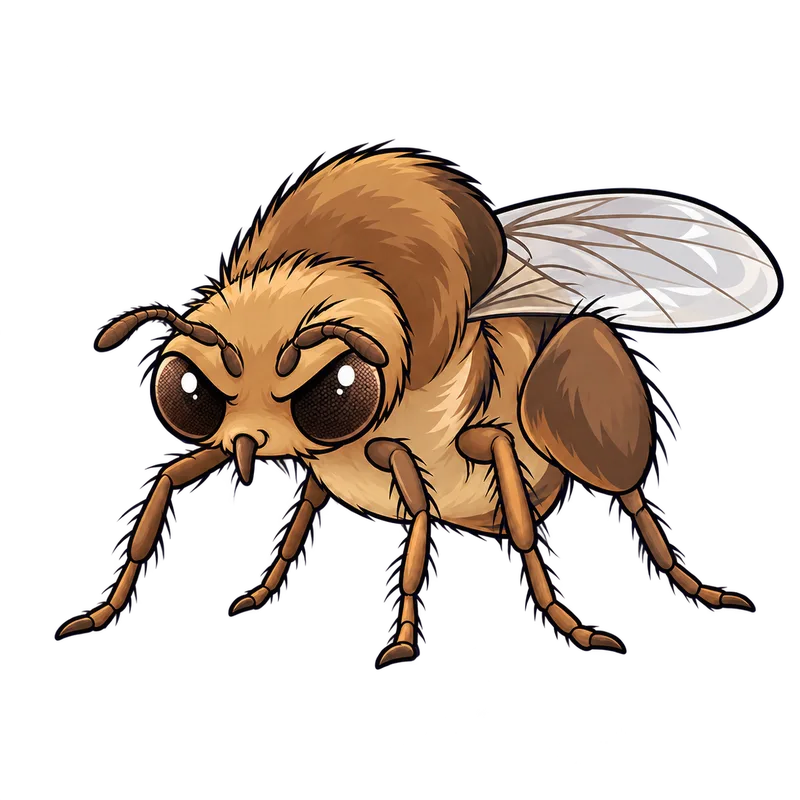
Phorid flies appearing far from food usually suggest a hidden, non-food accumulation of moist and decomposing organic matter nearby. They might be tracking down a damp forgotten mophead, an overwatered houseplant, or even a broken sewer line beneath your foundation.
What is actually going on
Picture walking into your home office to check your morning emails, only to notice a tiny, dark bug sprinting across your wooden desk in erratic, jerky bursts. You check the fruit bowl in the kitchen, but it is completely empty. There are no sticky soda cans or unwashed wine glasses anywhere in sight. So why are these tiny visitors hanging out in a room far from any food prep zones? When phorid flies appear in bedrooms, hallways, or living rooms, they are usually trying to tell you that there is a hidden, non-food accumulation of moist, decomposing organic matter somewhere nearby.
Unlike common fruit flies that rely heavily on fermenting plant starches and sweet liquids, phorid flies are highly adaptable saprophages, which simply means they thrive on non-living, decaying organic matter and the microbial films that grow on it. When female phorid flies look for a place to lay eggs, they ignore your pantry and instead hunt down damp filth. This could mean a damp mophead left forgotten in a bucket, an overwatered houseplant with stagnant water sitting in the saucer tray, or refrigerator and air conditioner drip pans full of organic sludge.
Sometimes the source is even further out of sight. Phorid flies have a remarkable physical capability to navigate through dense soil and concrete cracks. If a sewer line beneath your concrete slab foundation develops a rupture, sewage contaminates the surrounding earth. Phorid flies can burrow through soil and enter your living space through foundation expansion joints or tiny slab cracks. In other cases, a guest bathroom sink or a basement floor drain goes unused for months, causing the water barrier in the curved plumbing pipe to dry out. Without that water seal, insects breeding in municipal or septic sewer lines can fly straight up the pipe and into your home.
How to tell for sure
Before you start tearing up your floors or tossing out houseplants, make sure you are actually dealing with phorid flies instead of one of the other tiny indoor pests. The easiest way to check is to watch how the insect moves. When you try to swat a fruit fly, it usually takes off into the air immediately. Phorid flies tend to scuttle across surfaces in short, lightning-fast dashes punctuated by sudden stops, which is why extension entomology sources often call them scuttle flies.
Look closely at the side profile of the insect. Phorid flies feature a distinctly humped or arched thorax, which is the middle body segment, curving aggressively over a small, downward-tapering head. This earned them the common nickname of humpbacked flies. Check their eye color as well. Common fruit flies usually have bright red eyes, whereas phorid flies have dark brown or black eyes.
You can also use a simple diagnostic test to confirm where they are coming from. If you suspect a specific drain or floor crack is the exit point, place a length of clear packing tape sticky-side down right across the opening, leaving a small gap for airflow, or invert a clear glass jar over the spot. Check the area after twenty-four hours to see if any adults are trapped underneath. If you find them stuck to the tape, you have usually found their highway.
What usually comes next
The most practical move you can make right now is to stop wasting money on aerosol bug sprays and room foggers. Those quick fixes will only drop the adult bugs you can see buzzing around your living room, leaving the real nursery untouched so a fresh batch can hatch tomorrow. Since these insects are tracking down hidden moisture and decay, your energy needs to go straight into deep cleaning and finding the exact source.
If the problem points to your plumbing, skip the routine of pouring household bleach or boiling water down the sink. Those liquids just slide right down the middle without breaking up the tough, slimy biofilm where the tiny larvae actually live and eat. Instead, grab a stiff pipe brush and physically scrub the inside walls of the drainpipes and overflow channels to strip away that scum. After that, treat the pipes with specialized biological drain cleaners following the directions on the product label, using beneficial bacteria and enzymes to eat away the remaining film.
For sources outside the plumbing, let the top soil of your houseplants dry out between waterings and empty any standing water lingering in the saucers underneath. Wash your mopheads thoroughly after every single use and hang them up in the open air so they dry out completely. If your home has a guest bathroom that rarely gets used, make a habit of running the faucets and flushing the toilets once a week to keep the plumbing traps full of water.
When to get help
There are times when a weekend cleanup will not fix the issue, meaning it is time to call in professionals. If you have scoured every drain, inspected your houseplants, and dried out your cleaning gear, yet phorid flies keep pouring up through floor cracks or expansion joints, reach out to a licensed plumber. Constant swarms coming straight out of concrete usually point to a broken sewer line or drain pipe hidden beneath the foundation, which calls for professional digging and repairs.
You should also bring in a pest control company if these flies show up in commercial kitchens, healthcare facilities, or medical offices where they can carry filth and germs from sewage onto clean plates, tools, or open wounds. On top of that, if a sudden indoor swarm comes with a terrible smell and other larger flies, you might be dealing with a dead rodent or bird rotting inside a wall cavity or chimney, which usually takes an expert to locate and remove.
If anyone in your household develops skin irritation, sores, or something that looks like an insect bite, do not try to guess what caused it. Phorid flies do not have biting mouthparts, but any strange skin symptoms still need a quick check by a doctor, an urgent care clinic, or poison control.