
Why are tiny bugs gathering around windows?
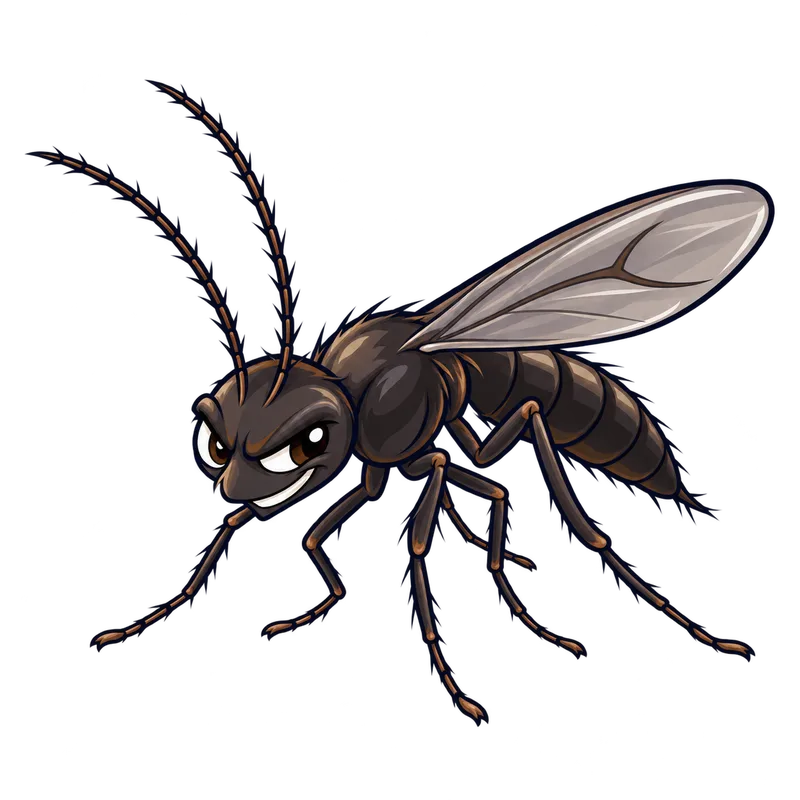
Tiny bugs gather around windows because window assemblies provide environmental entry points, sun warmed microclimates, and moisture. Flying insects are trapped against the glass because their internal navigation systems lock onto the light. In addition, seasonal invaders seek warmth on sun warmed frames and exploit tiny structural gaps to crawl inside.
What is actually going on
Imagine walking into the living room on a bright Tuesday morning and noticing a cloud of tiny bugs frantically bumping against the window glass. You walk over, tap the pane, and realize the sill is littered with small specks or discarded wings. It is an oddly specific nuisance, and it usually makes you wonder how on earth they managed to get in.
Tiny bugs gather around windows because window openings provide environmental entry points, moisture, and sun-warmed microclimates. Interior and exterior glass attracts flying insects, emerging wood-boring pests, and seasonal invaders seeking shelter. Think of a brightly lit window pane during the day or a glowing window at night as an optical beacon. Flying insects do not gather there out of malicious curiosity. Their internal navigation systems lock onto the light, trapping them against the glass until they drop to the sill below.
Beyond light attraction, window assemblies are a natural crossroads for temperature and moisture. In autumn, dropping ambient temperatures prompt occasional invaders like stink bugs and lady beetles to seek warmth on sun-warmed exterior window frames, where they exploit tiny structural gaps to crawl inside. At the same time, window frames, weep holes, and nearby overwatered houseplant saucers retain humidity, creating perfect microclimates for moisture-dependent pests like fungus gnats or springtails.
How to tell for sure
You have to look closer at what is actually sitting on that sill before you can do anything about it. Identification always comes first because a fungus gnat requires a very different approach than a wood-boring beetle.
If you see tiny, slender dark flies running across the soil of a potted plant and gathering on the glass, you are usually looking at fungus gnats. Their larvae feed on organic matter and fungi in damp potting mix, and the adults simply fly toward the nearest daylight.
If you find tiny, reddish-brown specks that move slowly across the white paint of the window trim, you are likely dealing with clover mites. They migrate from lush lawns in spring and autumn, and crushing them leaves an unmistakable reddish-brown stain because of their bodily pigments.
If the gathering involves winged insects, pay very close attention to their shape. Subterranean termite swarmers are small, dark insects with straight antennae, broad waists, and four translucent wings of equal length that often shed and pile up on window sills like dropped leaves. Winged ants look superficially similar, but they have elbowed antennae, narrow constricted waists, and front wings that are noticeably larger than their hind wings.
You might also spot adult powderpost beetles on the sill after they emerge from infested hardwood window trim or flooring through pinhead-sized exit holes, often leaving behind a fine flour-like frass.
What usually comes next
Once you figure out what you are looking at, you have to break the connection between the bugs and the window. The most practical first step is usually to address the exterior boundary and seal the physical gaps letting them in.
Grab a high-grade elastomeric caulk and seal the cracks and crevices around the exterior window frames, sills, and siding joints. Check your window screens for torn mesh and make sure your door sweeps are tight. If you have mulch or dense shrubs pressed directly against the foundation beneath those windows, pull them back to create a clean, dry border zone free of vegetation. That simple strip of clearance removes the damp microclimate that crawling pests use as a highway toward your window frames.
If you are dealing with indoor pests like fungus gnats, let the top layer of your houseplant soil dry out completely between waterings to disrupt their life cycle. Avoid the temptation to pile thick heaps of desiccant dust or diatomaceous earth on the window sills. Insects will simply walk around a heavy drift of powder. If you use an EPA-registered amorphous silica dust in hidden structural voids, apply it as a barely visible, faint film that acts more like an invisible patch of ice than a snowbank.
When to get help
There are moments when a DIY approach is no longer sensible and you need to bring in outside expertise.
If you find discarded translucent wings on your window sills, earthen mud tubes along your foundation, or fine frass pushing out of tiny holes in your structural wood, you need to call a licensed timber pest inspector immediately. These signs point to active termites or wood-boring beetles that can compromise the structural integrity of your home if left unchecked.
You should also reach out to a professional if you plan to use chemical treatments near sensitive areas, or if you encounter regulatory restrictions regarding pesticide applications over hardscapes. Always remember that pesticide labels are legally enforceable federal documents, and any application must follow the instructions on the container to the letter.
If pest issues involve protected wildlife such as roosting bats or nesting birds around your eaves and windows, contact a local wildlife agency or a licensed wildlife control operator, as federal and state laws strictly govern their removal. Finally, if anyone in your household experiences unexplained skin lesions or severe allergic reactions, consult a qualified medical clinician or your regional poison control center right away rather than trying to diagnose pest bites yourself.