
Fruit flies vs drain flies: which breeding source should you inspect?
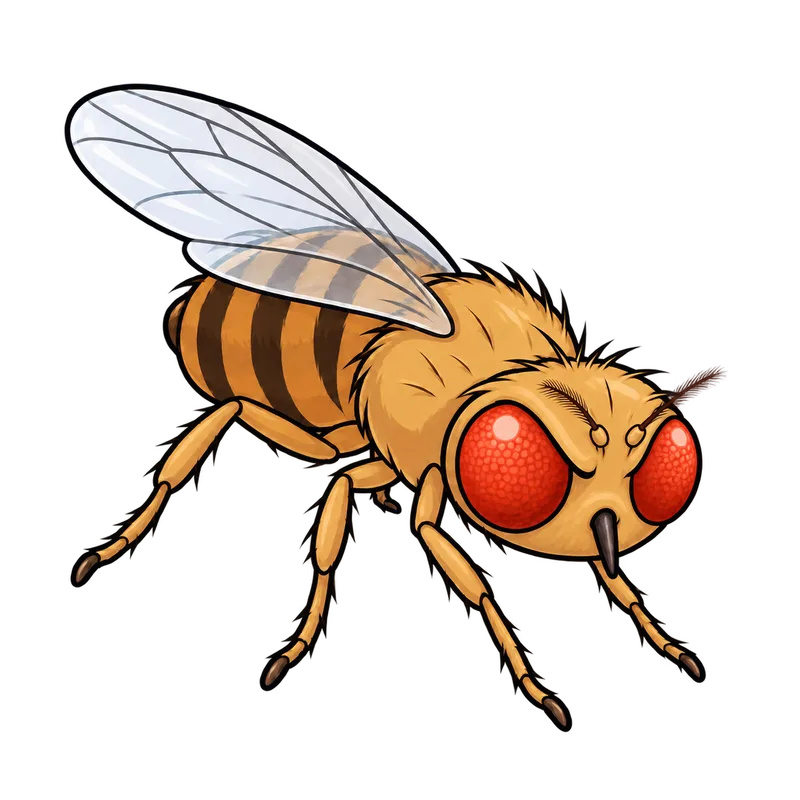
You should inspect either fermenting sugar sources or the slimy film in your plumbing, because fruit flies want yeasts and decaying plant sugars while drain flies want the biofilm coating sink pipes, shower traps, and floor drains. Your choice depends entirely on whether you are dealing with fruit flies or drain flies.
What is actually going on
Imagine walking into your kitchen on a Tuesday morning, only to find a cloud of tiny bugs hovering ominously over the fruit bowl like an uninvited welcoming committee. Your first instinct is usually to swat at them and wonder where on earth they came from. The core question is whether you should be hunting down a forgotten potato bag in the pantry or reaching for a pipe brush under the sink. The answer comes down to a simple biological divide: fruit flies want fermenting sugar, while drain flies want the slimy film lining your plumbing.
People often assume that any small flying insect indoors is a fruit fly, treating every room in the house the same way. That shortcut usually leads to staring angrily at an empty kitchen counter while the bugs keep multiplying because the real breeding ground is tucked away elsewhere. Fruit flies need yeasts and decaying plant sugars to survive. They show up around overripe bananas, forgotten onions at the back of the pantry, unrinsed beer or soda cans in the recycling bin, or even a damp mop head left in a bucket.
Drain flies, by contrast, ignore your produce entirely. They belong to a different family of insects whose larvae feed exclusively on the gelatinous organic slime, known as biofilm, that coats the inside of sink pipes, shower traps, and floor drains. Think of a neglected drainpipe as a microscopic waterpark covered in a slippery layer of bacteria, fungi, and soap scum. That sticky matrix gives drain fly larvae a safe harbor where they can munch away undisturbed, completely immune to the rush of everyday tap water washing past them.
How to tell for sure
Before you start tearing apart your kitchen or pouring cleaners down every pipe in the house, you need to look closer at the bugs themselves. Pull out your smartphone and take a macro photo, or use a magnifying glass if you have one handy. Fruit flies usually feature tan to brownish bodies, distinct red eyes, and a stout shape. They tend to hover steadily near food sources and fly actively around the room.
Drain flies look entirely different. They resemble a tiny, fuzzy moth in miniature, measuring no bigger than a sesame seed with dark gray or black bodies covered in dense hairs. When they rest, they hold their leaf-shaped wings roof-like over their bodies. Their flight is weak, short, and fluttery, usually lasting only a few feet from the drain they crawled out of. If you happen to spot a small fly that scuttles rapidly and jerkily across the counter like a tiny beetle before taking off, you are likely looking at a phorid fly, which can breed in both food waste and sewage pipe leaks.
You can confirm a plumbing source using a clever trick called the clear packing tape test. Take a strip of packing tape and place it sticky-side down right over the drain opening, making sure to leave a small gap at the edges for airflow. Leave it in place overnight. If you wake up the next morning and find small flies stuck to the underside of the tape, you have proved that those insects are emerging directly from that pipe. If the tape comes up empty, your problem is coming from somewhere else in the room.
What usually comes next
Once you figure out which pest you are dealing with, your next move depends entirely on that exact choice. If fruit flies are your main issue, tracking down where they are breeding is an absolute must because traps catching only the adults will never finish the job. Throw away any bruised or rotting fruit, wash out sticky recycling bins, scrub the disgusting sludge from the bottom of your wastebaskets, and hang up damp cleaning rags so they dry out completely. You can also set out simple temporary traps by pouring a little apple cider vinegar into a small bowl and mixing in a single drop of liquid dish soap to catch the adults while you scrub.
If your tape test points straight at the plumbing, you have to treat that pipe directly. One of the biggest mistakes people make involves dumping standard household bleach or boiling water down the drain and expecting miracles. That shortcut rarely works because liquids just rush down the middle of the pipe, leaving the sticky bacterial slime clinging to the walls completely untouched.
Clearing out a drain fly problem takes some actual elbow grease and the right tools. You need to push a long, stiff-bristled brush down the drain opening and scrub hard to scrape away that slimy film, then rinse everything down with hot water. After that, apply a specialized enzymatic or microbial drain cleaner for a few nights in a row. These products use active bacteria and enzymes to eat away at the remaining organic gunk without needing harsh chemicals. Always read and follow the product label instructions carefully, and never pour conventional liquid insecticides down your household plumbing.
When to get help
Most small fly outbreaks clear up once you clean thoroughly, store your food better, or fix your drain maintenance routine, but some situations definitely call for backup. If you live in an apartment, a stubborn swarm might be coming from shared vertical pipes or a neighbor's kitchen, which means you need to get building management involved. For people in houses, if you keep scrubbing your drains and using enzyme cleaners for weeks while drain flies or phorid flies keep appearing in large numbers, you might actually be dealing with a cracked sewer line or a broken drainpipe hiding under your concrete slab or crawl space. That kind of structural plumbing damage means it is time to call a licensed plumber to track down the break and fix it.
Health and safety also matter when deciding whether to handle the problem yourself or call in a professional. Because both types of flies spend time crawling over garbage and rotting matter before landing on your kitchen counters, they can easily track bacteria onto the surfaces where you prepare food. On top of that, the tiny, dried bodies of dead drain flies can break down into fine dust that triggers allergic reactions or asthma attacks in sensitive individuals. If anyone in your home starts experiencing persistent health issues or allergy symptoms connected to the infestation, make sure to talk to a qualified clinician, visit your local urgent care facility, or call your regional poison control center right away.