
Why are bugs coming from a sink drain?
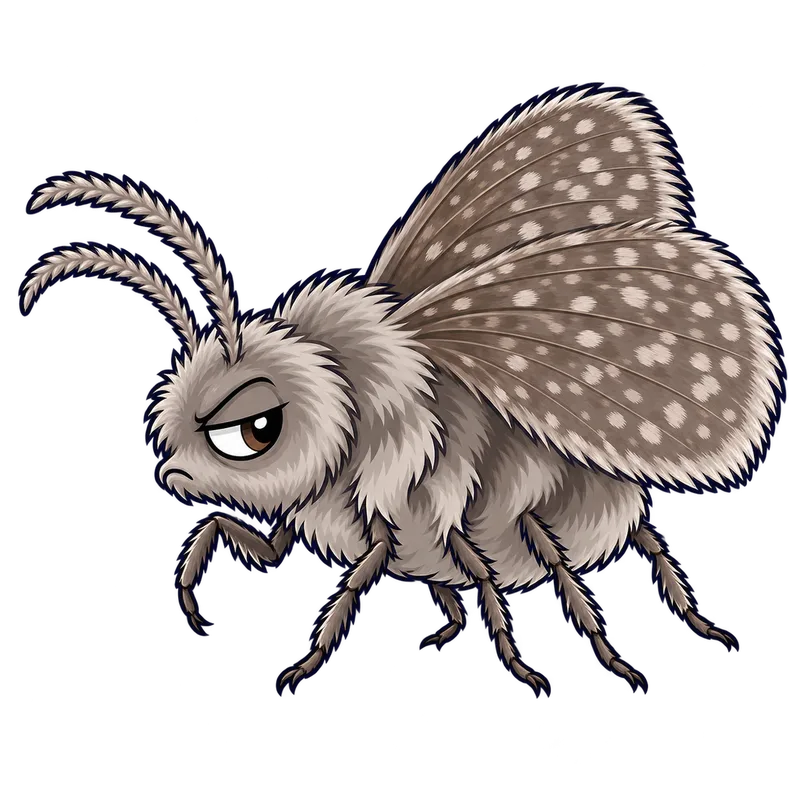
Bugs are coming from a sink drain because they are drawn to a hidden breeding ground inside the pipe walls or a localized humidity hotspot surrounding the fixture. Sinks with a proper water-filled plumbing trap maintain an airtight liquid barrier that stops outdoor pests from climbing up from municipal sewer mains.
What is actually going on
You walk into the kitchen early in the morning, reach for the faucet to fill the kettle, and notice a handful of tiny, fuzzy insects lifting off the porcelain rim. Or perhaps you spot microscopic white specks scurrying across the damp caulking around the bathroom basin. Naturally, your first thought is that something sinister is crawling up from the municipal sewer mains and invading your plumbing.
The reality is usually much closer to home, though it rarely involves anything climbing through miles of city pipework. Sinks that feature a proper, water-filled plumbing trap maintain an airtight liquid barrier that physically stops outdoor pests from making the long journey upward. Instead, bugs appearing from or around a sink drain are drawn to one of two things: a hidden breeding ground inside the pipe walls or a localized humidity hotspot surrounding the fixture.
The primary culprits inside the pipe itself are drain flies, often called moth flies. These insects do not live in the deep sewer lines. Instead, they lay eggs and complete their immature development directly inside the sink plumbing within a gelatinous, water-resistant organic biofilm. This slick matrix is a combination of decomposing food particles, hair, soap scum, grease, and bacterial slimes that coats the interior of slow or disused drain pipes. Think of it like the slippery film that forms at the bottom of an unwashed pet water bowl, where plain water running over it just glides right past without cleaning the layer underneath.
On the other hand, crawling arthropods you find lingering around the outer rim of the basin are usually foragers rather than pipe dwellers. Creatures like booklice, mold mites, and silverfish do not breed inside active wastewater streams. They show up because a sweating supply line, a hidden micro-leak in রামগতি vanity cabinet, or high room humidity has created a damp patch where surface molds and fungi can flourish. They are simply grazing on that microscopic mold and organic detritus, acting as nature's tiny, living moisture alarms to tell you that a part of your bathroom or kitchen is staying too damp.
How to tell for sure
Before you start tearing apart your plumbing, you need to know what you are actually looking at. Drain flies are usually easy to spot with the naked eye because they measure about one-sixteenth to one-eighth of an inch long, with a distinctively fuzzy, moth-like body and wings they hold roof-like over their backs when they rest. They are weak fliers that tend to stay very close to the drain they emerged from, rather than scattering across the entire house.
If you suspect a particular drain is the culprit, you can run a diagnostic overnight clear-tape test. Before you go to bed, place a strip of clear adhesive tape sticky-side down right across the drain opening, leaving just enough space at the edges for a little airflow. Think of it like setting up a tiny, transparent tollbooth over the exit. If you wake up in the morning and find insects stuck to the underside of the tape, you have confirmed that specific fixture contains an active breeding colony.
When the bugs are too small to make out clearly, the distinction usually comes down to movement and habitat. Booklice are tiny, soft-bodied, wingless specks measuring up to one-sixteenth of an inch, and they tend to scurry across damp counters or tile grout at a surprising speed. Mold mites appear as a moving white dust layer near moist sink rims, requiring a magnifying glass or microscope for a positive identification. Silverfish are much larger, measuring up to half an inch, with a carrot-shaped, silvery metallic body and three distinct tail-like appendages at the rear.
You should also look at how often the sink gets used. Sinks subjected to daily heavy water flow rarely support drain flies because constant mechanical flushing prevents thick biofilm from accumulating. Problem drains are usually low-use, slow-draining, or disused guest fixtures that sit quietly long enough for a sludge layer to form.
What usually comes next
Once you confirm that drain flies are breeding inside a pipe, your most important practical decision is choosing how to clean it, which means letting go of the old habit of dumping ordinary household bleach down the opening. Thin liquid cleaners consistently fail because they glance right off that water-resistant film, leaving the underlying larvae completely safe inside their gelatinous home. Pouring boiling water or standard chemical drain openers down the pipe offers only temporary relief at best, knocking out a few surface adults while the core population keeps feeding undisturbed.
Long-term resolution requires physical disruption of the pipe walls. You need a stiff, bent-wire drain brush to scour the interior surfaces below the drain strainer and break up that stubborn organic sludge. Skipping this mechanical scrubbing guarantees that any treatment you try afterward will fall short. Once you have physically scoured the pipe walls and scraped away the buildup, you can follow up with a multi-day application of a thick enzymatic or bio-cleansing gel designed to digest any remaining organic residue.
If your overnight tape test comes up empty and you are dealing exclusively with crawling booklice or mold mites around the outside of the basin, scrubbing the drain pipe will not solve the issue. Your main focus must shift entirely to structural moisture control. Running a portable dehumidifier or improving room ventilation to drop ambient relative humidity below 50% will starve these moisture-loving pests of the microscopic mold they feed on while bringing about natural desiccation.
When to get help
Most drain pests found in houses pose minimal health risks because they do not bite, sting, carry human diseases, or cause structural wood damage. However, high populations of booklice or mold mites can sometimes aggravate respiratory allergies or asthma due to shed skins and associated indoor mold spores. If anyone in your household experiences persistent breathing difficulties or severe allergic reactions, consult a clinician for proper medical evaluation.
Regarding the physical plumbing, there are moments when do-it-yourself scrubbing is simply not enough. Call a licensed plumber if flies re-emerge continuously after thorough physical scrubbing and enzymatic treatments on all household drains. Persistent emergence usually points to a broken sewer seal, a cracked drain line hidden inside a wall void, or an unvented plumbing trap that requires professional repair.
You should also bring in a licensed pest management professional if crawling pest infestations extend far beyond the sink vanity, moving heavily through wall voids, subfloors, or structural cavities that require specialized equipment or crack-and-crevice treatments. Never pour unregistered liquid insecticides down municipal drain lines, and remember that any commercial chemical pesticide applications belong exclusively in the hands of a licensed applicator working strictly according to product label directions.