
Are no-see-ums common in Las Vegas?
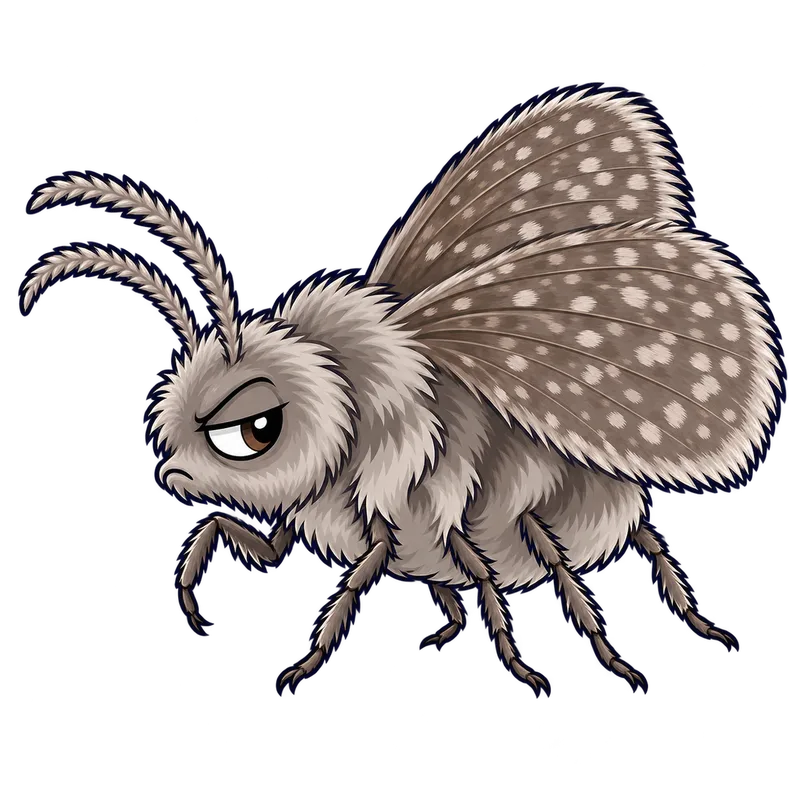
No, true biting midges, often called no-see-ums, are generally not common in the natural outdoor environment of Las Vegas. The hyper-arid desert climate and lack of natural wet organic soil breeding sites make typical midge territory practically nonexistent. Unless you live next to a heavily overwatered golf course or leaking irrigation line, you will rarely encounter them.
What is actually going on
You are sitting on your patio in the Las Vegas evening, enjoying the brief moment when the desert air finally cools down, when you suddenly feel what seems like hot pinpricks on your ankles. You reach down to swat away a mosquito, but your fingers brush against nothing at all. A few minutes later, the burning sensation returns, leaving behind tiny, intensely itchy red bumps that make you wonder if those legendary biting midges have somehow set up shop in the Mojave Desert.
The short answer is no, true biting midges, often called no-see-ums, are generally not common in the natural outdoor environment of Las Vegas. If you are imagining clouds of tiny, bloodthirsty bugs swarming your backyard like they do in coastal marshes or northern lake regions, you can breathe a sigh of relief. The hyper-arid desert climate and complete absence of natural wet, organic soil breeding sites make typical midge territory practically nonexistent here.
Why do these insects need damp ground in the first place? Female biting midges lay their eggs in saturated mud, salt marshes, or the muddy banks of rivers where their worm-like larvae can feed and develop in high moisture. In the dry Las Vegas valley, those natural substrates simply do not exist outside of a few managed oases. Unless you live immediately adjacent to a heavily overwatered golf course pond, a leaking irrigation line, or an artificial wetland, you are unlikely to encounter a natural population of these biting pests outdoors.
When residents find tiny flying insects inside the house and suspect no-see-ums, a close look usually reveals an entirely different culprit. Indoor spaces in the desert frequently host harmless lookalikes such as fungus gnats hovering over overwatered houseplants, drain flies resting near bathroom sinks, or tiny scuttle flies darting across kitchen counters. None of these indoor visitors bite humans, yet their small size often tricks people into blaming the most infamous tiny pest in the book.
How to tell for sure
Telling these insects apart usually comes down to observing where they hang out, what they look like, and whether they are actually interested in your blood. Real biting midges measure roughly 1/32 to 1/16 of an inch, making them look like specks of black pepper with wings. When they land, they fold their wings flat over their abdomen and arch their thorax into a distinctive humpbacked shape. Their attacks usually register as a sharp, burning pinch before you even spot the insect, and only the females bite, using tiny, blade-like mouthparts to take a blood meal for their eggs.
If you spot tiny flies hanging around your indoor potted plants, you are usually looking at fungus gnats. These delicate, dark insects grow to about 1/10 of an inch long and spend their time walking across the soil surface or hovering near the stems, feeding strictly on decaying organic matter and fungi in the potting mix. They do not bite humans, and despite their presence, they pose zero threat to your skin.
Bathroom and kitchen drains often harbor drain flies, which look less like mosquitoes and more like tiny, fuzzy moths with broad wings held in a tent shape over their bodies. They breed in the gelatinous organic film that builds up inside plumbing pipes over time, but like fungus gnats, they lack the mouthparts to bite people. Phorid flies are another common indoor visitor, recognizable by their quick, erratic scuttling motion across surfaces and a humpbacked profile, and they breed in decaying garbage or dirty drains without ever biting.
One physical detail that often surprises homeowners involves window screens. Standard window screening uses a 16-mesh weave that leaves gaps large enough for adult biting midges to crawl right through. If you are dealing with tiny insects slipping past closed windows, they are usually small enough to navigate standard mesh, which is why finer mesh screening or simple household fans blowing a steady breeze across your living space make such a noticeable difference.
What usually comes next
When you are trying to figure out a persistent tiny fly problem around the house, the smartest practical step you can take is tracking down the exact moisture source fueling their reproduction instead of guessing at chemical treatments. Because these insects rely on very specific conditions to multiply, cutting off their access to water and organic gunk stops an infestation right at the root. If your tiny visitors are hovering around indoor plants, the fix usually involves letting the potting soil dry out completely between waterings so the developing larvae simply cannot survive.
If the insects are emerging from your bathroom or kitchen sinks, pouring boiling water down the drain rarely works because the sticky organic film protects the developing larvae underneath. Taking a stiff bristle brush and physically scrubbing the inside of the drain pipe removes that layer of scum entirely, eliminating the breeding ground for drain flies and phorid flies in one go. For outdoor issues near patios or heavily irrigated turf zones, repairing leaky valves or adjusting sprinkler run times to prevent standing water does the heavy lifting.
Reaching for aerosol foggers or broad pesticide sprays as a first resort usually leads to frustration. Outdoor fogging only knocks down adult insects temporarily, meaning new ones will simply fly in once the mist clears as long as the damp breeding habitat remains nearby. Focusing your energy on physical exclusion, such as upgrading to fine mesh window screens or running indoor and patio ceiling fans to disrupt weak flight paths, gives you immediate relief without unnecessary chemicals.
When to get help
Skin reactions alone can never identify an insect, so a cluster of itchy welts or a blurry photograph of a bug on your arm is not enough to confirm a specific pest species. If you experience severe local swelling, systemic allergic reactions such as dizziness or difficulty breathing, or secondary skin infections from scratching persistent bites, you need to consult a healthcare professional, urgent care clinic, or poison control center right away.
Structural issues require a different kind of expert help. When indoor fly infestations persist despite your best efforts with cleaning and drying out plants, the source may be hidden out of sight behind walls or beneath floors. A broken sewer pipe or a leaking plumbing line underneath a concrete slab creates a permanently damp void that can trigger massive indoor outbreaks of phorid flies or drain flies regardless of the dry desert climate outside. In those cases, you should involve a licensed plumber or a structural pest control operator to locate and fix the hidden moisture problem.
If you suspect that a commercial property, a livestock facility, or a large resort landscape requires complex chemical treatments or restricted-use pesticide applications to manage persistent biting pests, leave those decisions to a licensed pest management professional. Commercial applications must strictly follow product label regulations to protect public health and the surrounding environment, ensuring the job is done safely and correctly.