
What are very tiny bugs in a bathroom?
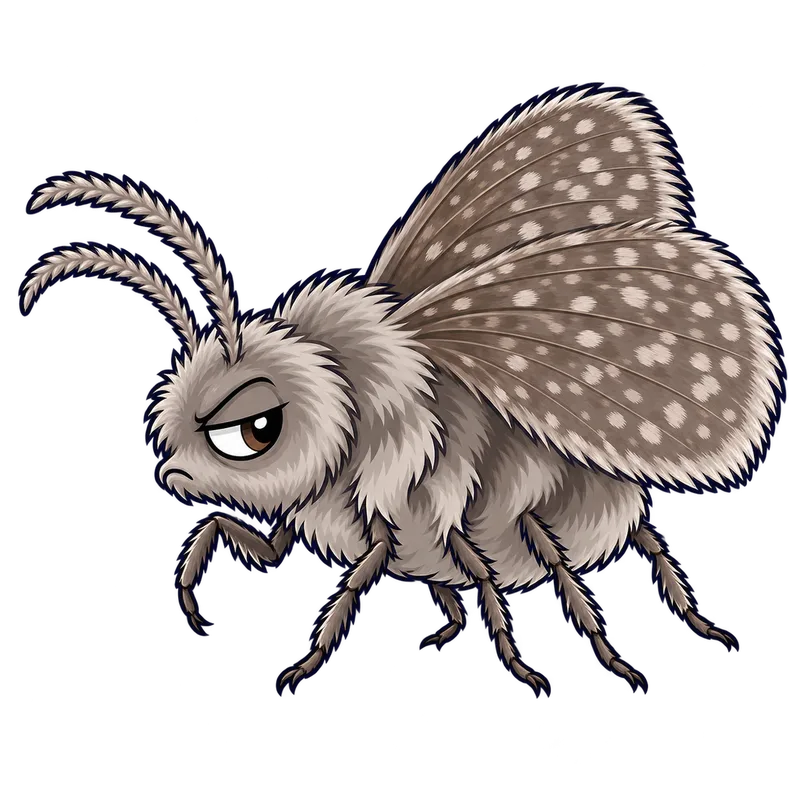
Very tiny bugs in a bathroom are usually non-biting arthropods like booklice, mold mites, drain fly larvae, or silverfish. Whether you are seeing booklice moving in jerky bursts, a dusty smudge of mold mites, or fuzzy drain fly larvae depends on which moisture-loving pest is feeding on the organic debris and fungal spores in your space.
What is actually going on
You step onto the cold tile first thing in the morning, reach for the sink, and notice a dozen microscopic white specks darting across the porcelain or marching along the grout. They are far too small to be regular spiders, and they seem to appear out of nowhere whenever the room stays steamy for a few days. If you lean in close, you realize these tiny creatures are not a single invader, but rather a revolving cast of moisture-loving hitchhikers that treat your bathroom like a tropical greenhouse.
Most very tiny bugs in a bathroom are non-biting arthropods that thrive on high humidity, mold spores, and organic debris. When people spot these specks, they are usually looking at booklice, mold mites, drain fly larvae, or the early stages of silverfish and carpet beetles. None of them want to bite you or drink your blood. They are simply following their biological GPS straight to wherever water and hidden fungal growth happen to collect.
Take booklice, for instance. These soft-bodied, wingless insects look like moving dust to the unaided eye. They live off microscopic mold and starchy residue on damp drywall or behind peeling wallpaper. Mold mites are even smaller and often show up as a fine, dusty coating on damp window sills or tile sealant. They eat fungal spores directly, which explains why you only find them where moisture lingers.
Then you have the creatures living out of sight inside your plumbing and dark corners. Drain fly larvae inhabit the slimy, organic biofilm lining the inside of your sink and shower pipes, feeding on decomposing matter. Silverfish and carpet beetle larvae prefer the cooler, darker perimeters of the room, munching on stray hair, skin flakes, and natural fibers. Every single one of these pests is an indicator species, telling you that a microhabitat in your bathroom holds enough moisture to sustain them.
How to tell for sure
Telling these tiny bathroom residents apart usually comes down to observing their size, movement, and exact hangout spot. Booklice usually stick to dry surfaces near damp areas, such as baseboards, grout lines, and around leaky pipe voids. They tend to scuttle in short, jerky bursts rather than running smoothly.
Mold mites usually appear as a hazy, moving patch on damp silicone caulk or foggy window sills. Because they measure a fraction of a millimeter, they look less like individual bugs and more like a dusty smudge that has decided to crawl across the tile. If you wipe your finger across them, they smear like fine powder.
Drain flies show up differently. The adults look like tiny, fuzzy moths resting on the wall, but the real culprits are the slender, worm-like larvae crawling inside sink basins or bathtub drains. Silverfish are much larger and usually give themselves away by darting rapidly across the floor like a drop of liquid silver when you flip on the bathroom light at night. They feature a tapered body, long antennae, and distinct tail filaments.
Carpet beetle larvae look like tiny, fuzzy, brown caterpillars. They usually hang out in dark corners under vanities or near floor vents where human hair and dust accumulate. If you are only finding tiny, hollow brown shells in those spots, you are usually looking at cast skins left behind as the larvae grow, rather than living insects.
What usually comes next
Before you reach for any sprays, you have to make one fundamental choice: address the environmental moisture or chase symptoms forever. Chemical treatments rarely work for bathroom moisture pests because they fail to fix the underlying conditions keeping the bugs alive. If you kill a generation of booklice with a surface spray while the wall cavity behind your tiles remains damp, a new wave will hatch within days.
Your most effective practical move is to drop the relative humidity in the room strictly below fifty percent using a mechanical dehumidifier or an exhaust fan. Maintaining a room below this threshold kills all life stages of booklice and starves mold mites by cutting off their fungal food supply. If the pests are coming from your drains, skip the bleach because it slides right over the water-resistant biofilm where larvae live. Instead, grab a stiff, bent-wire drain brush, physically scrub the inside of the pipe walls to break up the organic matter, and follow up with an enzymatic cleaner for a few days.
When to get help
Most bathroom moisture pests pose a low health and structural risk, but certain situations call for outside help right away. If you or someone in your home experiences severe skin irritation, persistent respiratory distress, or suspected allergic reactions from breathing in mite dust or mold spores, consult a qualified clinician or an urgent care facility immediately.
Call a licensed plumber or building contractor if your humidity levels refuse to drop despite running a dehumidifier, or if drain flies persist after thorough mechanical scrubbing. That usually points to a concealed structural water leak behind a wall or a cracked subsurface sewer pipe under the floor.
Bring in a licensed pest control operator if carpet beetle larvae spread across multiple rooms or if treatments inside closed wall voids become necessary. If your pest problem traces back to active bird or wasp nests tucked into attic eaves or soffit vents directly above the bathroom, remember that nesting birds are protected under federal or local wildlife laws, and those nests cannot be disturbed until the chicks have fledged.