
What are tiny black bugs in a bathtub?
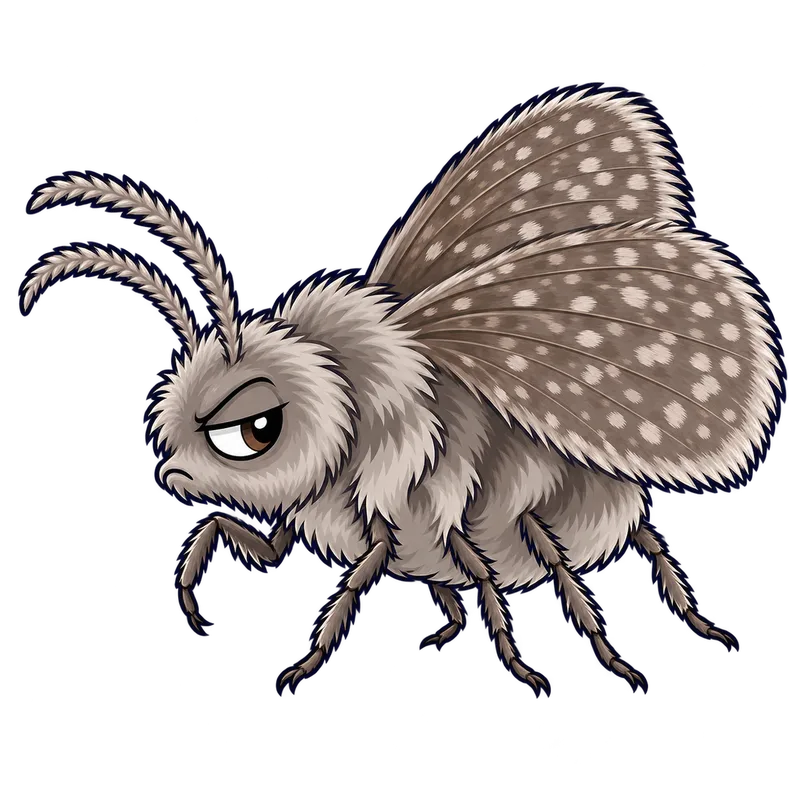
Tiny dark insects in a bathtub are moisture-seeking indoor pests like drain flies, booklice, silverfish, or carpet beetle larvae. The exact visitor depends on what is attracting them, such as organic film in plumbing, microscopic mold on damp grout, or shed human hair and lint near the floor.
What is actually going on
You walk into the bathroom late at night, flip on the overhead light, and notice a few tiny specks scuttling across the white porcelain of the bathtub. It is a startling little discovery when you are only trying to brush your teeth, and your first thought is usually wondering how on earth bugs found their way into a sealed basin.
The short answer is that tiny dark insects in a bathtub are almost exclusively moisture-seeking indoor pests. They are not blood-sucking parasites, and none of them live in human skin or hair. When you spot them, you are usually looking at one of a few common culprits. They are either adult drain flies emerging from the gunk inside your plumbing, tiny booklice grazing on microscopic mold in the damp grout, silverfish hunting for humidity along the baseboards, or carpet beetle larvae that wandered in while foraging for shed human hair and lint.
Bathrooms create a unique micro-environment inside a house. They trap relative humidity, collect condensation, and hold onto stray organic matter like soap scum and loose hairs. Each of these pests occupies a very specific niche in that damp ecosystem. Drain flies emerge from the gelatinous organic film lining drain pipes. Booklice feed on microscopic fungi growing on damp caulking. Silverfish are fast, nocturnal runners that love cool, damp surfaces around plumbing. Carpet beetle larvae crawl into tubs while foraging for the hair and dander that collects near bathroom floors.
None of these creatures pose a medical emergency, but finding them means your bathroom is offering up something they need, which is usually moisture, mold, or organic debris. Identifying the specific visitor is the only way to figure out what needs fixing.
How to tell for sure
You do not need an entomology degree or a laboratory microscope to figure out what is crawling around your tub, but you do need to look closer than a quick glance from the doorway. Most of the time, a careful visual inspection with the unaided eye is enough to narrow it down, though a simple pocket magnifying glass helps with the smaller critters.
Drain flies usually look like tiny, fuzzy moths. They measure about 1.5 to 5 mm long, feature dark, heavily haired bodies, and hold their broad, leaf-shaped wings roof-like over their backs when they rest. If you see them sitting still on the porcelain, they usually came straight up from the drain. You can confirm this with a simple overnight test. Take a strip of clear packing tape and press it sticky-side down right across the drain opening before you go to bed, leaving tiny gaps for air. In the morning, check the underside of the tape. If adult flies are stuck to the adhesive, you have definitively confirmed that specific fixture as the breeding source.
Booklice, also known as psocids, are a different story. They are microscopic, measuring only 1 to 2 mm, soft-bodied, and wingless, ranging from translucent white to tan or dark brown. You can usually spot them grazing on damp caulking or tile grout where microscopic mold grows.
Silverfish are much larger, measuring 8 to 13 mm long. They are carrot-shaped, wingless, and covered in shiny silver or dark gray scales with two long antennae and three tail-like appendages at the rear. They move in a distinctive, darting wiggle across dry or damp surfaces.
Carpet beetle larvae usually measure 2 to 5 mm long, with an oval or elongated body covered in dense brown bristles. They are usually found crawling up the sides of the tub after foraging for hair, skin flakes, and lint trapped under nearby vanity cabinets.
What usually comes next
Once you know what you are looking at, your next practical decision is simple: stop treating the symptom with quick fixes and target the actual source of the problem.
If your clear-tape test proved you are dealing with drain flies, your instinct might be to grab a bottle of household bleach or liquid drain cleaner and pour it down the pipe. Do not bother. Bleach is a thin liquid that flows right past the thick, water-resistant gelatinous biofilm where drain fly larvae live, leaving them completely undisturbed. You have to physically scrub the inside walls of the drain pipe below the grate using a stiff, bent-wire drain brush to break up that matrix before any cleaner will work.
If your inspection points instead to booklice or silverfish, pouring anything down the drain is a waste of time because the issue is ambient moisture. These pests thrive where relative humidity climbs above 50% and mold can take root. Mechanical dehumidification is your most effective control method here. Lowering indoor humidity and keeping the bathroom well-ventilated during and after showers starves mold of the moisture it needs, which in turn starves the booklice. Fixing a leaky faucet or re-caulking a deteriorating tub seam stops the cycle at the root. Make your choice based on the bug, and skip the chemical sprays entirely until you have dealt with the underlying moisture or biofilm.
When to get help
While most bathroom bug situations can be resolved with basic sanitation and moisture control, certain scenarios call for outside help.
If you have scrubbed your drain pipes mechanically with a wire brush for several days and your clear-tape test still shows fresh drain flies emerging, you usually need to call a licensed plumber. Persistent flies often indicate a broken waste line, a leaking subfloor, or a damaged vent pipe hidden inside wall voids where organic matter continues to collect out of reach.
If carpet beetle larvae or silverfish populations continue to spread across multiple rooms, wall voids, or subfloors despite your best cleaning efforts, it is time to bring in a licensed pest management professional. Chemical treatments inside structural wall voids belong strictly to trained applicators who know how to handle them safely.
On the health side, remember that drain flies, booklice, and silverfish do not bite humans, do not drink blood, and do not transmit diseases. However, heavy infestations of carpet beetle larvae can sometimes trigger contact dermatitis or skin bumps when human skin comes into contact with their shed bristles, and dense booklice debris can aggravate respiratory allergies in sensitive individuals. If you experience persistent skin irritation, rashes, or respiratory distress, stop trying to diagnose the mark yourself and consult a qualified primary care clinician or dermatologist for proper medical guidance.