
Why are water bugs in a shower?
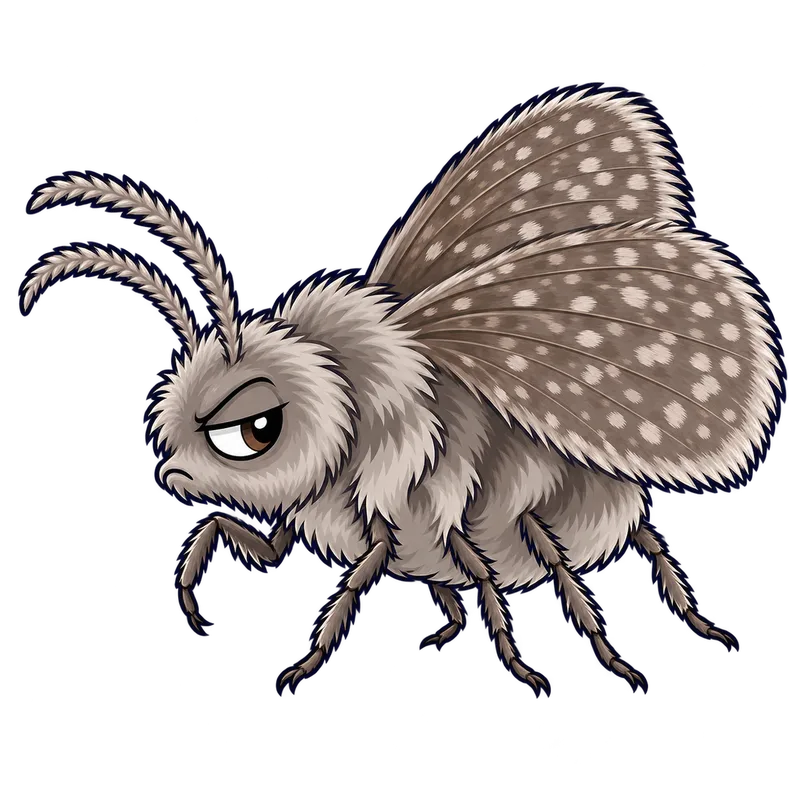
Water bugs in a shower are actually land dwelling or pipe dwelling scavengers like drain flies, booklice, silverfish, or mold mites. These pests are drawn to the bathroom because spikes in humidity and everyday residues like soap scum and mold provide them with warmth, moisture, and an endless food supply.
What is actually going on
You walk into the bathroom barefoot to brush your teeth, flip on the overhead light, and notice a tiny speck scuttling across the damp white grout or a fuzzy insect clinging to the shower glass. It startles you mostly because it appeared out of nowhere in a room you cleaned just yesterday. You probably call it a water bug, but what is actually visiting your shower depends entirely on which crevice it crawled out of.
In everyday speech, people use the term water bug as a catch-all for several distinct creatures that love moisture. You might be looking at drain flies breeding deep inside the plumbing pipes, tiny soft-bodied booklice feeding on microscopic mold along the wall, fast-moving silverfish hunting for starch near the baseboards, or mold mites swarming over damp tile ledges.
Showers are essentially luxury resorts for these pests. Every time you turn on the hot water, the bathroom humidity spikes, and the room holds onto that warmth for hours. Couple that humid air with everyday residues like shed skin cells, stray hairs, soap scum, and invisible films of mold growing in the corners, and you have provided both free housing and an endless buffet.
The biggest misconception is that these critters are swimming up through your clean tap water. They are actually land-dwelling or pipe-dwelling scavengers that either migrate through unsealed gaps around your plumbing pipes or hatch from organic sludge hiding right beneath the drain grate.
How to tell for sure
If you want to know what you are dealing with, you have to look closely at how the bug moves and what it looks like. Drain flies look like tiny, fuzzy moths with dark gray wings held in a tent shape over their bodies, and they make weak, fluttering hops when disturbed.
Booklice show up as tiny, pale crawling specks measuring just a millimeter or two long, and they tend to congregate right on damp tiles or sweating pipes where mold spores are starting to grow. Silverfish look entirely different because they have a teardrop or carrot-shaped body with a metallic silver sheen, darting across the floor in fast, horizontal bursts.
Mold mites are so small they look like moving dust, appearing in swarms near damp grout or under the sink where the air is stagnant. Carpet beetle larvae sometimes show up in shower corners too, looking like tiny, bristly brown worms that feed on accumulated hair and organic lint.
If you suspect drain flies are emerging from your plumbing, you can confirm it with a simple test before bed. Dry the drain opening completely, and place a strip of clear packing tape sticky-side down across the center of the drain grate, leaving small gaps at the sides for air. If flies are breeding in the pipe, you will find them stuck to the adhesive underside the next morning.
What usually comes next
Your main practical choice comes down to picking between a surface wipe and a real moisture overhaul. If you only spray the bugs you can see, they will just return because their breeding ground remains untouched.
When you confirm drain flies with your overnight tape test, pouring household bleach down the drain does not work. Bleach simply slides over the slimy organic coating inside the pipes, leaving the larvae safe underneath. You need to physically scrub the interior pipe walls with a stiff, bent-wire drain brush to break up that gelatinous film, and then follow it with an enzymatic drain cleaner for a few consecutive nights.
When your visitors are booklice or mold mites, cleaning the surface tiles only buys you a few days if the room stays damp. You have to lower the indoor humidity by running your exhaust fan during showers and leaving it on for a while afterward, or by bringing in a portable dehumidifier to pull moisture out of the air. Keeping the air that dry takes away the dampness the pests need to survive.
When to get help
Most shower moisture pests do not bite, sting, or carry infectious human diseases, but heavy populations of booklice and mold mites shed microscopic skins and waste fragments that can trigger allergies or aggravate asthma in sensitive people. If you or someone in your home experiences unexplained skin rashes, severe respiratory distress, or persistent symptoms, you should consult a licensed physician or visit an urgent care facility rather than focusing on pest control.
You should also know when to hand the problem over to a professional plumber or pest control operator. If your drain flies keep emerging week after week despite thorough scrubbing and enzymatic treatments, you likely have a broken pipe, a cracked subfloor drain line, or a leaking sewer pipe hidden under your slab.
When moisture and mold are trapped deep inside wall voids or beneath built-in shower surrounds, surface drying will not solve the issue. You need professional structural drying or specialized void treatments to stop pests from using those dark gaps as an indoor highway.