
What are tiny bugs in a shower?
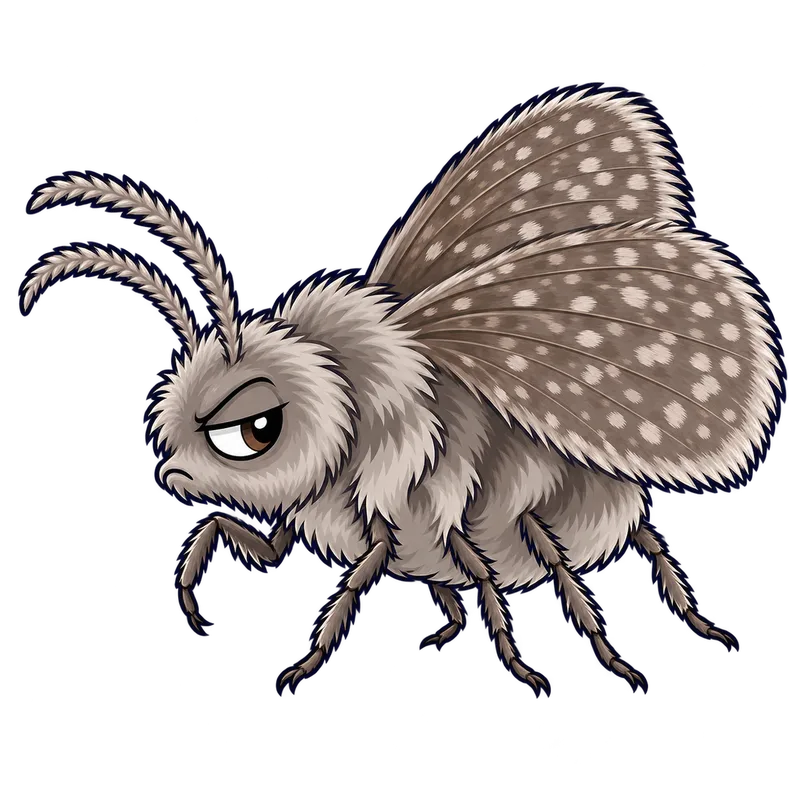
Tiny bugs in a shower are usually drain flies, booklice, mold mites, silverfish, or wandering carpet beetle larvae. They are moisture dependent arthropods drawn to standing moisture, high relative humidity, and microscopic organic food sources.
What is actually going on
You turn on the bathroom light early in the morning, step onto the cold tile, and notice a faint gray smudge shifting across the grout line near the tub. When you lean in closer, you realize that smudge is actually a restless cluster of microscopic specks, or perhaps you spot a fuzzy, moth-like insect clinging lazily to the shower wall. It is an unsettling way to wake up, and it naturally makes you wonder how your clean bathroom suddenly turned into a habitat for tiny bugs.
Those uninvited guests are moisture-dependent arthropods. Depending on the exact corner of the bathroom they inhabit, they are usually drain flies, booklice, mold mites, silverfish, or wandering carpet beetle larvae. They are not there to bite you or take over your home. They are simply drawn to the specific micro-climate your shower provides, which includes standing moisture, high relative humidity, and microscopic organic food sources.
Think of your bathroom as a sheltered pocket of the outdoors. Drain flies hatch from a gelatinous slime layer hidden deep inside your plumbing pipes, feeding on trapped hair and skin debris. Booklice and mold mites are minute creatures that feed exclusively on the microscopic mold and fungi sprouting on damp tile grout and sweating water pipes. Silverfish and carpet beetle larvae are slightly larger scavengers that wander in from dark baseboards to graze on stray hairs, skin flakes, and soap residue.
The presence of these tiny creatures tells a clear story about your indoor environment. They are indicators of excess humidity and hidden organic buildup rather than signs of uncleanliness. Once you understand which specific pest you are looking at, you can figure out how to disrupt their micro-habitat and send them packing.
How to tell for sure
Pinpointing the exact pest usually comes down to watching how they move and where you find them. If you see tiny, fuzzy, dark insects that look like miniature moths resting on the shower wall, you are usually dealing with drain flies. They are weak flyers that rarely stray more than a few feet from their breeding ground. To confirm if they are coming directly from your plumbing, you can run a simple overnight test by placing a strip of clear adhesive tape sticky-side down across the drain opening. Any emerging flies will get stuck to the tape by morning.
If the bugs are so small they look like moving dust particles on your tile grout, you are usually looking at booklice or mold mites. Booklice are soft-bodied, translucent white or pale tan insects about the size of a pinhead. They do not fly or jump. Mold mites are even smaller arachnids that usually appear as a shifting, dusty patch near damp silicone sealants or leaking sink bases.
When you spot a fast-moving, carrot-shaped insect with a silvery-gray sheen and long antennae darting into a dark corner, you have found a silverfish. They avoid the light and usually emerge at night to feed on starchy residues or damp paper. On the other hand, if you notice tiny, hairy, caterpillar-like larvae crawling slowly along the bathroom floor cracks or baseboards, they are usually carpet beetle larvae. They wander in search of shed human hair, lint, and dead skin flakes.
What usually comes next
The single most effective decision you can make right now is to stop wasting time and money on chemical sprays or household bleach poured down the drain. Liquid bleach is a thin liquid that simply glides right over the water-resistant slime layer inside your pipes like water off a raincoat, leaving the drain fly larvae safe underneath.
Instead, your primary move should be mechanical removal combined with environmental drying. If you suspect drain flies, grab a stiff, long-handled drain brush and physically scrub the interior walls of the pipe to break apart that organic biofilm. For crawling bugs like booklice and mold mites, your best course of action is to deploy a portable dehumidifier or run your exhaust fan long enough to drive the ambient relative humidity down for at least sixteen consecutive days. Starving these pests of moisture and mold halts their life cycle far better than any aerosol can ever could.
When to get help
While most bathroom bugs are harmless cosmetic nuisances, there are moments when you need to bring in outside help. If you have scrubbed your drains thoroughly and mechanical cleaning has not stopped a persistent wave of drain flies, call a licensed plumber. That ongoing infestation usually points to a hidden pipe fracture, a broken sub-slab drainage line, or a failing shower pan seal leaking behind your walls.
You should also consult a professional pest management company if high pest populations are spreading deep into wall voids, crawlspaces, or attic spaces where you cannot reach them with basic household tools.
On the health side, remember that the shed skins, waste, and dead bodies of mold mites and booklice contain allergenic proteins. In sensitive individuals, breathing in this dust can trigger allergic rhinitis, persistent sneezing, skin irritation, or aggravate asthma attacks. If you or someone in your household experiences severe respiratory flare-ups or persistent skin rashes, stop trying to manage the situation yourself and consult a qualified clinician or allergist immediately.