
What are tiny bugs in a bathroom sink?
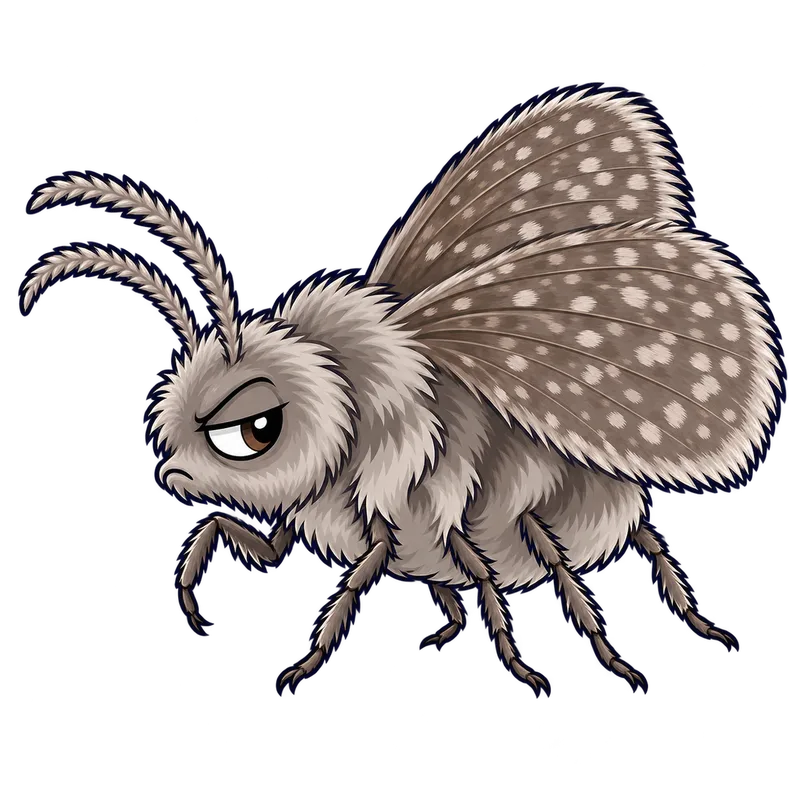
Tiny bugs in a bathroom sink are usually moisture-dependent pests like drain flies, mold mites, or booklice that thrive on humidity, stagnant water, or organic slime in the plumbing. Identification depends on whether you see fuzzy flyers measuring two to five millimeters long or microscopic crawling specks.
What is actually going on
You walk into the bathroom first thing in the morning, reach for the faucet to splash some water on your face, and notice a tiny cloud of fuzzy specks hovering right above the drain. Or maybe you lean in close to brush your teeth and spot a congregation of microscopic white specks crawling across the damp caulk near the handles. Naturally, your first instinct is to wonder how something so small managed to set up housekeeping in a smooth porcelain bowl that gets bleached and scrubbed every week.
What you are looking at is almost never a random visitor from the outdoors. Instead, those tiny bugs in your bathroom sink are moisture-dependent pests drawn to a very specific set of micro-conditions. They usually fall into one of a few distinct groups, and every single one of them relies on humidity, stagnant water, or the invisible film that builds up where you cannot easily see it.
Most of the time, those fuzzy little flyers are drain flies, which do not actually breed in clean water or porcelain at all. They prefer the gelatinous organic slime, think of it as a thick, slippery layer of moss clinging to a river rock, that coats the inside of your drain pipes and overflow channels. That slime protects their eggs from rushing water. If you are seeing tiny crawling specks instead of flies, you are usually dealing with booklice or mold mites feeding on microscopic fungi thriving in the damp air around sweating pipes and failing grout.
How to tell for sure
Identification has to come before any control attempt, because dumping random chemicals down a dry vanity trap solves nothing if the pests are actually mold mites munching on mildew behind the baseboards. You usually need to look at physical form and exact location to know what you are dealing with.
Drain flies usually sit quietly on the porcelain or hover weakly near the drain opening. They measure about two to five millimeters long and look like miniature, fuzzy moths because their bodies and wings are covered in tiny hairs. To confirm whether they are actually emerging from your plumbing, try the clear-tape drain test. Before you go to bed, stretch a piece of clear adhesive tape sticky-side down across the drain opening, leaving tiny air gaps at the edges. If you wake up in the morning to find adult flies stuck to the underside of the tape, your drain pipe is officially an active breeding site.
Crawling pests require a slightly closer look to understand. Booklice are tiny, soft-bodied, wingless insects measuring less than two millimeters across, and they usually have a wide head with a prominent, bulging nose-like structure. Mold mites are even smaller, looking like a pinch of fine, moving gray or white dust sprinkled near the faucet base. If you watch those specks closely for a few seconds and notice they are actually drifting across the surface, you are looking at mites. Silverfish are much larger, measuring up to half an inch, with carrot-shaped bodies covered in shiny silvery scales and three distinct tail-like appendages. They usually only pop up in sinks overnight while searching for moisture or starch-based materials like soap residue and paper sizing.
What usually comes next
Your single most practical decision right now is to stop reaching for the bottle of household bleach. Pouring bleach down the sink is a common ritual, but it usually fails because the harsh liquid simply glances off the water-resistant biofilm lining the pipe, leaving the wriggling larvae safely tucked away inside the slime.
Instead of chemical shortcuts, focus on mechanical disruption and environmental desiccation. If your overnight tape test confirmed drain flies, grab a stiff, flexible wire drain brush and physically scrub the interior walls of the pipe to break apart that slippery biofilm, then follow up with an enzymatic drain cleaner for a few consecutive days to digest the leftover organic scum. If your visitors are booklice or mold mites, your main job is to dry out the bathroom by running the exhaust fan continuously or deploying a dehumidifier, because dropping the relative humidity below fifty percent removes the micro-molds they feed on and naturally stops the infestation in its tracks.
When to get help
None of the primary bathroom sink pests, whether they are drain flies, booklice, mold mites, or silverfish, bite humans, transmit infectious diseases, or feed on living human tissue. However, heavy populations of mold mites or booklice can produce cast skins and fine particulate debris that occasionally trigger or aggravate asthma and allergic respiratory reactions in sensitive occupants. If anyone in your household experiences persistent skin irritation or suspected bite marks, consult a qualified clinician, urgent care service, or dermatologist for a proper medical evaluation.
You should also look beyond the sink basin if your DIY efforts fail to yield results. If drain fly emergence continues unabated after thorough mechanical scrubbing and enzymatic treatment, the breeding source is usually an inaccessible plumbing failure, such as a cracked sub-floor drain pipe or a leaking wax ring, which requires a licensed plumber to track down and repair. Likewise, if insect populations extend deep into wall voids or structural areas, or if chronic moisture has started rotting wooden framing and compromising drywall, bring in a licensed pest management professional and a general contractor to address the underlying structural damage.