
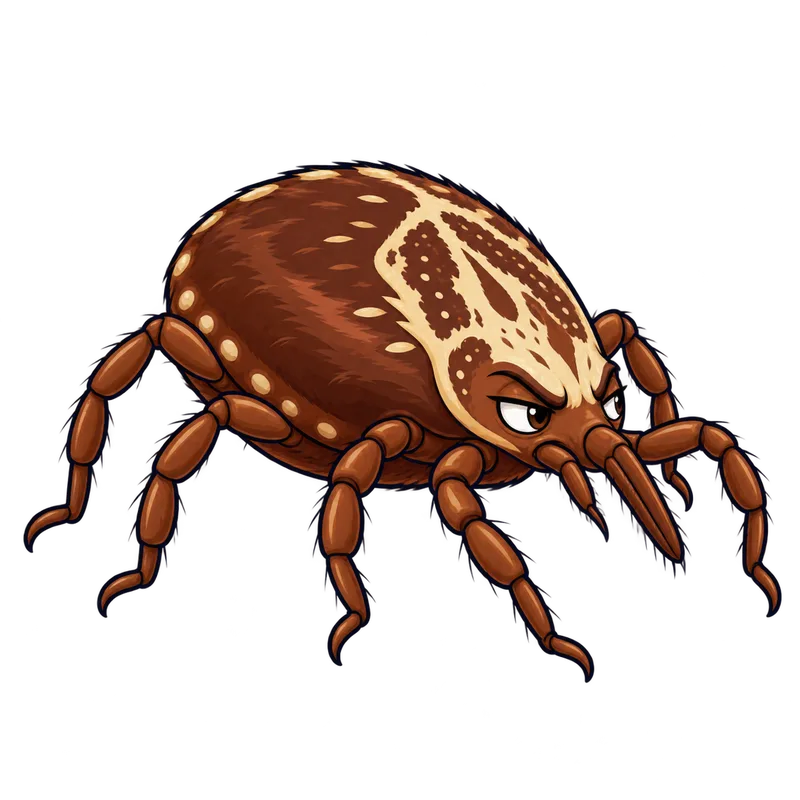
Gulf Coast tick
Amblyomma maculatum
- Size
- Not established
- Color
- Dark brown female with white scutum; patterned male
- Habitat
- Coastal prairies, brush, and woodland edges
- Diet
- Blood of vertebrate hosts
- Life cycle
- 3-host hard tick development
If you are trying to figure out what just hitched a ride home from the pasture, you are looking at Amblyomma maculatum, better known as the Gulf Coast tick. Getting a positive ID on this critter takes a little more than a casual glance. You need a hand lens or a microscope providing 10x magnification to inspect the capitulum, which is the technical term for the false head and mouthparts assembly.
Identity
This tick is built with notably long mouthparts, meaning the palps and hypostome extend well past the base of the head. That single structural feature sets it apart from shorter-mouthed ticks you might stumble across in the same grassy fields. The hard dorsal shield, or scutum, features distinct ornamentation. Adult females sport a solid white scutum right behind the head against a dark brown body, while adult males wear a striking black-and-white patterned scutum that covers the entire upper surface of the abdomen. Both sexes walk around on plain brown legs that lack any pale bands or rings.
Habitat & behaviour
You will not find these ticks crawling out of your baseboards or nesting in your sofa. The Gulf Coast tick is strictly an outdoor animal, living a free-range life in grassy fields, coastal prairies, overgrown brush, and woodland edges where wildlife and livestock hang out. Its native range covers the southeastern and south-central United States, with expanding records into mid-Atlantic regions, alongside populations in Mexico and Central America.
Instead of chasing down a meal, they employ a patient strategy called questing. A questing tick climbs up low vegetation or blades of grass, usually stopping around fifty centimeters off the ground, and stretches out its front legs. When a passing dog, cow, or human brushes against the plant, the tick transfers over in an instant. Once it finds a feeding spot on the skin, it inserts its mouthparts and secretes an adhesive protein cement within the first five to thirty minutes to lock itself securely in place. Questing and adult feeding activity ramp up during the warmer months of spring and summer.
Visual variations
Since these arachnids do not have wings or form social colonies with queens and workers, they grow up the hard way. They cycle through four separate life stages, beginning as an egg, hatching into a six-legged larva, molting into an eight-legged nymph, and finally reaching full adult size.
The differences between the sexes come down to markings and how much they change after a meal. An unfed female carries a dark brown, stretchable belly wall called the alloscutum right behind her white front shield, but that look does not last. Once she mates and hooks up to a host, she goes through a massive feeding frenzy, expanding up to one hundred to two hundred times her original weight in just four to fifteen days. That sudden flood of blood stretches her belly so tight that her body proportions warp and her shield markings disappear entirely. The male keeps a low profile and stays flat throughout his adult life, proudly showing off his black-and-white patterned shield across his back without ever ballooning up.
Why it matters
Spotted crawling on you, your dog, or your livestock, this tick demands a prompt and careful response. Grab a pair of fine-tipped tweezers, pinch the tick right at the skin line, and pull straight up with steady pressure. Forget about twisting, burning, or squeezing the body, because those old tricks just stress the tick out and pump more potentially infectious spit into the wound.
Beyond the hassle of a bite, this species acts as the main carrier for Rickettsia parkeri, the bacterium that causes a form of spotted fever rickettsiosis. Signs usually show up two to ten days after the bite, bringing on fever, fatigue, headaches, muscle aches, swollen lymph nodes, and a distinct dark, scab-like sore called an eschar right where the bite happened. Staying attached too long can also trigger tick paralysis from neurotoxins. A skin reaction, a photograph, or a rash can never provide a definitive pest identification, and product label directions govern all chemical uses by law. Anyone dealing with a fever, an eschar, or nerve symptoms after a bite needs to see a doctor or urgent care clinic right away, while sick or infested animals should go straight to a qualified veterinarian.
Similar species
 Rocky Mountain wood tickDermacentor andersoni
 Asian longhorned tickHaemaphysalis longicornis
 Castor bean tickIxodes ricinus
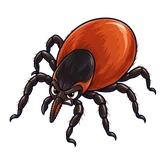 Blacklegged tickIxodes scapularis
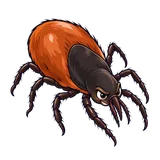 Western blacklegged tickIxodes pacificus
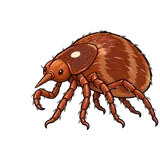 Lone star tickAmblyomma americanum