
How do you prevent ticks in your yard?
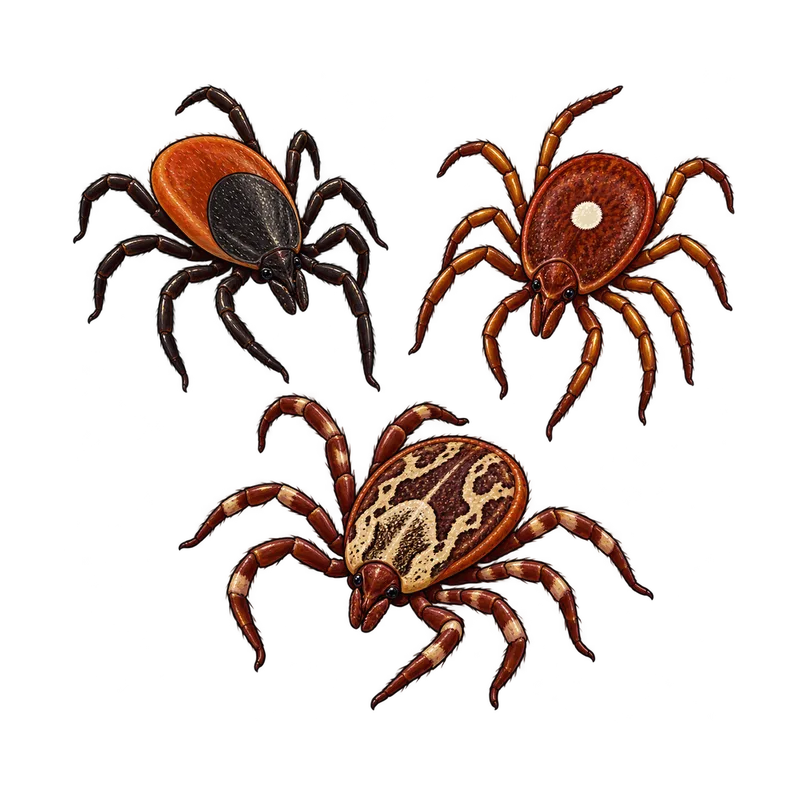
You prevent ticks in your yard by making your landscape hostile to them through smart maintenance and dry barriers. Ticks need shade and dampness to survive, so you should keep your grass trimmed low, clear out rotting leaf piles, and put down a three-foot-wide strip of gravel or wood chips to block them.
What is actually going on
You are walking across the back lawn in your bare feet to grab the garden hose, and you suddenly wonder how many tiny, eight-legged hitchhikers are waiting in the tall grass near the property line. Preventing ticks in your yard is not about turning your entire property into a sterile concrete slab, but rather about making your landscape as hostile to them as possible. Ticks are fragile creatures that need specific, sheltered conditions to survive. When you understand what they need to stay alive, keeping them away from where your kids and dogs play becomes a straightforward matter of home maintenance.
Hard ticks cannot jump, fly, or drop out of oak trees onto your head. Instead, they practice a waiting game called questing, where they climb onto grass blades or low brush, wave their front legs in the air, and wait for a passing host to brush against them. Because they lack active water retention mechanisms, they suffer rapid desiccation in dry, open spaces. If the sun bakes your lawn and the wind dries out the soil surface, ticks cannot survive there for long. They need dampness and shade to keep from drying out.
This means a tick-safe yard is essentially a dry yard. If you have dense shrubs crowding your foundation, thick piles of rotting leaves against the fence line, and grass that only gets mowed when the neighbors start complaining, you are running a five-star hotel for ticks. By changing the microclimate of your yard through basic landscape care, you cut off the moisture and humidity they need to hang around.
Beyond basic yard work, wildlife hosts play a massive role in bringing ticks onto your property in the first place. Mice, voles, deer, and other wild mammals carry ticks right past your back door, dropping them off as they forage. An effective prevention plan combines smart landscaping, physical barriers that stop wildlife and ticks from crossing over, and occasionally targeted perimeter treatments when pest pressure gets out of hand.
Hard ticks depend entirely on ambient relative humidity because their bodies lack active water retention mechanisms. When humidity drops in open, sun-baked areas, ticks lose body water too quickly and must retreat to damp microclimates. This is why you find them concentrated in shaded leaf litter, overgrown brush lines, and dense ground covers where moisture stays trapped near the soil surface. They do not drop from the canopy above, but rather crawl upward onto low vegetation, holding their front legs ready to latch onto any warm-blooded animal that brushes past.
How to tell for sure
Before you start spraying or tearing out bushes, you usually want to confirm what you are dealing with, though yard prevention is generally about stopping the pests before you spot them. Hard ticks go through three distinct life stages, which include six-legged larvae, eight-legged nymphs, and adult ticks. The nymphs are the ones that usually catch people off guard because they are tiny, often measuring only one to two millimeters across, roughly the size of a poppy seed. Adults are larger and much easier to spot on clothing or pets.
You will generally find these unwelcome visitors hanging out right where your tidy grass gives up and meets the wild woods, tall weeds, or a messy pile of brush. If you happen to spot crawling biters on your indoor furniture or pets, you are probably dealing with a completely different house guest instead of regular outdoor ticks. The brown dog tick is the one exception, since it actually enjoys setting up indoor housekeeping inside kennels or houses. For most yards, your main concern stays focused on the local hard ticks that carry regional illnesses, such as blacklegged ticks in the Northeast or castor bean ticks across parts of Europe.
People constantly mix up small biting insects or mites with ticks. Chiggers, bird mites, or flea bites bring plenty of skin irritation, but they live entirely different lives and demand completely different solutions. When you pluck a tiny dark speck off your skin after pulling weeds, check for the jointed legs and teardrop shape of a tick. If you see no legs or just a flat red spot left behind by a plant mite, you are looking at an entirely different culprit.
What usually comes next
When you decide to take charge of your yard, your smartest first move is to build a distinct border between your family living areas and the wild brush where ticks love to hide. Instead of wasting your Saturday spraying chemicals over every inch of turf, focus on putting down a three-foot-wide strip of dry wood chips, bark, or gravel right where your grass meets the tree line. Ticks hate dragging themselves across dry, hot, coarse materials. That simple band of gravel acts like a dry moat, blocking wandering ticks from crossing out of the shade and onto your lawn, swing sets, or patio stones.
You need to match this barrier with a regular mowing routine for the rest of your property. Keep your grass trimmed low so the sun bakes the dirt and dries out the hidden moisture that ticks need to survive. Rake up wet leaves from under your deck and trim up the lower branches of your shrubs to let the breeze move through. By turning your attention to this kind of smart layout, you protect the spots where your kids and dogs play without tearing up your whole yard or turning your property into a chemical zone.
When to get help
There are moments when weekend yard work is simply not enough, or when a mild bug problem turns into a serious health or property issue. If your house backs up against thick, unbroken forest filled with deer and mice, trying to lower the tick population by yourself can feel impossible. In those situations, calling in a licensed pest control professional to put down targeted barrier sprays along your woods is usually the smartest and most reliable choice.
You also need to know when to drop the gardening tools and head to a doctor. If someone in your house gets bitten by a tick, keep a close eye on the spot for the next few weeks. Head straight to a physician or urgent care clinic if a growing red bullseye mark appears, or if you run a fever, feel wiped out, or notice swollen lymph nodes and aching muscles. Neurological signs like facial drooping or dizzy spells after a tick encounter call for immediate medical attention. Finally, if you live in eastern Australia and find the native paralysis tick, do not grab it with regular tweezers, because squeezing the body can push a dangerous neurotoxin into your skin. Follow local health rules to freeze or kill those specific ticks right where they are before you pull them out, and see a doctor right away if any paralysis signs start to show.