
Where do lone star ticks live?
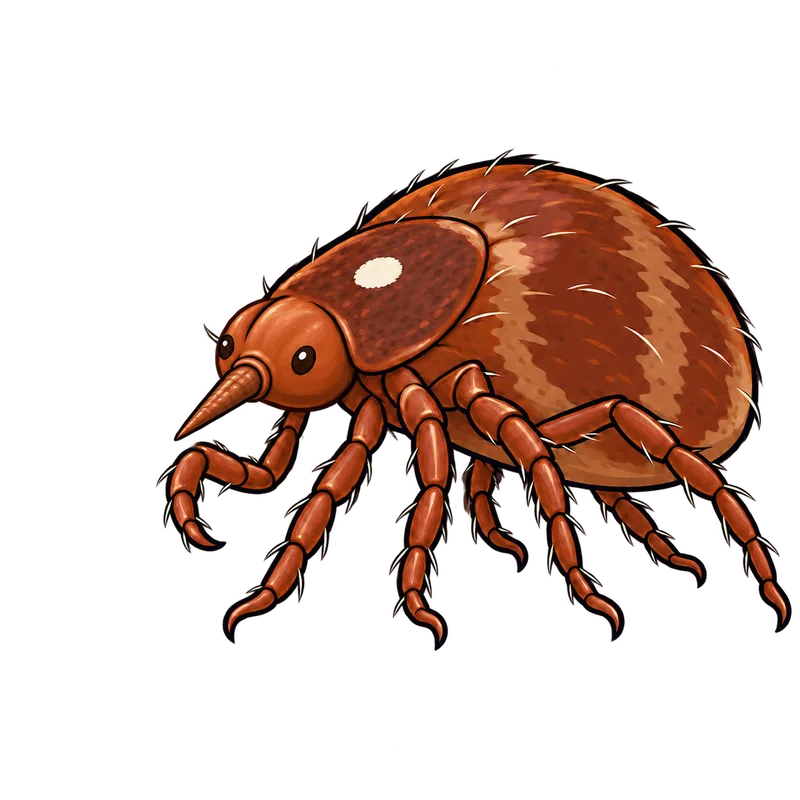
Lone star ticks live across the southeastern, south-central, and midwestern states, while also pushing up the eastern seaboard and into parts of the northeast and central plains. They thrive in messy margins where woods meet open ground, including dense brush, overgrown grassy fields, and forest understories that trap moisture.
What is actually going on
You are walking the dog down that narrow woodland trail behind the neighborhood, brushing past knee-high ferns and damp leaf litter, and when you get back home, you notice a tiny speck making its way up your wool sock. If you live in the United States, that aggressive little hitchhiker is often a lone star tick, scientifically known as Amblyomma americanum. These creatures are native to North America and are heavily concentrated across the southeastern, south-central, and midwestern states, though you will also find them pushing steadily up the eastern seaboard and into parts of the northeast and central plains.
People often picture ticks lurking deep in pristine, untouched wilderness, but lone star ticks prefer the messy margins where woods meet open ground. They thrive in dense brush, overgrown grassy fields, and forest understories that trap moisture and offer a steady supply of hosts. Adult ticks rely heavily on white-tailed deer to complete their reproductive cycle, while the smaller immature stages feed on anything from mice and ground-dwelling birds to medium-sized mammals. You might wonder how they manage to find you if they do not jump or fly. They use a behavior called questing, which is essentially waiting for a commuter train. A lone star tick climbs up a blade of grass or a twig, stretches out its front legs, and stays put until it detects the carbon dioxide, body heat, and vibrations of a passing human or animal. Once you brush past that plant, the tick simply transfers to your clothing or skin and starts walking upward to find a sheltered place to feed.
Telling a lone star tick apart from other common ticks usually comes down to spotting a single, unmistakable feature on the adult female. If you look at her under good lighting or a magnifying glass, you will usually see a bright white or silver dot right in the middle of her dark brown back, which looks remarkably like a tiny dab of correction fluid or a single star, hence the name. Males, on the other hand, lack that central white spot entirely and instead feature scattered white markings around the outer edge of their dark shields. Nymphs and larvae are a different story because they lack that adult female marker. Nymphs are about the size of a poppy seed with eight legs, while tiny six-legged larvae often hatch in massive clusters called seed tick swarms, covering your boots in hundreds of pinhead-sized specs after you brush against an egg mass in the brush. In regions where these ticks are expanding their territory, people usually mistake them for blacklegged deer ticks or American dog ticks until an expert or a close-up photo reveals the distinct mouthparts and body shape.
How to tell for sure
People often think they can name the tick by looking at the resulting mark or rash on their skin, but that is rarely a dependable approach. Lone star ticks are well known for causing a spreading circular rash often called STARI, which looks very much like the classic Lyme disease bullseye, yet skin reactions differ greatly from person to person. Never try to identify a tick or a medical condition by examining a mark on your skin. When you find a lone star tick attached to your body, your first job is safe removal, and the only proven method is pulling it straight out with a pair of fine-tipped tweezers. Leave behind the old tricks involving hot matches, nail polish, or smothering the insect in petroleum jelly. Those methods only stress the tick and cause it to empty its stomach contents right into your skin, which raises your risk of catching whatever pathogens it might carry.
What usually comes next
Take your fine-tipped tweezers and place them right against your skin, grasping the tick as close to its mouthparts as you can. Pull straight up with a firm, even motion, avoiding any twisting or jerking that might leave the mouthparts behind in the flesh. After the tick is removed, clean the bite spot thoroughly with soap and water or rubbing alcohol, then drop the tick into alcohol or seal it tightly in tape before tossing it in the trash. You might feel tempted to send the removed tick away to a testing company to check for disease. That choice tends to cause more worry than peace of mind. Finding a pathogen in the tick only tells you what the insect was carrying, not whether it managed to pass it into your bloodstream during the time it spent feeding. Your attention belongs on how you feel over the next couple of weeks rather than waiting on lab reports about a bug.
When to get help
Many tick bites result in a small, itchy red bump that disappears in a day or two, much like a mosquito bite, but certain signs call for an immediate visit to a doctor. If you run a sudden high fever, experience a pounding headache, muscle aches, exhaustion, or a spreading rash in the two weeks following a bite, seek medical care right away because these can point to ehrlichiosis, tularemia, or other illnesses carried by lone star ticks. There is also a specific health condition linked directly to this tick known as alpha-gal syndrome, which creates a delayed allergic reaction to mammalian meat and dairy products. If you notice strange hives, stomach cramps, nausea, or swelling two to six hours after eating beef, pork, lamb, or cheese, make an appointment with a clinician for proper testing and advice. Any signs of a severe allergic reaction, such as trouble breathing or tightness in the throat, mean you must call emergency services at once. If you are facing a heavy buildup of ticks around your lawn or the edge of your woods, clearing the property calls for a different kind of help. Applying chemical barrier sprays or granular treatments to thick brush and wooded borders is work for a licensed pesticide applicator who understands how to follow product labels safely and effectively without hurting helpful wildlife or running off into local water supplies.