
What is the connection between lone star ticks and alpha-gal syndrome?
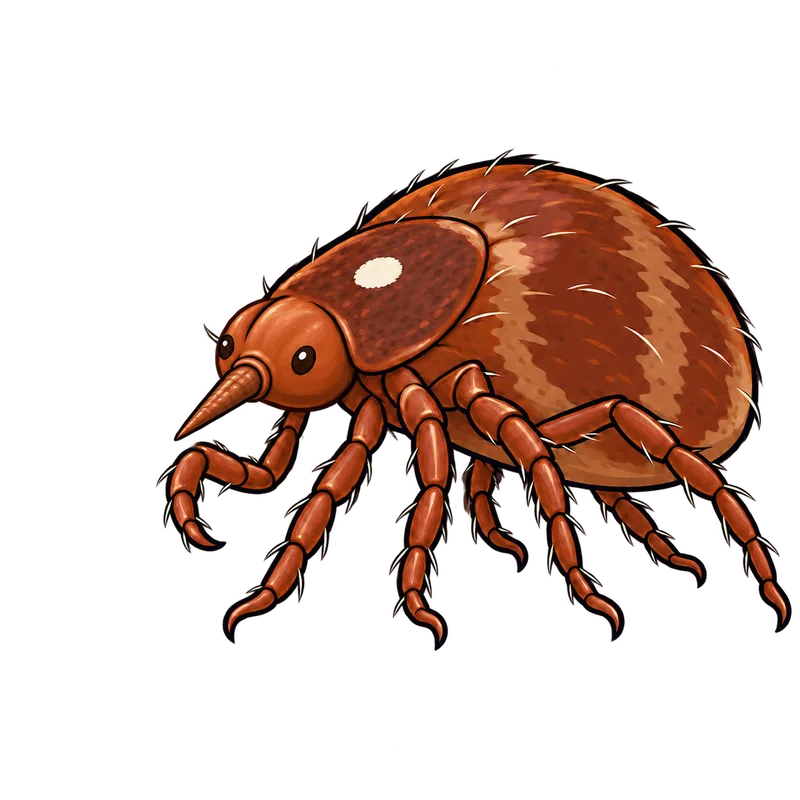
Lone star ticks cause alpha-gal syndrome by injecting a sugar molecule into the skin during a bite. This foreign sugar causes your immune system to create specific antibodies, which later triggers a delayed allergic reaction two to six hours after eating mammalian meat.
What is actually going on
You are sitting at the kitchen table on a Tuesday morning, staring at a plate of leftover steak and wondering why you spent half the night wide awake with a churning stomach and a sudden blanket of itchy hives. It sounds like a bizarre plot twist, but if you live in parts of the United States where the lone star tick calls home, that quiet evening burger could be linked to an encounter with an arachnid weeks ago. You are not dealing with a typical food poisoning bug or a standard peanut allergy that strikes the moment you swallow. Instead, you are looking at alpha-gal syndrome, a peculiar and delayed allergy to mammalian meat that starts with a tick bite.
The connection comes down to a sugar molecule called galactose-alpha-1,3-galactose, or alpha-gal for short. Most mammals carry this sugar in their tissues and blood, but humans, apes, and Old World monkeys stopped producing it millions of years ago. When a lone star tick feeds on a deer, a cow, or a wild rodent, it picks up some of these alpha-gal molecules along the way. Later, when that same tick bites a human, it injects a bit of its saliva into the skin. That saliva carries the retained animal sugar, and your immune system spots the foreign molecule and decides to launch a full defense by creating specific antibodies against it.
Once your immune system is sensitized in this way, eating mammalian meat or animal-derived products triggers an allergic reaction. But here is the part that catches most people off guard: it does not happen right away. While a shellfish or peanut allergy usually makes your throat tighten within minutes, an alpha-gal reaction takes its time. It typically shows up two to six hours after you finish eating. That delay happens because the glycolipids and glycoproteins from the meat have to go through your digestive system and enter your bloodstream before they can bind to those antibodies and wake up your immune cells.
People often wonder why a tick bite would cause a food allergy of all things, assuming it must be some kind of stealthy bacteria or virus being passed around. It is not an infection at all. The tick is simply acting as an accidental courier for a carbohydrate antigen, turning your own immune system against the steaks and chops in your fridge. It cannot be caught from another person, and taking a course of antibiotics will not clear it up because there is no pathogen to kill.
How to tell for sure
Trying to figure out if you have been bitten by the right tick or if your symptoms truly stem from alpha-gal syndrome usually requires looking closely at both the physical evidence on your skin and the timeline of what you eat. The lone star tick gets its common name from a very distinct visual marker on the adult female. If you look at one under a magnifying glass, you will usually see a single, neat dot of white or yellowish paint right in the center of its dark brown shield. Males do not have that solid spot, but they often feature scattered white markings around their edges.
Spotting the tick is one thing, but identifying the allergy itself is entirely different. You cannot diagnose alpha-gal syndrome by looking at a red bump or a bite mark on your arm. Skin lesions and localized itching from insect bites vary wildly from person to person, and a photograph of a red welt will never tell you whether your immune system is producing anti-alpha-gal antibodies. If you suspect your midnight stomach aches and hives are tied to this condition, the only reliable way to know for sure is through a clinical assessment.
That assessment usually starts with a primary care doctor or a board-certified allergist who will take a detailed history of your symptoms and meals. They can run a specific blood test to measure the level of IgE antibodies directed against alpha-gal. If those antibody levels are elevated and match your delayed reactions to beef, pork, lamb, or dairy, you have your answer. For a definitive identification of the tick itself if you managed to save it in a sealed container, a medical entomologist or a university extension specialist usually needs to review the intact specimen under magnification.
What usually comes next
When you realize that a tick bite can alter what you can safely eat for months or even years, the most practical decision you can make is to change how you handle outdoor exposure and tick removal. Prevention is your first line of defense. If you have to walk through tall grass, brush, or wooded areas where ticks love to wait for a passing host, stick to the center of cleared trails and wear light-colored clothing that makes these tiny pests easy to spot against the fabric. Tucking your trouser legs into your socks stops them from crawling up your legs, and treating your boots and outerwear with a permethrin spray adds an extra layer of protection.
If you find an attached tick during your post-outdoor inspection, how you remove it matters tremendously. Do not reach for the kitchen matches, petroleum jelly, or nail polish to try and suffocate or burn the bug. Those folk remedies only stress the tick out, causing it to regurgitate its stomach contents and saliva straight into your skin, which increases your exposure to both allergens and pathogens. Instead, grab a pair of fine-tipped tweezers.
Grasp the tick as close to your skin surface as possible right around its mouthparts, and pull straight upward with steady, even pressure. Avoid twisting or jerking, which can snap the mouthparts off in the skin. Once the tick is out, wash the bite site thoroughly with rubbing alcohol or soap and water. Drop your outdoor clothes into a hot dryer for at least twenty minutes to kill any crawling ticks you might have missed. Taking these steps wont cure an existing allergy, but it stops you from getting re-sensitized by future bites, which is often the key to letting your antibody levels eventually decline.
When to get help
Alpha-gal syndrome is a serious medical condition that demands professional oversight, especially because the reactions can escalate quickly from mild discomfort to life-threatening emergencies. If you ever experience difficulty breathing, tightness in your throat, swelling of your lips, tongue, or mouth, dizziness, or a sudden drop in blood pressure after eating mammalian meat or dairy, treat it as a medical emergency. These are classic signs of anaphylaxis, and they require immediate emergency care and the administration of epinephrine.
Anyone who notices a recurring pattern of delayed allergic symptoms, hives, or severe gastrointestinal distress a few hours after eating red meat needs to schedule an appointment with a clinician or an allergist. Self-diagnosis based on internet forums or food elimination experiments is risky, and navigating a restricted diet that cuts out beef, pork, lamb, and sometimes dairy or gelatins requires proper nutritional guidance.
Local public health agencies and university extension offices are the right authorities to consult for managing tick populations around your property. Never try to guess your allergy status from a smartphone photo of a bug bite, and always leave medical testing and dietary management in the hands of qualified healthcare professionals.