
How can you help prevent ticks on dogs?
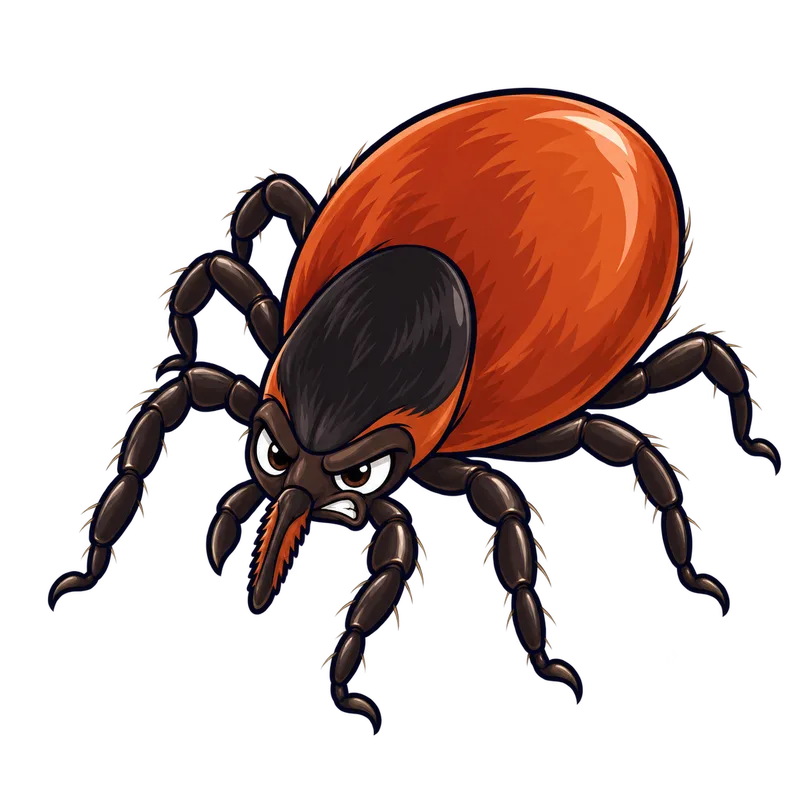
Preventing ticks on dogs requires a multi-layered routine that combines veterinarian-prescribed pharmacological protection with daily post-walk physical inspections. Because most systemic treatments kill the parasite only after it takes a blood meal, you also need to use basic yard maintenance to shrink their outdoor territory.
What is actually going on
You get back from a walk through the neighborhood park, unclip the leash, and lean down to take off your dog's harness. As your fingers scratch behind their ears, you feel a tiny, hard bump that definitely wasn't there this morning. You part the fur and find a tick already anchored to the skin. It is an unpleasant discovery, and it immediately makes you wonder how you can stop this from happening every time your dog steps outside.
Preventing ticks on dogs requires a multi-layered routine because these parasites are remarkably persistent opportunists. Ticks do not jump, fly, or drop from high tree canopies like miniature paratroopers. Instead, they practice what entomologists call questing. A questing tick crawls up a blade of grass or low shrub, usually staying under two feet high, and waits with its front legs outstretched. Think of a hitchhiker standing by the side of the road with an extended thumb, waiting for a ride. When your dog brushes past the foliage, the tick simply transfers directly onto the fur.
Once aboard, the tick does not usually bite right away. It typically spends anywhere from fifteen minutes to a couple of hours wandering through the dog coat looking for thin, warm skin. That window of movement is your best friend. A comprehensive prevention strategy combines veterinarian-prescribed pharmacological protection, daily post-walk physical inspections, careful manual removal if a tick slips through, and basic yard maintenance to shrink their outdoor territory.
It is easy to assume that buying a popular chewable preventive creates an invisible shield that stops ticks from ever touching your dog. In reality, most systemic preventatives and topical treatments work by killing the tick after it attaches and takes a blood meal. That is why chemistry alone is rarely enough. Those wandering hitchhikers can easily crawl off your dog onto your living room rug or bed before the medication finishes the job, which makes physical grooming an absolute necessity.
Ticks are blood-feeding parasites that rely entirely on vertebrate hosts to complete their life cycles. They do not hunt or chase animals. Instead, they wait passively in the environment until a passing dog or human brushes against them. Hard ticks, which are the ones most commonly found on dogs, climb onto low vegetation and extend their front legs to detect heat, carbon dioxide, and vibrations. When a dog walks by, the tick grabs onto the fur and begins its slow journey toward the skin.
The transmission of dangerous pathogens depends heavily on how long the tick stays attached. Some viral infections can pass from the tick to the host within minutes of attachment. Other pathogens, such as the bacteria responsible for Lyme disease, generally require a much longer feeding period, often thirty-six hours or more, before they can infect the dog. This time variance explains why finding and removing ticks quickly makes such a massive difference in protecting your pet's health.
How to tell for sure
Finding a parasite on your dog usually means you are dealing with a hard tick from the family Ixodidae, though the exact species depends heavily on where you live. Hard ticks have a rigid shield behind their head and feed continuously over several days, growing significantly larger as they fill with blood. Soft ticks look different, lacking that hard dorsal shield, but they tend to live in animal burrows or rustic indoor structures rather than out in the grass.
If you live in the eastern or upper midwestern parts of the United States, you are usually running into blacklegged ticks, commonly called deer ticks, or American dog ticks. In the western states, the western blacklegged tick takes over, while the lone star tick is increasingly common across the south and central regions. Across the Atlantic in the United Kingdom and Ireland, the castor bean tick is the primary culprit in woodlands and urban parks. Down under in Australia, the paralysis tick poses a unique and severe danger because its saliva carries a potent neurotoxin.
You can usually spot these uninvited guests by parting your dog's fur in their favorite hiding spots. Ticks migrate toward warm, concealed, and low-hair areas. You will usually find them tucked inside or around the ears, right beneath the collar line, around the eyelids and muzzle, between the toes, underneath the armpits, and in the groin. Unfed ticks can be as small as a poppy seed or an apple seed, making them easy to miss unless you use your fingers to feel the skin surface rather than just relying on a quick glance.
What usually comes next
Your most important practical decision is establishing a non-negotiable post-walk inspection habit that acts as your final line of defense. Even if your dog takes a monthly oral preventive prescribed by your veterinarian, you need to run a fine-toothed comb or your bare fingers through their coat immediately after returning from grassy or wooded areas. Think of it like running a lint roller over your clothes after sitting on an old piece of furniture.
When you do find an attached tick, your reaction matters immensely. Never reach for folk remedies like dabbing the tick with nail polish, petroleum jelly, or rubbing alcohol, and do not touch it with a hot match. Those tricks only stress the tick, causing it to regurgitate infectious fluids straight into your dog's bloodstream. Instead, grab a pair of fine-tipped tweezers. Part the fur, grasp the tick as close to your dog's skin as possible, and pull straight upward with steady, even pressure. Do not twist or jerk the body, because leaving the tiny mouthparts behind is less dangerous than squeezing the abdomen and forcing pathogens into the wound.
Yard management also plays a supporting role in your decision-making. Creating a physical barrier around your property, such as a three-foot-wide strip of gravel or wood chips between your lawn and any wooded brush, acts like a moat around a castle. Ticks hate crossing dry, hot gravel because they dry out quickly, which helps keep them away from the turf where your dog plays.
When to get help
Some situations go beyond what you can safely handle at home and require immediate intervention from a licensed professional. If your dog displays sudden signs of illness after a tick encounter, you need to contact a veterinarian right away. Watch closely for unsteadiness, weakness in the hind legs, an inability to rise, or any sign of spreading paralysis. Other red flags include a sudden reluctance to move, swollen and painful joints, shifting lameness, high fever, lethargy, or dark urine.
If you live in Australia and find a paralysis tick on your dog, the removal protocol changes completely. Standard pulling can trigger a dangerous surge of toxin injection, so local veterinary authorities recommend killing the tick in place using a specialized permethrin spray or cream before attempting removal.
You should also involve a licensed pest management professional if you discover an infestation of brown dog ticks inside your home or kennel. Unlike most hard ticks that prefer the great outdoors, the brown dog tick can complete its entire life cycle indoors, hiding in baseboards, wall cracks, and subfloors. Treating your dog alone will not solve an indoor population explosion, requiring professional structural treatments. Finally, if you manage a large property or live in a heavy tick zone, a professional pest applicator can apply perimeter yard treatments to significantly reduce questing populations around your living spaces.