
What should you do about seed ticks on humans?
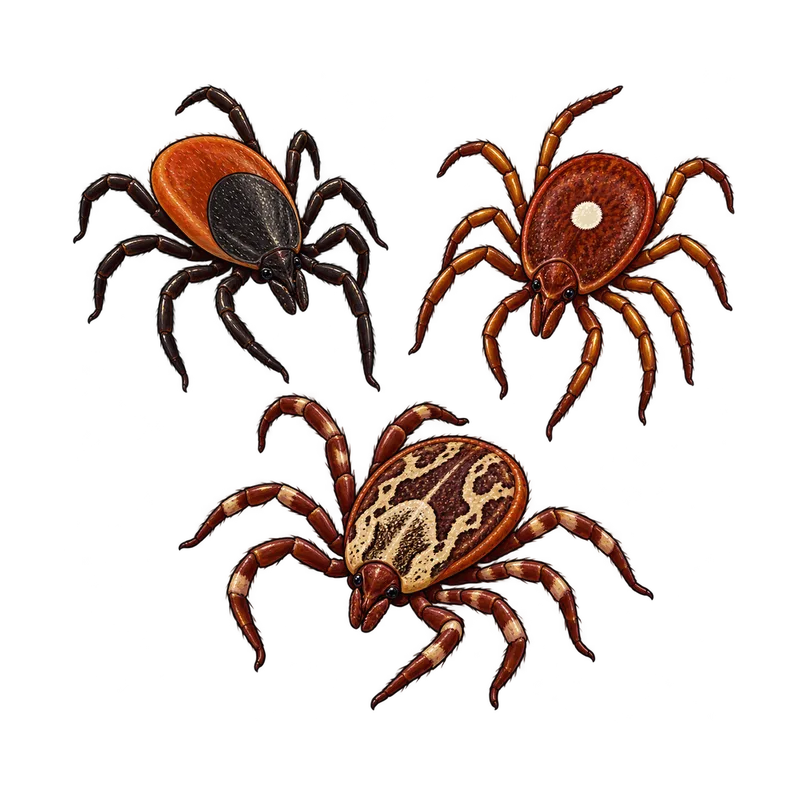
To deal with seed ticks on humans in the United States or the United Kingdom, grab fine-tipped tweezers and pull straight up with steady pressure as close to the skin as possible. If you are in Australia, apply an over-the-counter permethrin cream before removing them to prevent a dangerous release of neurotoxins.
What is actually going on
Imagine coming back inside after walking through tall grass or clearing out brush in the backyard. You pull off your socks and notice a smudge of tiny specks around your ankles, almost like someone spilled a pinch of poppy seeds on your skin. Except those specks are moving. What you are looking at are seed ticks, which are simply the newly hatched, six-legged larval stage of hard ticks. Measuring between 0.5 mm and 1.5 mm long, these microscopic arrivals hatch by the thousands from a single egg mass left in leaf litter or low vegetation. When you brush past that cluster, hundreds of them can transfer to your clothes and skin all at once.
When seed ticks land on a human, they do not jump or fly. They climb up vegetation and wait, waving their front legs to sense body heat and carbon dioxide. Once on a host, they wander around for a while before finding a spot to anchor down and feed. Because female ticks lay eggs in massive clusters, an encounter with a newly hatched batch usually means dealing with a swarm rather than a single lone bug.
Finding yourself covered in tiny ticks is an alarming experience, but the immediate goal is to stay calm and start removing them before they settle in for the long haul. The longer they stay attached, the higher the chance they can pass along any pathogens they might be carrying. However, not all ticks carry the same risks, and understanding what you are dealing with helps you keep things in perspective.
How to tell for sure
It is tempting to snap a quick photo with your phone or stare at the red marks on your skin to figure out what bit you, but dermatological reactions usually cannot tell you the exact species. Skin welts vary wildly from person to person. Definitive identification usually requires looking at the physical specimen under at least 10x magnification, such as through a jeweler loupe or a microscope, to count the legs. Seed ticks always have six legs, whereas older nymph and adult ticks have eight legs.
You also want to make sure you are actually looking at tick larvae and not other tiny biting creatures. For instance, microscopic oak leaf itch mites drop from tree canopies by the hundreds of thousands in autumn, biting the upper body and leaving itchy red wheals with central blisters, but they do not stay attached to feed on blood. Chigger mites are another common culprit that usually target tight clothing lines like waistbands and socks, leaving behind feeding tubes rather than staying latched on like ticks.
Geography usually dictates which tick species you are likely to encounter. In the United States, mass larval attachments most frequently come from the Lone Star tick in the South and Midwest, or blacklegged ticks in the Northeast and upper Midwest. In the United Kingdom and Ireland, you are usually dealing with the castor bean tick, while in Australia, the notorious paralysis tick produces tiny larvae known locally as grass ticks. Knowing your region helps you anticipate what kind of management you need next.
What usually comes next
Your main choice now is figuring out how to get those tiny biters off your skin safely and without wasting any time. If you happen to be hanging out in the United States or the United Kingdom, standard public health advice suggests grabbing a pair of fine-tipped tweezers for mechanical removal. You want to pinch the tick as close to the skin as you can manage, right where the mouthparts meet, and pull straight up with steady, even pressure. Steer clear of twisting, jerking, or crushing the body, and ignore any old folklore about smearing petroleum jelly, painting them with nail polish, or waving a hot match near your skin to coax them backward. Those amateur tricks just stress the bug out, causing it to spit stomach contents straight into your bloodstream and upping the odds of catching something unpleasant.
If your bad luck takes place in Australia instead, the playbook shifts completely. Australian medical experts strongly advise putting an over-the-counter permethrin cream directly onto the attached larvae to knock them out fast before you even think about pulling them. Since those particular ticks pack heavy-duty neurotoxins and nasty allergens, squeezing a live larva can squeeze a dangerous hit of toxins right into your body.
When you spot unattached seed ticks just wandering over your clothes before they have managed to bite, you can skip the tweezers and save yourself the headache. A good strip of duct tape or a sticky lint roller works brilliantly for lifting hundreds of loose crawlers right off your fabric. The second you finish the physical cleanup, strip down, drop your clothes into the dryer on high heat for 20 to 30 minutes, and cook any stragglers hiding in the seams. Wash down your bite spots and scrub your hands well with soap and water or rubbing alcohol.
When to get help
Plenty of tick bites clear up on their own, but certain warning signs mean you should drop the home remedies and get yourself to a doctor right away. If you notice a spreading round or bullseye rash that stretches past 4 inches across, or if you spot a dark sore that looks like a scab accompanied by a fever and swollen glands, head over to urgent care.
Neurological symptoms require emergency medical help without delay. Keep a sharp eye out for drooping facial muscles, clumsy walking, muscle weakness moving up the limbs, numbness, trouble breathing, a splitting headache, a stiff neck, confusion, or severe sensitivity to bright light. Those point toward tick-borne encephalitis, neuroborreliosis, or tick paralysis, which call for real medical treatment.
Severe allergic reactions also mean a fast trip to the emergency room. If your lips, tongue, or throat start swelling up, or if you get covered in hives, feel dizzy, or suddenly struggle to breathe, dial for emergency help immediately. On top of that, if the biting pests inside your house are actually coming from wild animals nesting in your attic or crawlspace, like bat bugs or bird mites, spraying store-bought bug killer indoors will not fix a thing. You will need to hire licensed pest control and wildlife pros to block off access points and clear out those nests for good.