
Are white ticks dangerous?
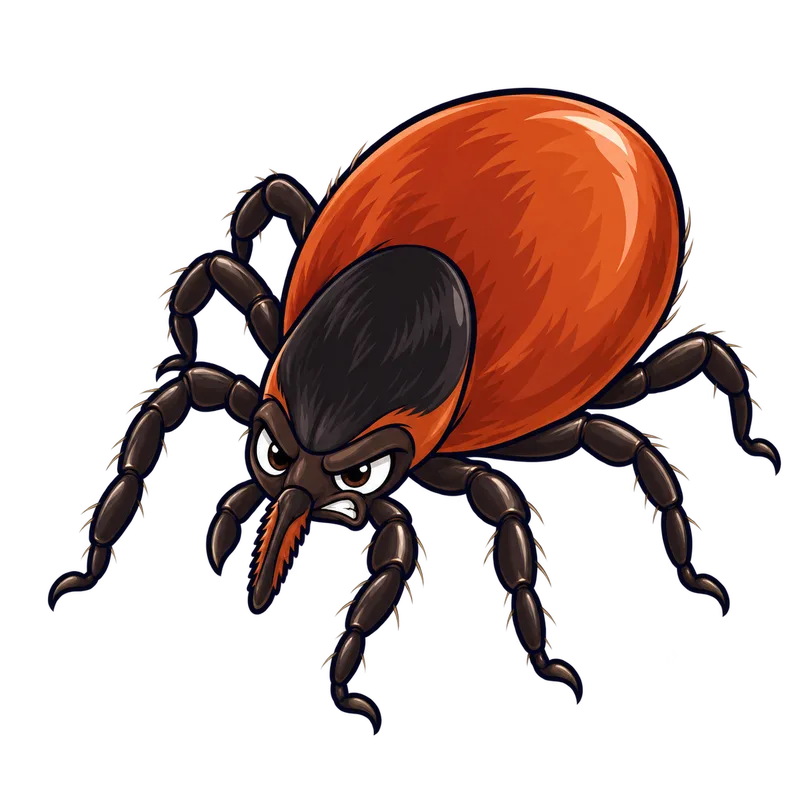
Whether a white tick is dangerous depends entirely on what the creature actually is, where you picked it up, and how long it stayed attached. There is no single biological species known as a white tick, so the term usually describes a blood-engorged female hard tick, a Lone Star tick with a distinct white spot, or tiny immature seed ticks.
What is actually going on
You are sitting on the back porch after spending the afternoon clearing brush by the tree line, and while scratching what you think is a stray speck of dirt off your ankle, you realize it is anchored to your skin. Closer inspection reveals a swollen, pale grey, pearl-like bump that was definitely not there this morning. You wonder if you have stumbled upon some exotic dangerous pest, but the reality is much more mundane. There is actually no single biological species known as a white tick.
Instead, what people usually call a white tick falls into a few distinct categories. Most of the time, it is an adult female hard tick that has been feeding on blood for several days. Unfed hard ticks start out flat and dark, resembling a small apple seed, but as their bodies expand enormously, this massive stretching thins out their dark outer skin. The internal blood and tissues show through, turning them a pale pearly grey or off-white color.
In other instances, that white tick is a specific type called a Lone Star tick. The adult females of this species sport a bright, unmistakable white spot right on their backs, which prompts many people to nickname them white ticks. You might also encounter tiny, pale, translucent immature seed ticks clustered by the dozen on your skin, or even entirely unrelated organisms like bed bug nymphs, bird mites, or tiny plant-eating bugs that look vaguely tick-like to the naked eye.
The danger level depends entirely on what that creature actually is, where you picked it up, and how long it managed to stay attached. While a newly attached tick carries very low immediate risk, a fully engorged female that has fed undisturbed for days has had plenty of time to pass along whatever pathogens she might be carrying.
How to tell for sure
Trying to figure out what bit you by looking at a photograph or a red mark on your skin is usually a waste of time, because human skin reacts in all sorts of unpredictable ways to a simple bug bite. If you want to know what you are dealing with, you usually need to look at the actual specimen under good light with a magnifying glass or a ten times hand lens.
If the creature is round, swollen, balloon-like, and pale grey or off-white with tiny legs crowded near the front, you are usually looking at an engorged female hard tick. If it is flat, brown, and features a prominent, glowing white dot near the middle of its back, you are likely looking at an adult female Lone Star tick. On the other hand, if you are seeing tiny, straw-colored specs the size of poppy seeds that seem to move en masse, you are usually dealing with newly hatched tick larvae rather than a single large adult.
Geography also plays a huge role in identification and risk. A white-spotted tick found in the wooded southeastern United States usually points toward the Lone Star variety, which is known for carrying specific bacterial illnesses and triggering mammalian meat allergies. An engorged greyish-white tick pulled off a hiker in the northeast or upper midwest usually traces back to the blacklegged tick, which is the primary vector for Lyme disease. Across the ocean in the UK and Europe, a similar engorged specimen usually belongs to the castor bean tick, while eastern Australia presents the distinct hazard of the paralysis tick, which turns a pale bluish grey as it feeds.
What usually comes next
When you spot an attached tick, your immediate priority should be safe removal rather than panic. Forget what you may have heard about smearing petroleum jelly, painting it with nail polish, or holding a hot match near the creature to make it drop off. Those old remedies tend to irritate the tick, causing it to empty its stomach contents straight into your bloodstream and actually raising your chance of infection.
Instead, reach for a pair of fine-tipped metal tweezers or a specialized tick removal tool. Grab the tick by its mouthparts as close to your skin as you possibly can, making sure you avoid squeezing its bloated belly. Pull straight upward with steady, even pressure, and resist the urge to twist or jerk it sideways.
If a tiny piece of the mouthparts breaks off and stays embedded in your skin, do not start gouging at it with a sewing needle. Treat it just like an ordinary splinter by washing the spot thoroughly with soap and water or rubbing alcohol, and let your body push it out naturally over the next few days. The germs responsible for tick-borne diseases live in the creature's body, not in those leftover mouthparts. Once the tick is finally out, clean your hands and the bite area, then drop the pest into a sealed bag or flush it down the toilet to keep it away from pets and children.
When to get help
There are moments when a standard tick bite moves past the realm of home care and demands professional medical attention. If you notice an expanding circular red rash, a classic bullseye pattern, or a dark, scab-like ulcer developing at the bite site anywhere from a few days to a few weeks after removal, you should contact a clinician promptly.
You also need to seek medical care right away if you experience whole-body flu-like symptoms, such as a sudden high fever, pounding headache, crushing fatigue, stiff neck, or unexplained joint and muscle aches. In areas where blacklegged ticks are common, a doctor might prescribe a preventive dose of antibiotics if an engorged tick stayed attached for thirty-six hours or more, as long as you visit within the proper medical window.
Keep an eye out for neurological warning signs like muscle weakness, an unsteady walk, facial drooping, or numbness, which can point toward serious infections or neurotoxin exposure from certain regional species. Any sudden allergic reactions, including hives, trouble breathing, or swelling that hits a few hours after eating red meat, suggest Alpha-Gal syndrome brought on by specific tick bites and require immediate medical evaluation. If you find yourself dealing with an ongoing invasion of indoor pests or bird mites migrating from roof nests into your living spaces, that is the right time to call in a licensed pest professional to track down the root cause.