
How should yard tick prevention be coordinated with pet care?
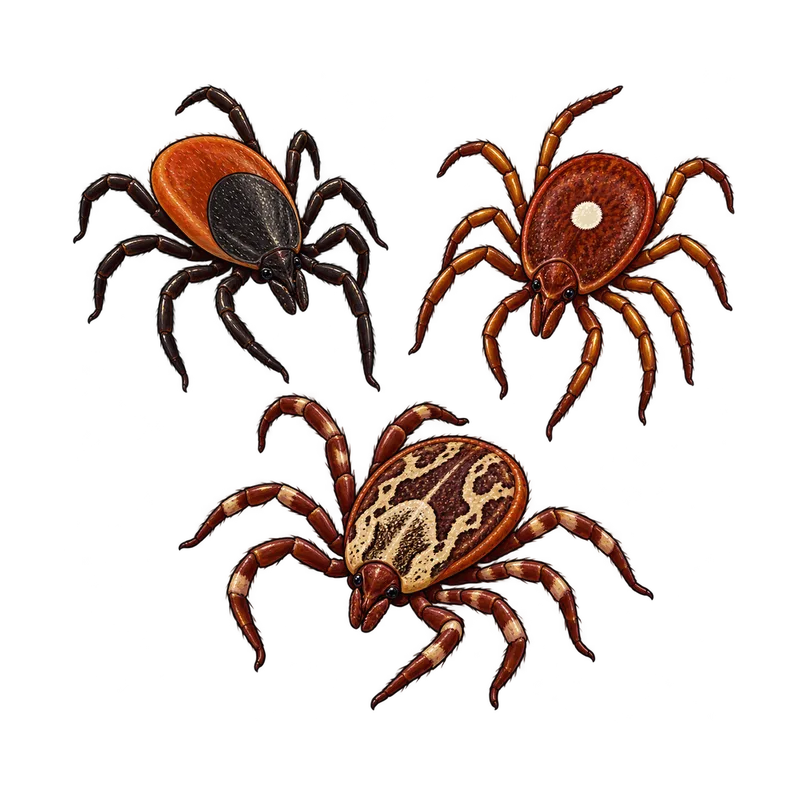
Yard tick prevention should be coordinated with pet care by lining up landscape work, yard treatments, and veterinarian parasite plans so they support each other. You must choose granular products for turf zones to reduce chemical residue on grass, and time applications for April or May and September or October.
What is actually going on
Picture walking back inside after letting the dog out for a quick evening run. You check her coat under the porch light, and there is a tiny speck crawling near her ear, no bigger than a sesame seed. That small encounter sets off a familiar worry about keeping both the yard and the family pet safe from ticks without turning the property into a chemical wasteland. Coordinating yard tick prevention with pet care means lining up your landscape work, your yard treatments, and your veterinarian products so they actually support each other instead of fighting at cross-purposes.
Ticks do not fly or drop from trees like paratroopers, which is a relief. They practice what entomologists call questing, climbing up low-lying grass or brush, anchoring with their back legs, and waving their front legs around to catch the scent of carbon dioxide or body heat from a passing animal. Because they are tiny arachnids with a desperate need for moisture, they shrivel up and die in dry, sun-baked areas. That vulnerability is your best opening for managing them naturally around the yard.
The main trick is keeping your defensive layers straight. You want to modify the microclimate right where your manicured lawn meets the wild woods or overgrown brush. If you put down a three-foot-wide band of dry woodchips, gravel, or cedar mulch along that border, you have essentially built a dry, sun-baked moat that ticks refuse to crawl across. They simply cannot handle the low humidity. When you back that up with short mowing and a targeted application of EPA-approved granular acaricides, which are tick-killing products, directly to those perimeter brush zones in the spring and fall, you stop the pests before they ever reach the lawn where the dog plays.
How to tell for sure
Before you start spraying or treating anything, you need to know what you are actually looking at, because not every crawling bug in the grass is a deer tick. Hard ticks go through three distinct life stages, usually starting as six-legged larvae, moving up to eight-legged nymphs about the size of a poppy seed, and finishing as full adults. If you are trying to spot them on a pet, you usually have to part the fur with your fingers, paying special attention to warm, hidden spots like the ears, the groin, and around the collar line.
You usually find that blacklegged ticks, which carry Lyme disease, prefer shaded, humid woodland edges and tall brush rather than the middle of a hot, sunny lawn. Dog ticks are usually larger and favor open fields and grassy road shoulders. If you are squinting at a tiny specimen under a bright porch light, remember that adult females have a partial shield behind their head that lets them expand massively when they feed, while males have a hard shield covering their entire back and stay small.
One thing worth keeping in mind is that you should never try to identify a tick or a pest from a bite mark or a skin rash alone. Human immune systems react wildly differently to the same stimulus. What looks like a bullseye to one person might just be a common mosquito reaction to another. If you need a positive identification of the exact species, use a magnifying glass to check mouthpart length or bring the specimen in a sealed container to a local extension office rather than guessing based on how itchy your ankle feels.
What usually comes next
Once you have your landscape barriers in place, you have to coordinate your yard treatments directly with your veterinarian's parasite plan for your pets. This is where people often stumble. You might buy a great topical treatment or oral chew from the vet that keeps fleas and ticks off your dog, but if you go spraying liquid pyrethroids all over the lawn where the dog rolls every afternoon, you run into serious exposure risks.
You usually want to choose granular products instead of broadcast liquid sprays for turf zones. Granules fall straight through the grass blades and settle into the thatch layer right down at the soil line where ticks actually hide, leaving very little chemical residue on the tips of the grass where your pets run. More importantly, you have to time these yard applications with the tick life cycle, typically targeting overwintered nymphs in April or May, and adult ticks again in September or October.
There is one hard rule you cannot bend, especially if you share your home with multiple species. Permethrin and similar synthetic pyrethroids are fantastic for treating dog gear and human clothing, but they are intensely toxic to cats. Felines lack the specific liver enzymes needed to process these chemicals, meaning even brief contact can trigger severe, life-threatening neurotoxicity. If you treat a dog with a permethrin-based product, you generally need to keep that dog completely separated from any cats in the household for at least forty-eight hours until the product dries and absorbs fully.
When to get help
There are moments when DIY yard work and standard pet preventatives are not enough, and you need to hand the problem over to someone with professional training. If tick numbers remain persistently high despite your mulch barriers, short grass, and perimeter treatments, call a licensed pesticide applicator. They have access to commercial formulations and specialized application equipment that can handle heavy brush and steep wooded slopes safely without creating runoff hazards near streams or wells.
On the health side, you need to watch both yourself and your animals closely after an outdoor exposure. If you or a family member develop an expanding circular rash that grows larger than four inches across, or if you come down with a sudden fever, severe headache, and stiff joints a week or two after a bite, see a clinician immediately. The same goes for your pets. If your dog suddenly shows joint lameness, lethargy, or a complete loss of appetite, or if your cat displays muscle tremors, drooling, or a wobbly gait after any potential exposure to treated areas or other animals, get them to a veterinarian right away.