
How do you choose a tick-prevention plan for a yard with pets?
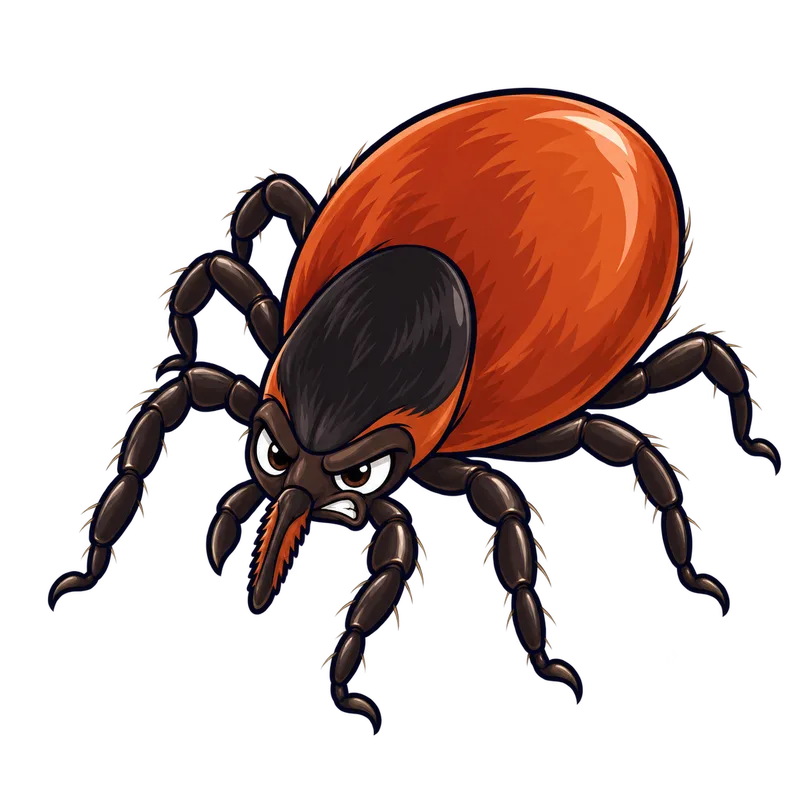
Choosing a tick-prevention plan for a yard with pets depends on combining yard cleanup, physical barriers, targeted perimeter treatments, and veterinary-approved animal preventatives. Because ticks need high humidity to survive, a proper plan relies on putting down a three-foot-wide gravel or woodchip barrier where turf meets the woods, keeping grass cut short, and using vet-recommended preventatives to protect pets.
What is actually going on
Picture a warm Saturday morning in May. You are out in the yard holding a cup of coffee, watching the golden retriever bound through the tall grass near the tree line, and suddenly you remember that yesterday you pulled a small, dark hitchhiker off his ear. Now every itch on your own ankle feels suspicious. Choosing a tick-prevention plan for a yard with pets is not about turning your entire half-acre into a sterile concrete parking lot, nor is it about blindly spraying chemicals every weekend. It is about understanding that hard ticks are not insects that fly or drop out of trees, but tiny arachnids that climb up low vegetation and wait for a passing host. Because they need high humidity to survive, they hide out in damp leaf litter, tall grass, and shady brush.
To keep them away from your pets and your family, you have to break up their preferred real estate. Ticks die quickly if they dry out, which is why a proper plan combines four distinct steps: tidying up the microclimate in your yard, putting up physical buffer zones, applying targeted ground treatments where pets rarely walk, and using veterinary-approved preventatives directly on your animals. Environmental controls can wipe out a huge percentage of the ticks living outdoors, but they will never catch every single one that a mouse or a bird carries across your property line. That is why your pets still need direct protection from a vet, and why you still need to check them over after they spend time outside.
A lot of people assume that treating the lawn once in spring solves the problem for good, but tick pressure shifts with the seasons. Nymphs show up in large numbers when the weather warms up in April and May, while adults are more active in the autumn. If you only focus on the open sunny lawn where your dog plays fetch, you are missing the shady brush edges where ticks actually hang out. Treating a yard correctly means focusing on the transition zones between woods and turf, keeping the grass cut short so sunlight bakes the soil, and making sure your pets are wearing whatever your veterinarian recommends to kill ticks before they can feed.
How to tell for sure
When you find something on your pet or in the grass, identification comes before control. You usually cannot tell what kind of tick you are dealing with from a quick glance or by how the bite feels, since ticks do not leave a signature mark that tells you their species. Hard ticks have different physical features depending on the region and the species. In the eastern and central United States, you might spot a blacklegged tick with its reddish-brown body and solid black shield behind the head, or a lone star tick carrying a distinct white dot on its back. Out west, the western blacklegged tick looks very similar to its eastern cousin. In Australia, the paralysis tick is a major concern along the east coast, known for causing progressive weakness in pets.
If you want to know for sure what is crawling on your property, you usually need to look at it closely with a magnifying lens or have a local extension office take a look. Do not rely on old myths, like assuming a tick came from a high tree branch because it landed on your dog's back. Ticks quest by climbing grass stems and low brush, extending their front legs to latch onto fur or clothing as it brushes past. They cannot jump, and they cannot fly. If you spot a tiny, flat, reddish-brown pest that seems to scurry fast indoors or around a kennel, you might be looking at a brown dog tick rather than a wood tick. Recognizing the physical traits, like mouthpart length or back patterns, helps you understand what risks might be present in your specific region.
What usually comes next
Figuring out a sensible plan for your property starts with taking a good look at how your yard is laid out. If your back fence opens right into dense woods or wild brush, your smartest first move is putting in a dry barrier strip. Putting down a three-foot-wide band of woodchips, coarse mulch, or clean gravel right where your mowed turf meets the trees acts like a dry desert moat that ticks really hate to cross. Beyond that barrier, keep your grass cut low and rake away damp leaf piles where moisture tends to stick around. As for using chemical controls, you generally want to skip spraying your whole open lawn. Instead, put down a granular product along those shady perimeter edges where ticks actually hang out. Those little granules drop down through the grass blades and settle into the thatch layer right where ticks look for moisture, while keeping the treatment away from the spots where your pets and kids normally run and play.
You also need to make a firm choice about protecting your pets, and that decision belongs strictly in your veterinarian’s care. Never grab over-the-counter spot-on treatments off a store shelf without talking to your vet first, especially if you have cats in the house. Permethrin and related chemical compounds are severely toxic to cats, and what keeps a big dog safe can turn into a serious emergency if a cat brushes against a treated buddy or a wet yard. Always follow the product label instructions down to the exact letter. The label is a legal rulebook, and guessing on the dose or using an outdoor spray in ways the maker did not intend brings real hazards to pollinators, nearby water, and your own family.
When to get help
Certain situations go way beyond a simple weekend landscaping project and call for outside help. If you find a severe infestation of soft ticks hiding inside rustic cabin walls, old rodent nests, or deep crawlspaces, a licensed pest control operator needs to step in and manage the treatment with specialized products. In the same way, if your property borders a protected wildlife area or sensitive wetlands where runoff could harm local fish, professional applicators know how to handle those safety buffers the right way.
On the health side, you need to know when to act fast. If your dog or cat suddenly shows an unsteady walk, weakness in the back legs, vomiting, or deep sleepiness after being outside, get them to a vet clinic right away. For humans, keep an eye out for warning signs like an expanding circular rash, a dark scab at the bite spot, a sudden high fever, pounding headaches, or joint aches showing up weeks after a bite. If anyone in your house breaks out in rapid hives, facial swelling, or trouble breathing after a tick encounter or even after eating red meat, call emergency services immediately.