
Lone star tick vs American dog tick: what markings differ?
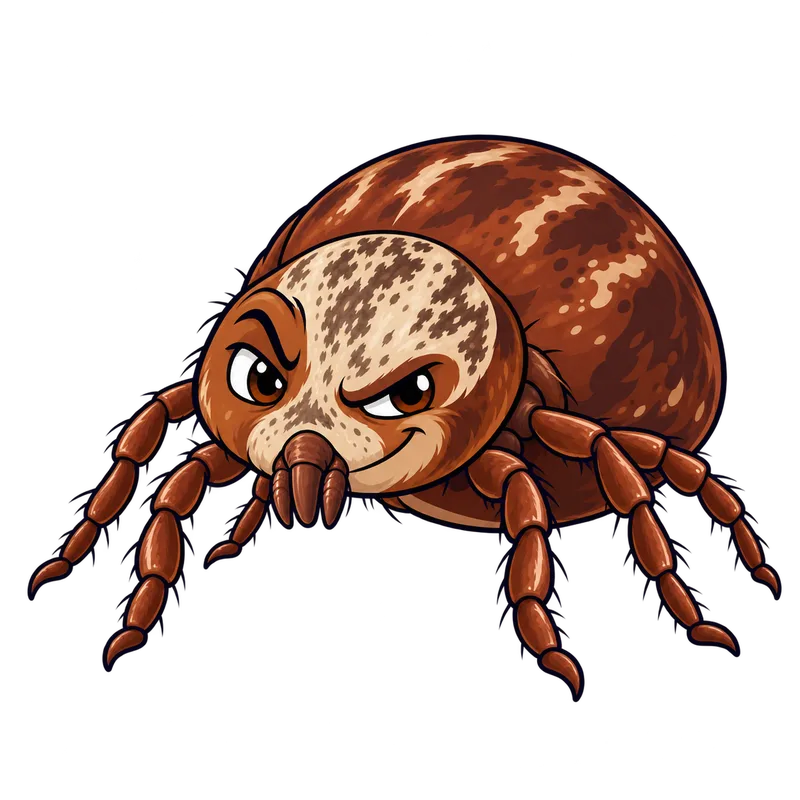
The Lone star tick and the American dog tick differ mainly by the patterns on the hard shield behind their heads. An adult female Lone star tick has a dark body with a single white spot at the bottom center of her shield, while the female American dog tick features an ornate, extensive white-and-silver paneling pattern across her shield.
What is actually going on
Picture this: you are sitting on the front porch after a long walk through the tall grass at the edge of the woods. You are brushing off your socks, and right there on your ankle sits a tiny hitchhiker, no bigger than a sesame seed. You grab your reading glasses and squint at it, wondering whether you are looking at a tick that carries the red meat allergy or one that carries Rocky Mountain spotted fever. The markings on their backs look completely different once you know what to search for, but telling them apart takes a minute of close observation.
The confusion usually stems from the fact that these two common pests, the Lone star tick and the American dog tick, share the same local brush and tall grass during the spring and summer months. People tend to lump all ticks into one dreaded category, assuming they all look and act the same. In reality, their physical designs are quite distinct, provided you know where to look. One wears a single, bright beacon on its back, while the other sports an intricate, marbled pattern.
The differences go beyond fashion. These two species carry entirely different sets of health risks, and neither of them happens to be the one that transmits Lyme disease. Understanding which one you have picked up changes how you monitor your health in the days following a bite. Getting the identification right helps you separate actual medical concerns from needless panic.
How to tell for sure
Telling these two ticks apart usually depends on their gender and the specific patterns printed on their hard back shield. Think of this shield as a small, tough backpack sitting right behind the tick's head. On adult females, that backpack covers only the front half of the body, leaving the rear portion free to stretch out like a balloon during a blood meal. On adult males, that same shield covers their entire back like a full suit of armor.
For adult females, the Lone star tick features a plain, dark reddish-brown body with one brilliant, isolated white or silver spot right at the bottom center of its small shield. It looks like someone placed a single drop of white enamel paint on a dark leather jacket. The American dog tick female looks quite different. Her shield is ornate, covered in an extensive white-and-silver paneling pattern against a dark background, completely lacking that single central star. Mouthpart length also offers a quick clue under a magnifying glass, as the Lone star tick has noticeably long, needle-like mouthparts, while the American dog tick has short, stubby ones.
For adult males, the rules change because their armor covers their whole back. The male Lone star tick has a dark brown body with only faint, subtle pale streaks along its outer margins, meaning it does not have that famous white spot. The male American dog tick, by contrast, wears a heavy, web-like lattice of silver-white and dark brown markings across its entire back, resembling a piece of intricate silver lacework.
Blood engorgement can sometimes muddy the waters. When an adult female feeds for several days, her soft belly stretches to many times its original weight, turning into a smooth, plump, greyish-blue or red sac. Yet that hard little shield behind her head never grows or changes size. While the stretched tissue and dark blood can obscure things, a close look with a hand lens will still reveal that signature white spot or ornate silver paneling right where it started.
What usually comes next
Once you spot a tick hitched to your skin, your main task is pulling it off safely before things get complicated. Leave the old kitchen myths alone, like touching it with a warm match tip or drowning it in petroleum jelly or nail polish. Those little tricks just annoy the creature, making it push its stomach contents straight into your bloodstream and upping your chances of getting sick.
Grab a reliable pair of fine-tipped tweezers or a proper tick removal tool instead. Pinch those tiny mouthparts right where they meet your skin, making sure to steer clear of the bloated belly so you do not pop it by accident. Pull straight up with a slow, steady tug, much like easing a stubborn finishing nail out of a baseboard. Skip any twisting or jerking motions, because that is usually how the mouthparts snap off and stay behind in the skin.
After the tick is out, clean the bite spot and your hands really well with rubbing alcohol or standard soap and water. Drop the bug into a sealed small jar of rubbing alcohol if you plan on showing it to someone for a positive ID later. Never smash a tick using your bare hands, and whenever you spray insect repellent on your skin or treat outdoor gear with permethrin, stick strictly to the instructions printed right on the product packaging.
When to get help
Most tick bites leave behind nothing worse than a mild red bump, but certain red flag symptoms mean you need to talk to a doctor without delay. Keep a close eye on your health during the weeks following the removal. Call for a medical appointment right away if you start running a high fever, fighting a pounding headache, or dealing with deep muscle aches and chills.
Keep track of any unusual skin changes, too. A growing red rash, especially one with a pale center that looks like a target, sometimes shows up after a Lone star tick encounter. Although those rashes remind people of Lyme disease, the Lone star tick actually spreads an infection called Southern Tick-Associated Rash Illness, along with ehrlichiosis. Notice a dotted rash forming on your wrists or ankles, or a dark crusty sore right where the bite happened, and you should seek professional care because those signs point toward Rocky Mountain spotted fever from dog ticks.
Watch out for strange reactions appearing hours after meals as well. If you get hit with sudden hives, swollen lips, stomach cramps, or trouble catching your breath a few hours after a heavy dinner, you might be reacting to Alpha-gal syndrome, a red meat allergy triggered by past tick saliva. Whenever symptoms turn into breathing trouble or a severe allergic reaction, treat the situation as an emergency and get professional medical help immediately.