
Are there really white ticks?
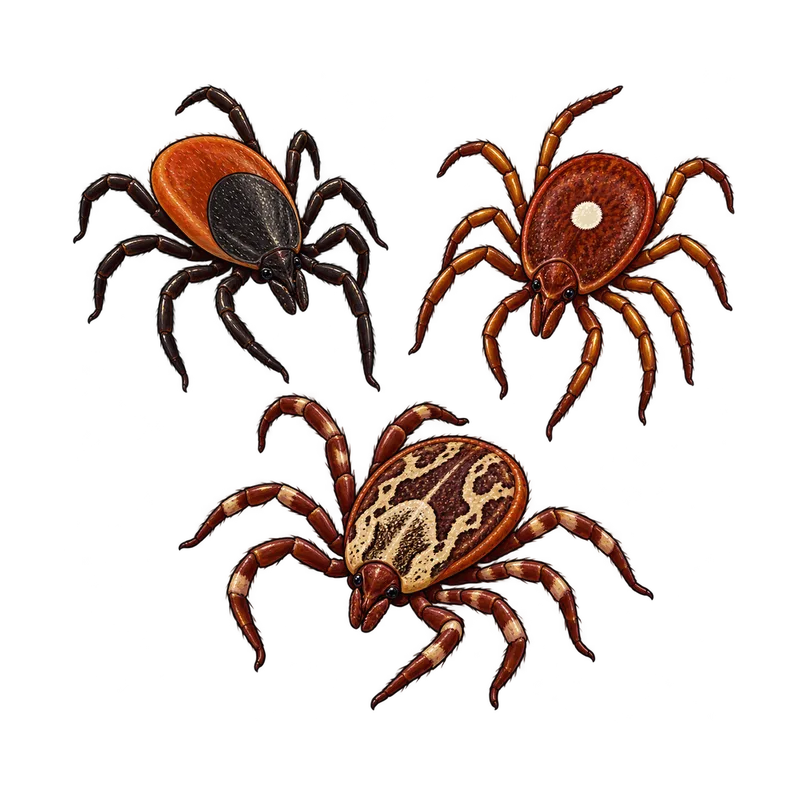
True white ticks do not exist as a distinct species in nature. What looks like a white tick is usually an adult female hard tick that has turned greyish-white or pearl-colored after feeding on blood for several days, stretching its outer skin up to a hundred times its original mass.
What is actually going on
You are out walking the dog through tall grass on a warm afternoon, and when you get back inside, you find a pale, swollen little pearl clinging to your knee. It looks nothing like the dark, flat ticks you usually picture, which leaves you wondering what on earth you just pulled off your skin. True white ticks do not actually exist as a distinct species in nature, but what you are seeing usually comes down to one of a few common biological shifts or entirely different critters altogether.
That ghostly, swollen speck is most often an adult female hard tick that has been feeding for several days. Think of an unfed female tick as a tiny, flat leather disc or an apple seed. As she takes her blood meal, she stretches her outer skin up to a hundred times her original mass. That extreme stretching dilutes her natural dark pigment and reveals the pale, fluid-filled interior, turning a once-dark bug into a smooth, greyish-white or pearl-colored oval that looks almost like a small bean.
You might also encounter tiny, pale straw-colored creatures known as seed ticks. These are just newly hatched tick larvae with only six legs instead of eight, measuring a fraction of a millimeter across. When a whole egg clutch hatches at once in the leaf litter, brushing past can transfer dozens of these microscopic pale specks onto your clothes or shoes.
Other times, people mistake ticks for insects that just happen to be light-colored. Certain adult ticks also carry natural markings, such as the prominent white or silver spot found right on the back of the female Lone Star tick. That striking spot often leads people to search for a white tick when they are actually looking at a very common native species.
How to tell for sure
Trying to figure out what you found usually requires looking past simple color and paying attention to size, legs, and shape. If the specimen is round, bulbous, and soft to the touch like a tiny water balloon, you are usually looking at an engorged adult female hard tick.
If the creature is microscopic, translucent, and moves around quickly on six legs rather than eight, you are usually dealing with a newly hatched larval tick. When people find tiny, pale biting pests dropping from oak trees in the late summer or autumn, they often blame ticks. Those tiny specks are usually oak leaf itch mites, which measure about zero point two millimeters across and fall by the thousands from tree galls.
You usually cannot rely on a quick phone snapshot or the look of a skin bite to confirm what bit you. Skin reactions vary wildly from person to person based on immune sensitivity, meaning two different people bitten by the exact same insect can end up with entirely different marks.
When you need to know for sure what crawled out of the brush, you usually need a ten-power hand lens or a microscope to count legs, check mouthpart lengths, and examine the hard dorsal plate behind the head. If you find tiny pale bugs indoors near a bed or a bat roost, distinguishing a bed bug nymph from a bat bug usually requires zooming in under a specialist microscope to measure tiny fringe hairs near the eyes.
What usually comes next
When you spot an attached tick, getting it off cleanly before it can transmit anything is your top priority, whether the creature looks dark brown or pale grey. Take a pair of fine-tipped tweezers and grip the pest right where its mouthparts meet your skin. Pull straight up with a steady, even motion, and try hard not to twist or jerk the body, since that can snap the head off and leave the mouthparts behind.
Forget about old tricks like dabbing the bug with nail polish, smothering it in petroleum jelly, or bringing a hot match near your skin. Those old wives' tales only agitate the tick, which can make it regurgitate fluid straight into your bloodstream and actually raise your chances of getting sick.
Once the tick is free, wash your hands and the bite area well with soap and water or rubbing alcohol. If a tiny speck of mouthpart stays stuck in your skin, you can try to lift it out gently with clean tweezers, or you can just leave it alone and let your body shed it naturally over a few days.
If you want to save the specimen for an agricultural extension office or a local health tracking program, drop it into a small sealed jar with a little rubbing alcohol. Alternatively, you can press it gently onto a strip of clear packing tape and stick that tape to a piece of white paper.
When to get help
You need to call a doctor right away if you start feeling unwell or notice strange symptoms in the days or weeks after a bite or a walk outdoors. Keep a close eye out for any spreading red rash, particularly one shaped like a target or a bullseye, or if you run a high fever, get terrible headaches, chills, deep fatigue, or aching joints that came out of nowhere.
Any rash that shows up on your wrists, ankles, palms, or soles deserves a quick medical check. You should also seek urgent care if a dark, scabby sore starts forming right where the tick bit you, or if you notice strange neurological signs like facial weakness, confusion, or trouble walking straight.
Severe allergic reactions, breathing trouble, or sudden swelling around your face and throat mean you need emergency medical help immediately. In the same way, if you think you are developing a strange delayed allergy to red meat or dairy products after a run-in with ticks, a clinician can help you figure out if you are dealing with Alpha-Gal syndrome.
As for your house, finding that your indoor biting pests are actually bat bugs or bird mites coming from an animal nest in your attic or chimney means you should put down the bug spray. Because bats and birds have legal protection, fixing the problem requires proper structural repairs handled by licensed wildlife control experts and pest management professionals.