
Are seed ticks baby ticks?
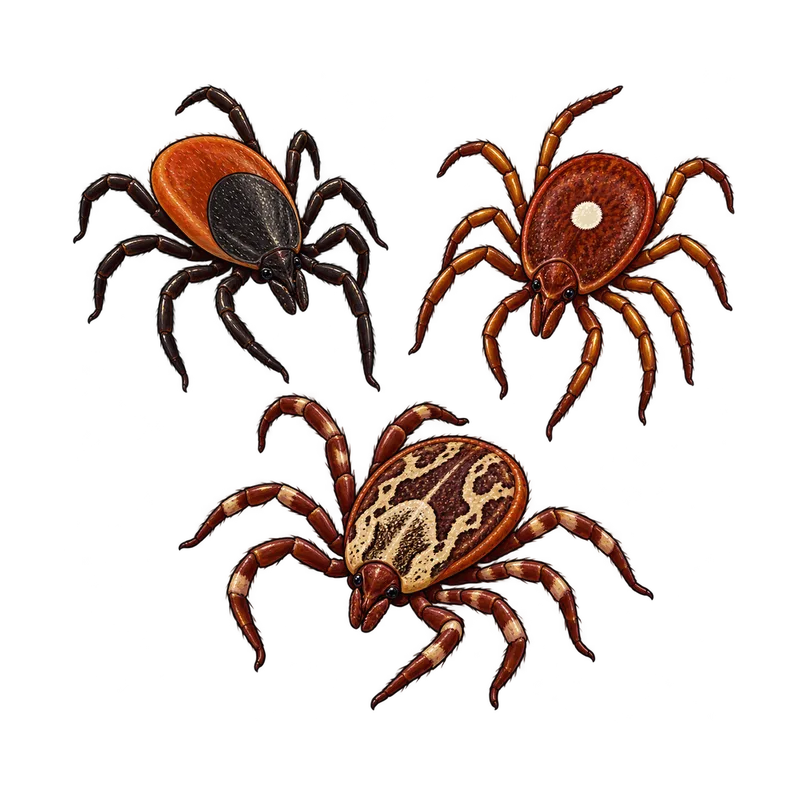
Yes, seed ticks are indeed baby ticks, specifically the newly hatched, six-legged larval stage of hard-bodied ticks. They measure a fraction of an inch and typically cluster low on the body like your ankles and lower legs.
What is actually going on
You are walking through high grass or brush on a warm afternoon, admiring the scenery, and you look down at your sneakers. Your socks seem to be dusted with a fine layer of coarse black pepper. Except, when you lean in closer to brush it off, the pepper grains start walking.
Yes, those moving specks are indeed baby ticks. In the language of entomology, people call them seed ticks, but they are technically the newly hatched, six-legged larval stage of hard-bodied ticks. When an adult female tick lays a massive clutch of eggs in the leaf litter, they all hatch around the same spot. If you happen to brush against that exact patch of vegetation, you can pick up hundreds of them in a single second.
People often worry that finding a swarm of these tiny creatures means an automatic trip to the doctor, but biology works in your favor here. Unfed tick larvae hatching out in nature are generally free of the bacterium that causes Lyme disease, because that specific pathogen is not passed from the mother tick to her eggs. That does not make them pleasant company, of course, but it removes the immediate panic that usually comes with finding adult ticks.
Still, these microscopic arrivals are hungry. They have to take a blood meal from a host before they can drop off, molt, and graduate to the next stage of their lives. Once they digest that meal, they turn into eight-legged nymphs, which are slightly larger and much easier to spot if they hitch a ride on you or a pet.
How to tell for sure
Trying to figure out what just bit you by looking at the red mark on your skin is usually a losing battle. Human bodies react to arthropod saliva in wildly different ways, so a bump on your ankle or a rash on your arm will almost never tell you the exact species responsible.
Instead, you have to look at the physical creature itself, and your naked eyes usually will not cut it for a positive identification. Because a seed tick measures a fraction of an inch, you will usually need a hand lens or a pocket magnifier to see the defining details.
The most reliable way to confirm what you are looking at is counting the legs. Tick larvae possess three pairs, giving them six legs total. If you count eight legs, you are looking at a nymph or an adult tick, or perhaps a different arachnid entirely.
Location on the body also offers a few clues, even if it is not foolproof. Seed ticks usually cluster low on the body like ankles and lower legs because they climbed up from the ground. Chigger mites, which look remarkably similar and also have six legs in their larval stage, usually target areas under tight clothing like waistbands and sock lines. Oak leaf itch mites tend to drop from trees above, meaning their bites usually show up on the upper body, neck, and shoulders.
What usually comes next
When you discover a cluster of tiny seed ticks crawling on your skin or clothes, the most practical decision you face is how to get them off before they settle in for a meal.
If they are merely walking across your skin or fabric, you do not need surgical tools. A strip of sticky lint roller tape or a thorough trip through a hot shower with a washcloth will usually brush and wash away the unattached ones. Toss your clothes straight into a hot tumble dryer to finish off any stragglers hiding in the seams.
If a seed tick has already anchored its mouthparts into your skin, leave the old home remedies in the bathroom cabinet. Forget about dousing it in petroleum jelly, covering it in nail polish, or touching it with a hot match head. Those tricks only stress the tick, which can cause it to regurgitate fluids into your skin and actually increase your risk of infection.
Instead, reach for a pair of fine-tipped tweezers. Grab the tiny tick right where its mouthparts meet your skin, and pull straight up with steady, even pressure. Do not twist or jerk the body, as you want the whole creature to come out cleanly in one go. Wash the area thoroughly with soap and water afterward, and you are done.
When to get help
Most tick encounters end after a quick shower and some time with tweezers, but certain symptoms require a medical professional without delay.
Call your doctor or seek clinical care if you develop an expanding circular red rash around a bite site, especially if it grows larger. You should also consult a clinician if you experience flu-like symptoms over the next few weeks, including a high fever, chills, severe headaches, or unusual joint and muscle aches.
If you notice neurological warning signs like an unsteady gait, muscle weakness, or facial drooping after a tick encounter, treat it as a medical emergency. The same goes for severe allergic reactions, such as hives or difficulty breathing after eating red meat, which can sometimes follow bites from certain tick species.
As for managing ticks on a larger scale around your property, leave broad chemical applications to the experts. If you need professional property-wide tick suppression, contact a licensed pest control operator or your local university extension service for guidance tailored to your region.