
What are white ticks on a dog?
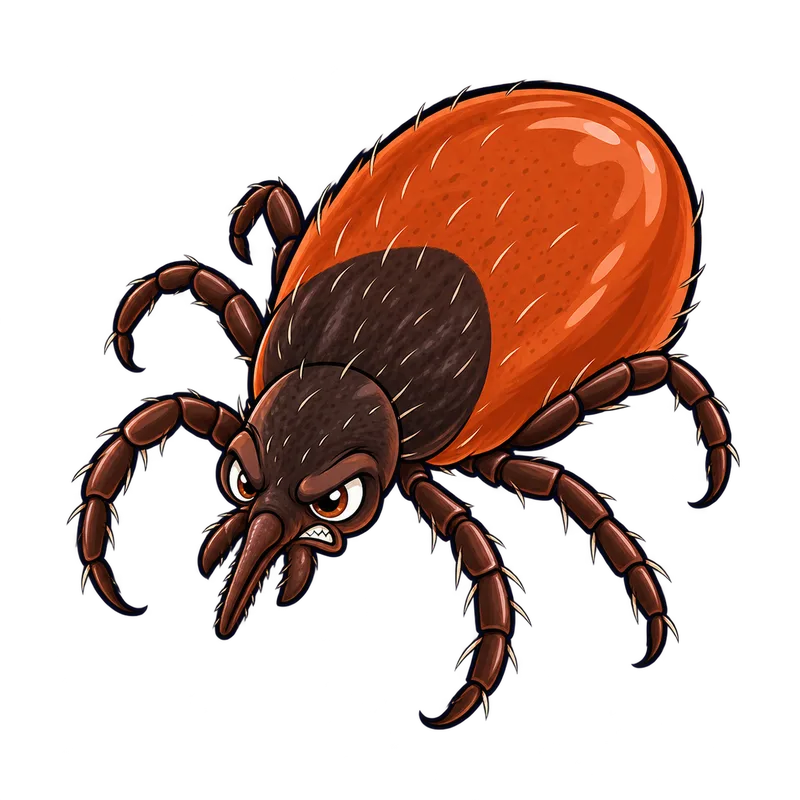
White ticks on a dog are not a distinct white species, but rather female hard ticks that have turned pale cream, ivory, or lead-gray after feeding on blood for several days. These swollen, pearl-gray bumps stay firmly anchored to the skin. The exact species depends on where you live in the world.
What is actually going on
Picture this: you are giving your golden retriever a good scratch behind the ears after a long walk through the tall grass, and your fingers catch on a strange, pale, rubbery bump. You lean in closer under the porch light. Instead of the usual dark brown or reddish bug you expect, you are staring at something that looks suspiciously like a smooth, pearl-gray balloon stuck firmly to the skin. It almost resembles a swollen bean or a small pearl, and it definitely does not move when you brush against it.
To give you the short answer right away, that pale object is almost never a distinct white tick species. It is simply a female hard tick that has been feeding on your dog's blood for several days and has fully engorged. Unfed hard ticks usually look flat and dark, ranging from reddish-black to mottled brown. Once a female attaches and takes a massive blood meal, her body mass increases dramatically, stretching her translucent outer skin until it turns a pale cream, dirty ivory, or lead-gray color.
Male hard ticks never undergo this transformation because a rigid plate covering their back stops them from expanding, meaning they stay small and dark. That is why every single giant, whitish sphere you pull off a pet is a female. Depending on where you live in the world, this could be an American dog tick, a castor bean tick, a brown dog tick, or a paralysis tick that has spent days swelling up on your dog.
How to tell for sure
Telling what you are looking at usually comes down to checking a few physical features, assuming you can stomach a closer look with good lighting. Hard ticks belong to a family that possesses a hard plate right behind the head, which separates them from soft ticks that lack this shield and feed much faster. If the white bump is firmly anchored, has eight legs tucked near the front, and refuses to let go when gently nudged, you are dealing with an attached hard tick.
People often mistake other things for white ticks, which can lead to a lot of wasted time. Engorged nymphal bed bugs, bird mites, or even non-parasitic canine skin growths like skin tags and small cysts can fool a worried owner at first glance. However, bed bugs and mites do not stay permanently glued to a dog's skin for days on end. If the pale object has legs that crawl away immediately after you detach it, or if it lacks mouthparts altogether and turns out to be a soft skin lump, it is something else entirely.
Distinguishing the exact species visually gets tricky once a tick swells up like a balloon. The massive stretching of the body distorts the color patterns and anatomical grooves that entomologists rely on for identification. Generally, if you find a large, pale, oval parasite stuck on a dog in the United States, it is usually a female dog tick or a blacklegged tick. In the United Kingdom, it is often a castor bean tick, while in Australia, a pale blue-gray tick on a dog usually points to the dangerous paralysis tick.
What usually comes next
Once you confirm that the pale object is indeed an engorged tick, the main practical task involves removing it quickly and cleanly without squeezing its swollen body. Reach for a pair of fine-tipped tweezers or a specialized tick removal tool instead of using your bare fingers. Grip the tick as close to your dog's skin as you can, right where the mouthparts enter the flesh, and pull straight upward with a steady, even motion.
Try to resist the temptation to twist, jerk, or squeeze the pale, balloon-like abdomen, because crushing the body can force its fluids right back into your dog. If a tiny piece of the mouthparts stays behind in the skin, do not panic or start digging around with a needle. You can safely leave those small fragments alone, since your dog's skin will naturally push them out over time, much like a tiny splinter.
After the tick is gone, wash the bite spot and your hands thoroughly with soap and warm water or rubbing alcohol. Drop the live tick into a small container of alcohol to kill it, or seal it up tightly if you want a veterinarian to examine it later. Never rely on old folk remedies like burning matches, petroleum jelly, or nail polish to make the tick back out on its own. Irritating the tick in those ways only causes it to release more saliva and potential pathogens straight into your pet.
When to get help
There are times when pulling a tick off your dog is only the beginning, and you need to hand the situation over to a professional without delay. If you live in Australia and suspect the pale pest is a paralysis tick, or if your dog starts showing an unsteady gait, weakness in the hind legs, a changed bark, or difficulty breathing, you need to visit a veterinarian immediately. Paralysis tick toxins act quickly, and waiting too long can prove fatal.
You should also consult a vet if your dog develops a fever, extreme lethargy, swollen joints, vomiting, or dark urine in the weeks after a tick bite. These symptoms often point to tick-borne illnesses like anaplasmosis, babesiosis, or Lyme disease, which demand proper diagnostic testing and prescription medication rather than a wait-and-see approach.
Human health matters just as much in these scenarios, so keep an eye on your own well-being after handling ticks or grooming an infested animal. If you develop an expanding circular rash, a sudden high fever, severe headaches, or muscle aches in the weeks following a tick encounter, contact a doctor right away. For complex indoor infestations where hundreds of small brown dog ticks crawl out of baseboards and pet crates, bring in a licensed pest control professional to treat the structure safely and effectively.