
What do seed tick bites look like?
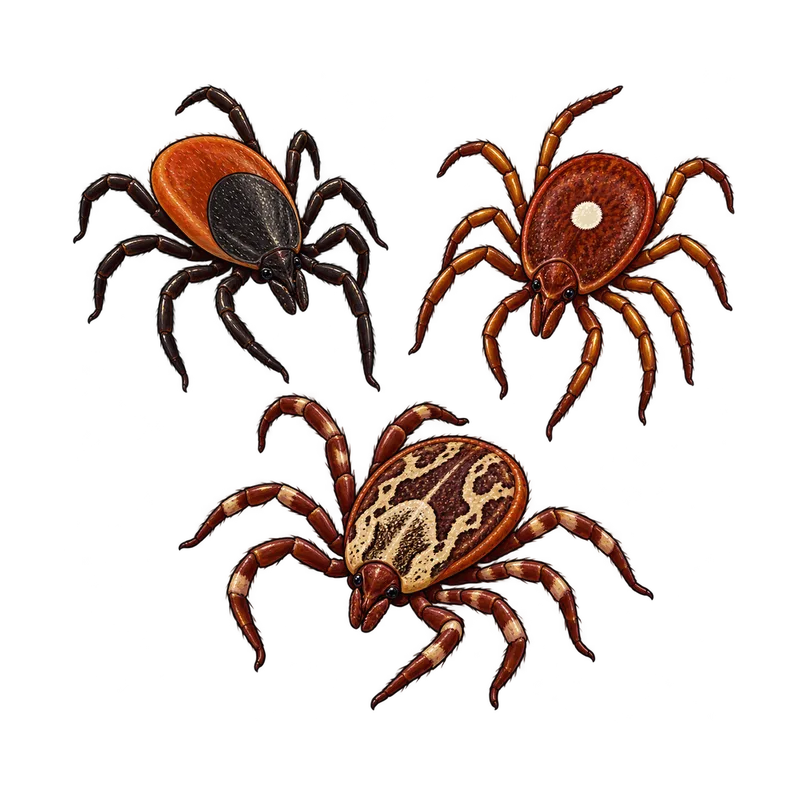
Seed tick bites typically show up as small, red, itchy bumps or welts ranging from 1 to 5 mm in size. Because the larvae transfer in large numbers, these marks appear in dense peppered clusters or neat linear arrangements right where clothing grips the skin.
What is actually going on
You come back inside after clearing some overgrown brush in the backyard, pull off your socks, and notice a dense, peppered ring of tiny red dots right along your ankle line. It looks almost like a rash, except each little mark has a microscopic dark red center. What you are looking at is usually a cluster of seed tick bites.
If you are wondering what seed tick bites actually look like, they typically show up as small, red, itchy bumps or welts ranging from 1 to 5 mm in size. Because female hard ticks lay hundreds or even thousands of eggs in one exact spot in the leaf litter, their newly hatched offspring tend to hang out together in a tight crowd. When you brush past that vegetation, dozens or hundreds of these tiny larvae transfer onto your clothing or skin all at once.
This mass transfer explains why seed tick bites almost never happen in isolation. They appear in dense clusters, peppered groups, or neat linear arrangements right where your clothing gripped your skin, such as your sock lines, waistbands, or cuffs. Each bite marks the exact spot where a six-legged larva inserted its mouthparts to take its first blood meal.
Host immune responses vary significantly from person to person. If you have been bitten by ticks before, your body might react quickly with intense itching and raised welts within hours of exposure. On the other hand, a good number of people are entirely anergic, meaning they develop zero visible skin lesions or symptoms even when dozens of larvae have attached.
How to tell for sure
The most important thing to know about identifying seed tick bites is that you usually cannot tell what bit you just by looking at the skin. A red bump is a red bump, and your skin reacts the same way whether it is dealing with a tick larva, a chigger mite, a flea, or bed bugs.
If you manage to spot the culprit still clinging to your skin, you can use a magnifying glass to count its legs. Seed ticks are the larval stage of hard ticks, meaning they usually possess six legs, whereas older nymphal and adult ticks have eight legs. They look roughly the size of a poppy seed, sometimes appearing like a stray freckle that suddenly decides to crawl.
Even with a magnifying glass, confirming the exact species usually requires a specialist examining the physical specimen under a microscope. Relying on a photograph or a description of a mark on your skin is a recipe for a misdiagnosis because human skin responses vary wildly based on individual sensitivity rather than the specific pest involved.
You might wonder if seed tick bites carry the classic bullseye rash associated with Lyme disease. Fortunately, newly hatched hard tick larvae usually do not transmit the Lyme disease bacterium because it does not pass from the mother tick to her eggs. However, larvae can carry other pathogens that are passed vertically from the mother, such as certain viral or rickettsial species, and Lone Star tick larvae can inject the sugars responsible for triggering mammalian meat allergy.
What usually comes next
When you discover a cluster of seed ticks attached to your skin, your immediate practical choice is figuring out how to remove them safely without making things worse. Reach for a pair of fine-tipped tweezers instead of messing with old folk remedies like dabbing on petroleum jelly, painting them with nail polish, or holding a hot match nearby.
Grab the tick as close to your skin as possible, aiming right for those tiny mouthparts, and pull straight upward with a steady and even motion. Avoid twisting, jerking, or crushing the body. Squeezing the tick acts like a sponge, pushing its gut contents and saliva right into your wound and raising the chances of picking up an infection.
If a microscopic mouthpart piece breaks off and stays behind in your skin, leave it alone rather than digging at it with a sewing needle, which only invites a secondary bacterial infection. Your body will naturally push the fragment out over time. Wash the bite area and your hands well with soap and warm water once the pests are cleared.
When to get help
Most seed tick bites clear up with basic cleaning and a bit of anti-itch lotion, but certain symptoms mean you need to talk to a doctor right away. Seek emergency care immediately if you notice signs of a severe allergic reaction, which can include trouble breathing, tightness in your throat, swelling around your face or lips, widespread hives, dizziness, or a racing heart.
Get in touch with a clinician or drop by an urgent care clinic if you spot an expanding ring-shaped rash within a month of the bites, or if you start running a fever, get the chills, suffer from severe headaches, ache in your muscles and joints, or feel completely wiped out. You should also see a professional if a bite turns into a dark and painful sore with swollen lymph nodes nearby, or if you notice strange allergic reactions hours after eating beef, pork, or dairy.
If you are dealing with a heavy tick presence indoors or need to manage a large yard overrun with tall brush, talk to a licensed pest control operator who handles outdoor spaces. For questions about unusual tick-borne illnesses or local health warnings, your best bet is reaching out to your county health department or local agricultural extension office.