
Are booklice harmful?
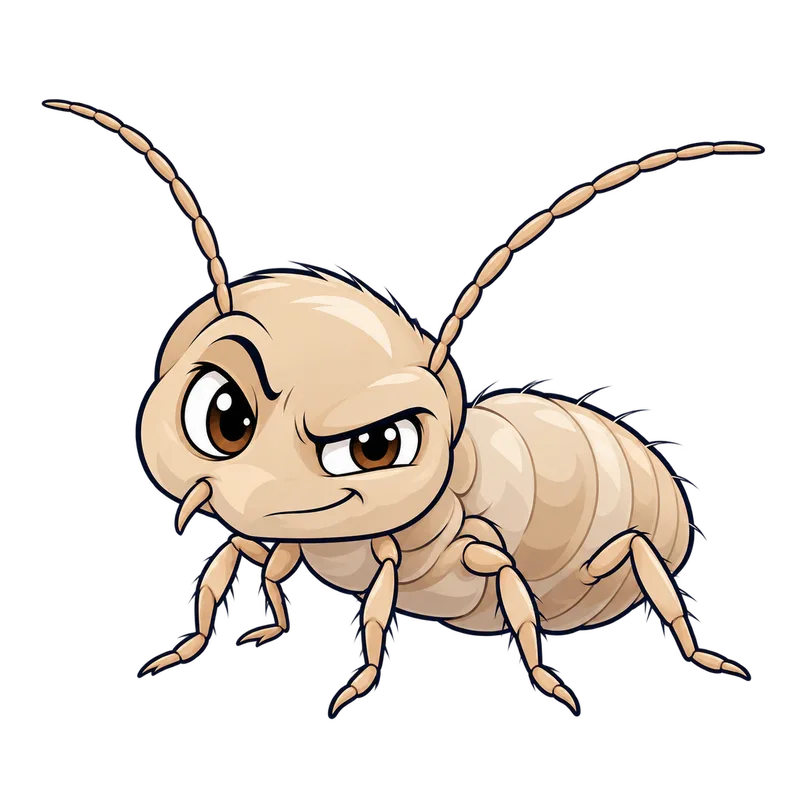
No, booklice are not harmful to people or property. These tiny insects measuring one thirty-second to one eighth of an inch long do not bite, carry diseases, or damage structures. They are harmless scavengers that feed on microscopic mold, meaning their presence simply points to high indoor humidity and dampness.
What is actually going on
You walk down to the basement on a humid Tuesday morning to grab a spare roll of paper towels, and you notice a tiny speck darting across a cardboard box. You lean in closer, squinting against the dim light, and realize the speck is moving. Then you spot another, and another, scuttling across the shelf like a microscopic ghost. You start wondering if your stored belongings are about to turn into a horror movie.
Are booklice harmful? The short answer is no. They do not bite people, they do not suck blood, and they do not carry diseases. They will not chew through your drywall or wreck the structural timber of your house the way termites do. If you find them in your home, you are not looking at a public health emergency or an impending structural collapse.
Think of finding booklice as spotting a living check engine light on your home dashboard. These tiny insects feed primarily on microscopic mold, fungi, and starchy glues. They thrive in damp, stagnant air. When you see them multiplying in a pantry or a basement corner, they are telling you that your indoor humidity has climbed and that an invisible film of mold is quietly growing nearby.
Finding them in a new house or a freshly renovated room is common. Newly built homes and freshly plastered walls emit high moisture for months, encouraging invisible fungal films that support booklouse populations until the structure thoroughly cures. Once the materials dry out, the food source disappears.
The name itself causes unnecessary panic. Comparing a booklouse to a head louse is like comparing a sea cucumber to a sea lion. While they share a word in their common name, they belong to an entirely different biological order and lack the specialized body parts needed to latch onto human hair or skin. They are harmless scavengers that happen to prefer the same humid environments that make wallpaper curl and cardboard smell musty.
Storing cardboard boxes directly on a damp concrete basement floor in July is like rolling out a red carpet and a twenty-four-hour buffet for microscopic mold. Once the mold arrives, booklice follow right behind because their thin outer skin makes them vulnerable to drying out. Running a dehumidifier turns their environment into a desert, solving the bug problem naturally.
How to tell for sure
Spotting creatures that measure roughly one thirty-second to one eighth of an inch long takes decent light and a little patience. Inside your house, booklice usually look like pale white, translucent gray, or light brown specks scurrying fast across moist surfaces. Grab a magnifying glass, and you will typically spot a soft, pear-shaped body, six thin legs, and a surprisingly round head.
People frequently mix them up with other tiny indoor crawlers, but a few quick checks clear up the confusion. Mites have eight legs instead of six, meaning they belong to the spider family rather than the insect world. Springtails jump wildly when you disturb them, while booklice simply scamper off on foot. Silverfish grow much bigger, wear shiny metallic scales, and move with three distinct tails.
You will generally catch booklice crawling near damp cardboard boxes, behind peeling wallpaper, inside unsealed flour or grain packages, or along the edges of basement shelves. If the bug you are staring at leaps, bites, or lives on a human head, you are dealing with something completely different.
What usually comes next
The smartest move you can make involves lowering the moisture level inside your house. Hosing down your baseboards with chemical sprays gives you nothing more than a temporary bandage. If the air stays damp, the mold sticks around, and the booklice bounce right back. Chemical treatments belong strictly in the background as occasional backup options.
Your main goal should be driving your indoor humidity below fifty percent with air conditioning and dehumidifiers. When you dry out the air, you strip these bugs of the moisture their fragile bodies need to stay alive. Keeping things dry causes the whole population to crash in a couple of weeks without dumping heavy chemicals across your floors.
Match that humidity control with some straightforward housekeeping. Toss out damp, moldy cardboard boxes and swap them for sealed plastic bins. Move dry pantry goods into airtight glass or plastic jars. Once the environment turns too dry for mold, the booklice disappear by themselves. For books or other non-food belongings, freezing items at zero degrees Fahrenheit for twenty-four hours knocks out every life stage for good.
When to get help
Some situations call for bringing in outside experts to sort things out. If anyone in your house deals with severe allergic reactions, like ongoing sneezing or asthma attacks kicked off by indoor dust, talk to a clinician for a proper checkup. The gathered debris and mold linked to heavy insect activity can easily irritate sensitive airways.
You ought to call in a professional when booklice show up in areas that point to hidden structural trouble. Finding them thriving in dry upstairs rooms usually means you are dealing with a secret plumbing leak, a roof drip, or trapped moisture inside wall spaces that needs a contractor or a home inspector to hunt down.
If you manage a commercial food plant, a storage warehouse, or a museum archive where priceless collections are on the line, bring in a licensed commercial pest control expert or a professional conservator. They can set up specialized climate monitoring and non-chemical treatments to protect delicate materials without risking damage.