
How do you get rid of booklice?
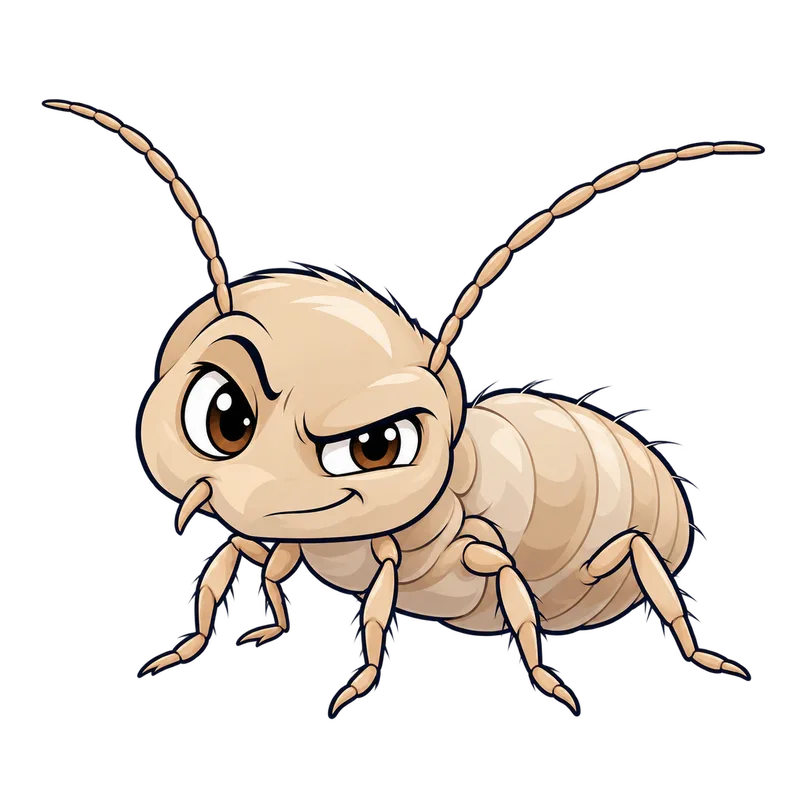
To get rid of booklice, you must drop your indoor relative humidity below fifty percent using dehumidifiers and proper ventilation. When the air becomes too dry, these insects dry out and die off within a couple of weeks, making chemical sprays unnecessary.
What is actually going on
You pull a rarely opened box of photo albums out of the basement corner, flip the flaps open, and notice hundreds of tiny, pale specks scurrying away from the light across the cardboard. It is an unnerving sight, especially when you spot the word lice in their common name and wonder if your home has suddenly picked up a parasite. Take a breath, because these creatures are entirely harmless to you and your pets. They do not bite, they do not feed on blood, and they are not related to the parasitic lice that live on mammals.
What you are actually looking at are booklice, or psocids, which are minute, soft-bodied scavengers. Think of them as living humidity sensors. They are not crawling out of your old photo albums because you are a messy housekeeper. They are there because those boxes are acting like hidden sponges, soaking up moisture from the air and growing microscopic patches of mold and fungal spores that these insects graze on.
If you want to get rid of them permanently, forget about the bug sprays and aerosol foggers sitting on the hardware store shelf. Chemicals only offer a temporary knockdown. As long as the air in your room or basement stays humid, the survivors will keep multiplying. The only real solution is to drop your indoor relative humidity below fifty percent using dehumidifiers and proper ventilation. When the air becomes too dry, these moisture-dependent insects simply dry out and die off completely within a couple of weeks.
To understand why these tiny insects showed up in your storage room, you have to look at how they survive. Booklice belong to the genus Liposcelis and thrive only when the air holds enough water vapor for them to absorb directly. They do not eat sound wood or dry paper. Instead, they graze on the invisible films of mold and fungal hyphae that form whenever humidity rises. When the relative humidity climbs past fifty-eight or sixty percent, they actively absorb ambient moisture to stay alive. Drop that humidity below fifty percent, and their bodies lose water faster than they can take it in, leading to total population collapse across all life stages within sixteen days.
That biological reality explains why temporary fixes fail so often. If you spray a pyrethroid insecticide along your baseboards, you might kill the adults out in the open, but you leave the eggs safe inside cardboard folds. More importantly, the spray does nothing to change the damp air that allowed the mold to grow in the first place. Without addressing the moisture source, the survivors simply reproduce and return.
How to tell for sure
Without a magnifying glass, booklice usually look like pale white, translucent gray, or light brown specks running across your baseboards, pantry shelves, or old book bindings in a frantic, jerky scurry. They cannot fly, and the kinds you find inside houses do not jump either. Since they measure between one-thirty-second and one-eighth of an inch long, you cannot reliably tell what they are without a closer look.
If you grab a ten-power hand lens and check one under decent light, you will usually spot six legs, long thin antennae, and a prominent, swollen front part of the head. Taking that extra step to magnify them matters because it stops you from mixing them up with other tiny bugs around the house. Mites, for instance, have eight legs and lack a clear head, while springtails have a spring-like tail that lets them jump across surfaces.
Beyond a simple look with a magnifying glass, figuring out the exact species usually takes an expert to put samples on a microscope slide in a lab. For basic pest control around your own house, you do not need to go that far. If you spot tiny, wingless, pale bugs running around damp spots or paper storage, and you know they do not bite or jump, you are almost certainly looking at psocids.
What usually comes next
You have to decide whether you want to treat just the bug you see or fix the whole living space, and the right move is almost always changing the environment. Because these insects need high humidity and the tiny mold it grows, your best weapon is plugging in a strong dehumidifier in that damp room, basement, or crawl space, and setting it to keep the air below fifty percent moisture.
You also need to tackle the cardboard situation. Cardboard boxes soak up moisture from the air, making a damp little pocket inside that keeps mold growing even if the rest of the room feels fine. Swap those cardboard boxes out for sealed plastic storage bins, and keep your books, papers, and dry goods lifted off concrete floors.
If certain items are heavily infested, like paperback novels or paper files, you do not need strong chemicals to rescue them. Put the items inside sealed plastic bags and toss them into your kitchen freezer at zero degrees Fahrenheit for a full day to kill off the adults, young bugs, and eggs. Once the air is dry and the cardboard is gone, the booklice will disappear on their own without needing a single drop of bug spray.
When to get help
Sometimes a pest problem points to a bigger issue that calls for outside help. If you run dehumidifiers day and night and your indoor humidity refuses to drop below fifty percent, you likely have an unaddressed structural problem. That could point to a hidden plumbing leak behind drywall, a weeping foundation crack, a broken roof gutter, or a damp crawl space. In those situations, you need to bring in a building professional or a moisture control expert to track down and fix where the water is getting in.
If you manage a commercial food processing plant, a grain storage facility, or a museum with valuable paper archives, a booklouse outbreak becomes a different kind of problem. Those places require zero tolerance, strict stock rotation, and professional pest management audits that follow industry rules instead of weekend DIY projects.
Finally, keep health worries in perspective. Booklice do not bite, sting, or carry diseases, and you should never blame them for a skin rash, mark, or bite-like wound. If anyone in your house is dealing with mysterious skin reactions or bites, talk to a doctor, visit an urgent care clinic, or call your local poison control center to figure out what is actually going on.