
What are booklice?
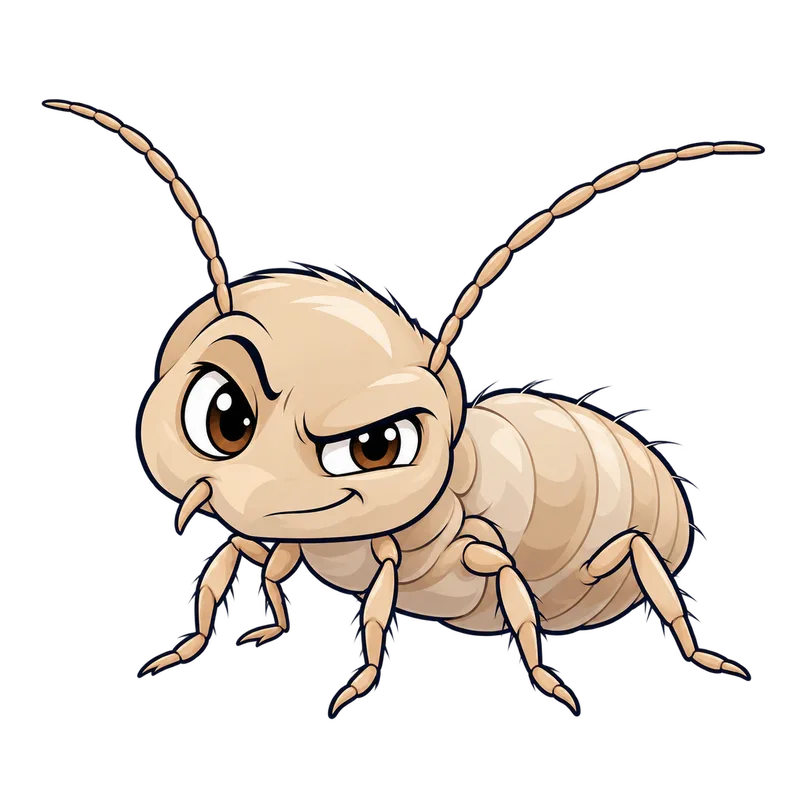
Booklice are minute, soft-bodied, wingless insects measuring 1/32 to 1/8 of an inch long that feed on microscopic molds and starch-based adhesives. They are completely harmless to people and pets because they do not bite, sting, or carry diseases. Their presence depends entirely on indoor moisture and high humidity.
What is actually going on
You pull a rarely opened photo album from the bottom shelf of your basement bookcase, and as you flip through the pages, you notice tiny, translucent specks scurrying across the paper. Naturally, your skin crawls a bit, and you wonder if you are dealing with an infestation of biting parasites or destructive insects. You are actually looking at booklice, which are scientifically known as psocids. These creatures are minute, soft-bodied, wingless insects that measure anywhere from 1/32 to 1/8 of an inch long. They are completely harmless to people and pets, despite sounding like something that belongs in a medical clinic rather than a home library.
Despite their name, booklice have nothing to do with the parasitic lice that live on humans or animals. They do not bite, they do not sting, they do not suck blood, and they do not carry human diseases. They belong to an ancient insect order called Psocodea, and while their outdoor cousins known as barklice possess functional wings, the species that move into human structures are entirely wingless and pale, ranging in color from translucent white to light brown.
The real reason they are crawling over your books or pantry shelves comes down to moisture and dinner. Booklice do not actually eat clean, dry paper, nor do they chew on your structural wood. Instead, they act as microscopic scavengers, grazing on invisible molds, fungal spores, yeast, pollen, and starch-based adhesives like the glue used in bookbindings or wallpaper paste. If you spot them, it is rarely because your house is filthy, but rather because a specific spot in your home has quietly grown damp enough to support microscopic fungal growth.
Booklice rely on moisture from the air to survive because they have a thin, permeable body cuticle. When indoor air stays humid, they thrive and reproduce rapidly. In new construction, freshly applied plaster, poured concrete, and drywall retain substantial moisture that supports microscopic fungal films. This creates a temporary, self-limiting population surge that usually disappears once the building materials cure completely. In older homes, damp basements and unventilated bathrooms provide the same damp microclimate. Cardboard storage boxes sitting directly on concrete floors act like paper sponges, absorbing moisture and fostering the hidden mold colonies that sustain large booklice populations out of sight.
How to tell for sure
Spotting tiny bugs can throw anyone into a panic, but booklice have a few distinct physical traits that set them apart from other household crawlers. They are usually pale, pear-shaped, and move with a jerky, scurrying motion rather than a fast dash. Under a magnifying glass, you will usually notice their prominent compound eyes, long thread-like antennae, and a swollen head region. Indoor species are almost always wingless, which distinguishes them from flying insects or outdoor barklice that occasionally wander inside through an open window.
People often confuse booklice with silverfish, mites, or springtails, but the differences are usually straightforward once you know what to look for. Silverfish are much larger, typically measuring up to three-quarters of an inch, and they sport a distinct teardrop shape covered in metallic silvery scales with three long bristles at the rear. Mites are tiny arachnids with eight legs instead of six, requiring high magnification to sort out, while springtails share the same moisture-loving habits as booklice but possess a specialized jumping appendage underneath that launches them into the air when disturbed.
What usually comes next
Once you have identified booklice, you face a choice about how to respond, and the most practical decision you can make is to ignore the pesticide aisle and focus entirely on your home humidity. Reaching for aerosol bug bombs or chemical sprays is tempting, but these products usually fail because they only kill the insects they directly touch while leaving the underlying moisture problem untouched. If the air in your home stays humid, surviving eggs will hatch, and new booklice will simply move back in within weeks. Trying to eliminate them with chemical sprays while keeping your indoor humidity high is like trying to bail out a leaky boat without plugging the hole.
Your primary objective is to drop and maintain your indoor relative humidity strictly below 50 percent. When the relative humidity drops below that 50 percent threshold, they suffer complete desiccation and die off across all life stages within about two weeks. Setting up a dedicated dehumidifier in damp areas like the basement, running exhaust fans during and after showers, and replacing damp cardboard storage bins with airtight plastic containers will alter the environment so drastically that the insects cannot survive there. Thoroughly vacuuming baseboards and wall junctions with a HEPA filter vacuum also helps remove adults, eggs, and organic debris.
When to get help
While booklice are harmless nuisances that do not transmit pathogens, heavy populations can accumulate cast-off skins and waste particles that might occasionally trigger mild respiratory irritation or aggravate asthma in sensitive individuals. If anyone in your household experiences persistent allergy symptoms or unexplained skin reactions, stop trying to diagnose the pest and consult a primary care clinician or an urgent care facility for proper medical guidance.
You should also look beyond the insects themselves to what their presence implies. Because booklice require high humidity to thrive, finding them in large numbers serves as an ecological warning sign of hidden structural dampness, a slow plumbing leak, roof seepage, or mold contamination behind drywall. If you cannot locate the source of the moisture, or if you suspect hidden water damage is compromising your home structure, bringing in a licensed pest management professional or a home inspector is the wisest course of action. Furthermore, if you ever discover booklice infesting rare historical archives, valuable library collections, or museum artifacts, do not attempt home treatments that could ruin the items. Instead, consult a certified paper or objects conservator who can safely manage the collection using specialized environmental controls or anoxic freezing techniques.