
What causes tiny jumping bugs in a damp bathroom?
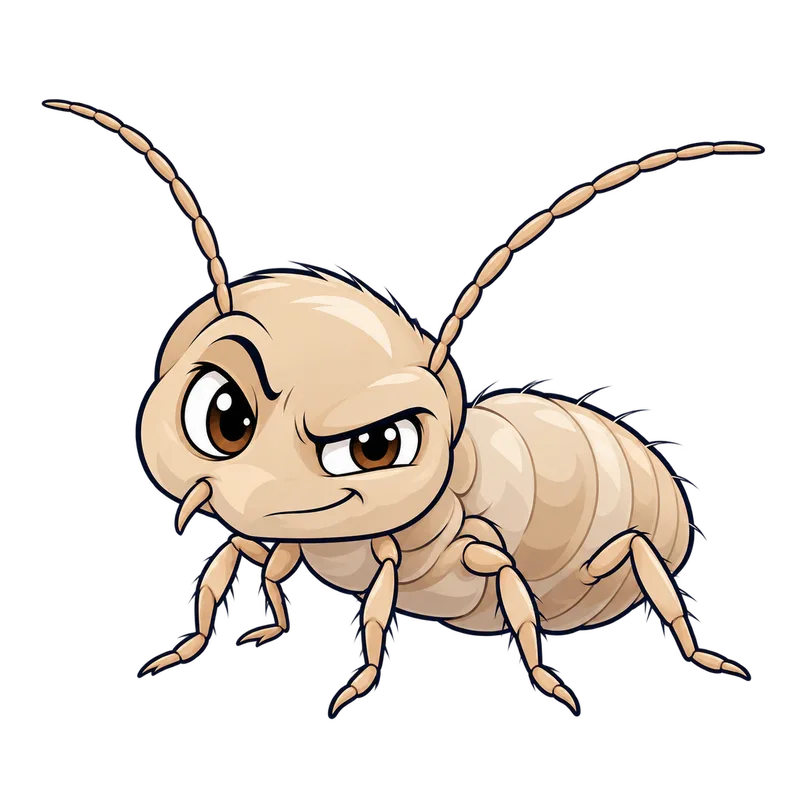
Tiny jumping bugs in a damp bathroom are usually booklice or mold mites running so fast they create a visual illusion of leaping. They are drawn to the space by moisture and microscopic mold. The exact cause depends on whether you have six-legged booklice sprinting across fixtures or eight-legged mold mites creeping over damp caulking.
What is actually going on
You step out of the shower, wipe a clear patch in the fogged-up mirror, and notice a handful of tiny specks darting across the porcelain sink. When you try to look closer, they seem to vanish in a frantic blink, zipping sideways with the erratic energy of a pinball. It is hard not to conclude that you are dealing with a microscopic invasion of jumping insects.
The trouble with that picture is that what you are likely looking at are not jumpers at all. When homeowners report tiny jumping bugs in a damp bathroom, they are almost always dealing with a visual illusion caused by creatures that run, crawl, or glide, rather than leap. The two most common culprits in this humid microclimate are booklice and mold mites, and neither of them possesses the specialized jumping legs found in true leapers.
Booklice are tiny, soft-bodied insects that measure just a fraction of an inch long. They do not have wings indoors, but they feature flattened hind legs and long, thread-like antennae that help them execute rapid, jerky, horizontal sprints across tiles and fixtures. That sudden darting movement happens so fast that your eye registers it as a hop. Mold mites, on the other hand, are even smaller arachnids that look like moving grains of coarse salt or black pepper. They lack wings entirely and creep along slowly in dense clusters over damp silicone caulking or grout lines, feeding on the microscopic mold that thrives in steamy air.
How to tell for sure
If you want to stop guessing and figure out what is crawling around your fixtures, you need to slow them down and take a closer look. Drop a strip of clear packing tape, sticky side down, over a few of the suspicious specks overnight. In the morning, you can examine your catch under a bright light with a magnifying glass without crushing them into oblivion.
If the creature under your lens has six legs, a distinct head, and a prominent nose-like structure on its face, you are usually looking at a booklouse. If it has eight legs, an oval, translucent body, and no visible antennae, you are usually dealing with a mold mite. Should you see tiny, moth-like insects hovering near the drain instead, you are likely looking at drain flies rather than crawlers.
One common doubt you might raise is why these creatures appeared so suddenly if the bathroom looks clean to the naked eye. The answer comes down to moisture. Daily hot showers release water vapor that condenses on cold walls and feeds invisible films of mold on soap scum and drywall paper. That microscopic fungal buffet acts as an all-you-can-eat invitation for these moisture-loving organisms.
What usually comes next
Once you figure out what is crawling across your bathroom, your main choice centers on moisture control rather than chemical warfare. Reaching for a can of bug spray usually leads to frustration because chemical treatments fail to solve the underlying problem.
The most effective step you can take is to lower the relative humidity in the room. When you keep bathroom humidity continuously below fifty percent, you pull the plug on their survival. Sustained dry air causes complete mortality for booklice within about two weeks and starves mold mites by drying out the fungi they depend on for food. Run your exhaust fan during showers and leave it humming for thirty minutes afterward, or plug in a portable dehumidifier if the space lacks proper ventilation.
Cleaning matters just as much as drying. Scrub tile grout and baseboards with hot water and detergent to strip away the organic residue and mold spores fueling the population. If your problem involves tiny flies hovering around the sink or shower drain, remember that pouring household bleach down the pipe rarely works. The liquid simply slides over the gelatinous slime inside the pipe like water off a raincoat. You have to physically scour the inner walls of the drain with a stiff wire brush and follow up with an enzymatic cleaner to clear out the nursery.
When to get help
While these bathroom visitors are a nuisance, they do not bite humans, feed on blood, or transmit diseases. However, their crushed bodies, shed skins, and waste fragments can release indoor allergens that trigger asthma or skin irritation in sensitive people. If you or someone in your household experiences persistent allergic reactions or respiratory distress, consult a medical professional for guidance.
Structural signs also demand professional attention. If your bathroom remains damp and your insect populations refuse to go away after weeks of dehumidification and cleaning, you might be dealing with a hidden plumbing leak behind the drywall or under the subfloor. A room dehumidifier cannot pull moisture out of a closed wall cavity. In that scenario, contact a licensed plumber or a professional pest management company to investigate the hidden water intrusion before structural timber starts to decay.