
Do booklice bite?
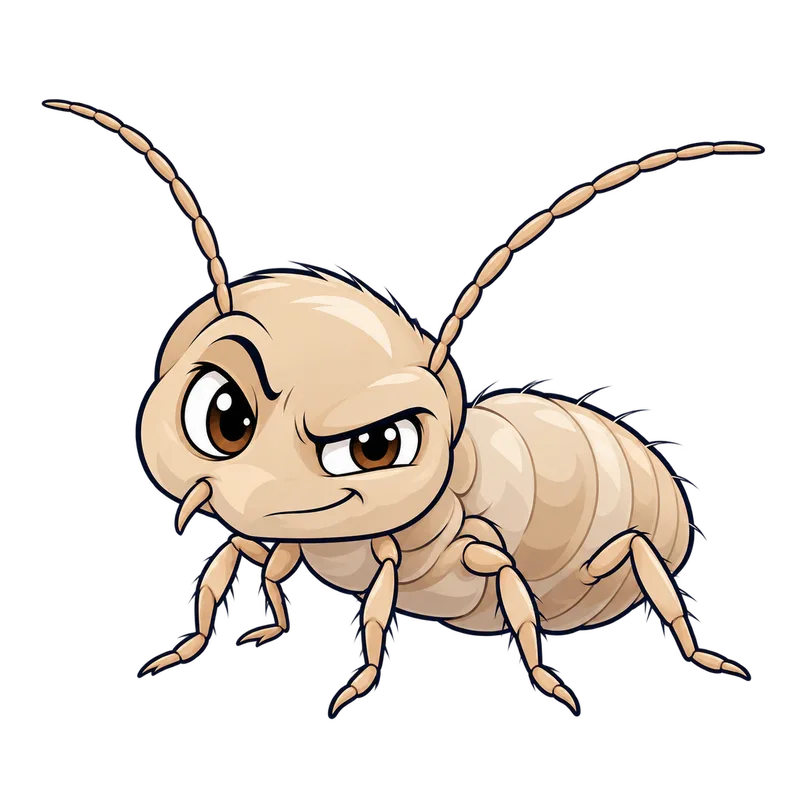
Booklice do not bite, as they have chewing mouthparts built for scraping up mold spores and lack the anatomy to attack humans. These tiny, harmless insects measuring between one thirty-second and one eighth of an inch long have no interest in your blood and are entirely unable to pierce human skin.
What is actually going on
You are down in the basement on a humid August afternoon, sorting through an old cardboard box of college textbooks and photo albums. As you lift the top cover, you notice dozens of tiny, pale specks scurrying across the yellowed pages. Your immediate reaction involves a quick skin check and a sudden, phantom itch. Surely something that looks like a miniature bug crawling over your property is looking for a meal, right?
To give you the short answer immediately, booklice do not bite. They have no interest in your blood, your skin tissue, or anything attached to your skeleton. They are entirely harmless to humans and household pets alike, lacking both the anatomy and the inclination to attack. When you spot them on your arms, they are simply wandering across the terrain by accident.
The confusion usually stems from the name. Because they carry the word lice in their title, people naturally lump them in with head lice or body lice. But true lice are parasitic creatures equipped with specialized claws and piercing mouthparts designed to feed on a host. Booklice belong to an entirely different group of insects. They are free-living scavengers with chewing mouthparts built specifically for scraping up microscopic mold spores, fungi, algae, and starchy glues.
If you feel a genuine itch or notice a rash in a room where you have spotted them, the culprit is usually airborne mold or dust associated with the damp conditions that brought the insects there in the first place, rather than any bite. They cannot pierce human skin, and they do not carry human pathogens. They are simply living their quiet lives wherever the humidity happens to favor the growth of their preferred food sources.
Booklice, known scientifically as psocids, are small and soft-bodied creatures that depend entirely on moisture and microscopic organic matter. They possess chewing mouthparts rather than piercing or sucking structures, meaning they lack the physical tools required to pierce skin. Their natural diet consists strictly of micro-fungi, mold spores, algae, and starchy substrates like bookbinding adhesives and wallpaper paste. They are drawn exclusively to damp environments where mold thrives, serving essentially as living bioindicators of high indoor humidity or hidden water leaks. When the air dries out, their populations naturally decline because they cannot survive dry conditions for long periods.
How to tell for sure
Spotting creatures that measure between one thirty-second and one eighth of an inch long means you need a little help to see what you are looking at. To the naked eye, indoor booklice usually appear as pale white, translucent gray, yellow, or light brown specks moving slowly across paper, baseboards, or pantry shelves. Without a clear view of their movement and form, it is easy to mistake them for other small organisms that share their damp habitats.
If you pull out a magnifying glass, you can usually tell you have a booklouse instead of another tiny household pest by looking at its features. They have a soft, pear-shaped body divided into three distinct regions, six legs, long threadlike antennae, and a very prominent, swollen front plate on the head. Indoor species are typically wingless or have only very reduced wing pads, which separates them from their outdoor relatives, the barklice, which have functional wings and live on trees.
You might confuse them with a few other microscopic visitors if you do not look closely. Mites are generally smaller, lack a distinct head-and-body division, and adults have eight legs instead of six. Springtails are similar in size and love moisture just as much, but they usually possess a tail-like jumping structure that causes them to leap into the air when disturbed. First-instar bed bug nymphs are pale and translucent like booklice, but they are broader, possess piercing mouthparts, and are built to feed on blood.
What usually comes next
Once you establish that you are dealing with booklice rather than anything menacing, your practical decision comes down to managing the moisture in your home. Booklice serve as nature's check-engine light for humidity. They need ambient relative humidity above fifty percent to survive, and they thrive when moisture levels climb higher in dark corners, pantries, or cellars.
Reaching for an aerosol bug spray or an insecticide provides nothing more than a temporary fix. You might knock down a few adult insects today, but if the air in your room or basement remains damp, the surviving eggs will hatch and rebuild the population in no time. Chemical controls are usually unnecessary if you target the real source of the problem instead of treating the symptoms.
The most effective step you can take is to lower the relative humidity in the affected area below fifty percent, ideally keeping it between forty and forty-five percent. Running a properly sized dehumidifier, increasing air circulation, and getting your stored items off concrete floors and into sealed plastic bins will dry out the microscopic mold and fungi they feed on. Maintaining a dry environment for a sustained period kills all life stages of these insects naturally, bringing a permanent end to the issue without the need for harsh chemicals. Product labels govern all usage where chemicals are considered, and decisions regarding commercial applications belong to licensed pest management professionals.
When to get help
Even though booklice do not bite, heavy infestations often point to a wider environmental problem that requires outside expertise. If you have lowered the relative humidity below fifty percent and kept it there for weeks, but the insects keep coming back, you are likely dealing with a hidden moisture defect. A persistent population during the winter heating months, for instance, often indicates a leaking pipe inside a wall void or condensation behind drywall that you cannot see. In that situation, you should bring in a licensed pest management professional or a building inspector to track down the source of the water.
On the health side, large numbers of booklice shed their skins and leave behind tiny fragments of organic dust. For people who are sensitive to allergens, breathing in this debris along with the mold spores in a damp room can trigger respiratory irritation, allergic rhinitis, or aggravate asthma symptoms. The insects themselves are harmless, but the conditions that breed them can cause real trouble for sensitive individuals.
Never try to diagnose skin lesions, unexplained rashes, or bite marks based on descriptions or photographs. Dermal reactions are entirely non-specific and cannot identify a pest. If you or someone in your household experiences persistent itching, unexplained skin marks, or worsening respiratory distress, skip the guesswork and consult a medical clinician or an urgent care facility immediately. For suspected pesticide exposure, contact poison control right away.