
Does a carpet beetle rash prove the larvae are in the bed?
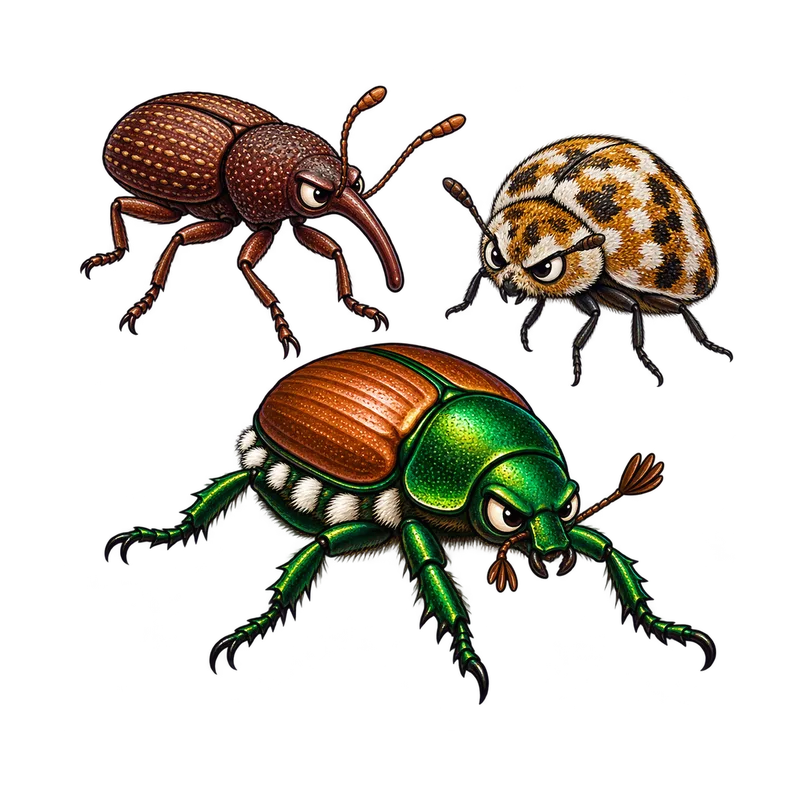
No, finding a skin reaction or a stray bug does not prove that carpet beetle larvae are living or breeding in your bed. These active wanderers forage widely across rooms, and their shed bristly hairs easily travel to sheets via laundry, dust, or foot traffic from other areas.
What is actually going on
Imagine waking up with a cluster of itchy red bumps on your arm, lifting the sheets in a panic, and spotting a tiny, fuzzy crawler near the foot of the mattress. It is easy to assume the worst, thinking the bugs have moved into the bed itself and are actively feasting on you while you sleep.
The short answer is no. Finding a skin reaction or a stray bug does not prove that carpet beetle larvae are living or breeding in your bed.
The reason comes down to what these insects actually are and how they behave. Adult carpet beetles do not bite humans, nor do their larvae feed on living tissue or suck blood. When people talk about a carpet beetle rash, they are not talking about a bite at all. The larvae are covered in tiny, bristly, barbed hairs known as setae. When these hairs shed, accumulate in dust, or end up on fabrics, they act like microscopic splinters. Brushing against them triggers mechanical irritation or an allergic skin reaction in sensitive people.
Why would this happen in bed if the bugs are not nesting there? Carpet beetle larvae are active wanderers. They forage widely across rooms, floor cracks, and wall voids in search of animal-derived organic debris like wool, pet hair, lint, and shed human skin. A single larva can easily crawl across a mattress or drop down from the ceiling without the bed serving as an active breeding site. Furthermore, shed larval skins and airborne hairs easily accumulate in dust bunnies under heavy furniture or inside air ducts, then travel to your sheets via laundry, pets, or foot traffic from other rooms.
How to tell for sure
Pinning down the culprit usually requires looking closer at the physical evidence rather than the skin reaction. Medical professionals and pest control specialists agree that you can never identify a pest from a skin lesion or a photograph alone. A red bump caused by carpet beetle hairs typically looks almost identical to a bed bug bite, a flea bite, or a dust mite allergy.
To know what you are dealing with, look for physical specimens rather than marks on your skin. Unaided, you can usually spot active larvae crawling along baseboards or dark floor edges. They often look like tiny, slow-moving bristly grubs, sometimes called woolly bears or carrot-shaped bugs. You might also spot cast larval skins, which look like empty, dry husks left behind as the insects grow.
If you want to check for bed bugs instead, look for dark fecal spots or tiny blood smears on the mattress seams, which carpet beetles never leave behind. If you are dealing with tiny, translucent white bugs that do not bite and have no interest in your skin, you might be looking at booklice that feed on mold in damp areas rather than fabric pests.
What usually comes next
When you suspect these pests because of an unexplained skin reaction, your best move is a thorough room sanitation sweep rather than reaching for pesticide sprays. You usually do not need to throw out your mattress or treat your sleeping surfaces with chemicals. In fact, you should never spray insecticides directly onto bedding, sheets, or mattresses.
Start by pulling your bed away from the wall and inspecting the dark, undisturbed zones nearby. Look under heavy bedroom furniture, along the baseboard seams where carpet meets the wall, and inside closet corners where woolens or lint gather. Vacuum those areas aggressively using a crevice tool to suck up stray lint, pet hair, and any wandering larvae. Empty the vacuum bag immediately into an outdoor trash bin.
For washable bedding, blankets, and clothes, run them through a hot water wash cycle or dry clean them. If you have delicate woolen items, stuffed animals, or pillows that cannot handle high heat, seal them in a plastic bag and place them in your freezer at zero degrees Fahrenheit for at least forty-eight hours to kill any hidden life stages.
When to get help
While most skin reactions from shed larval hairs clear up on their own, certain situations call for professional intervention. If you or someone in your home experiences persistent itching, spreading rashes, signs of a secondary bacterial infection, severe allergic reactions, or respiratory irritation like an asthma flare-up, skip the home remedies and contact a licensed physician or your local poison control center immediately.
You should also bring in a licensed pest management professional when carpet beetle larvae or fabric damage show up across multiple rooms, inside wall voids, or when a thorough domestic search fails to locate the primary breeding source. If the infestation turns out to be coming from an inaccessible animal nest in the attic or a chimney overhead, professional tools and structural treatments are usually required to clear it out safely.