
What are little white flying bugs outside?
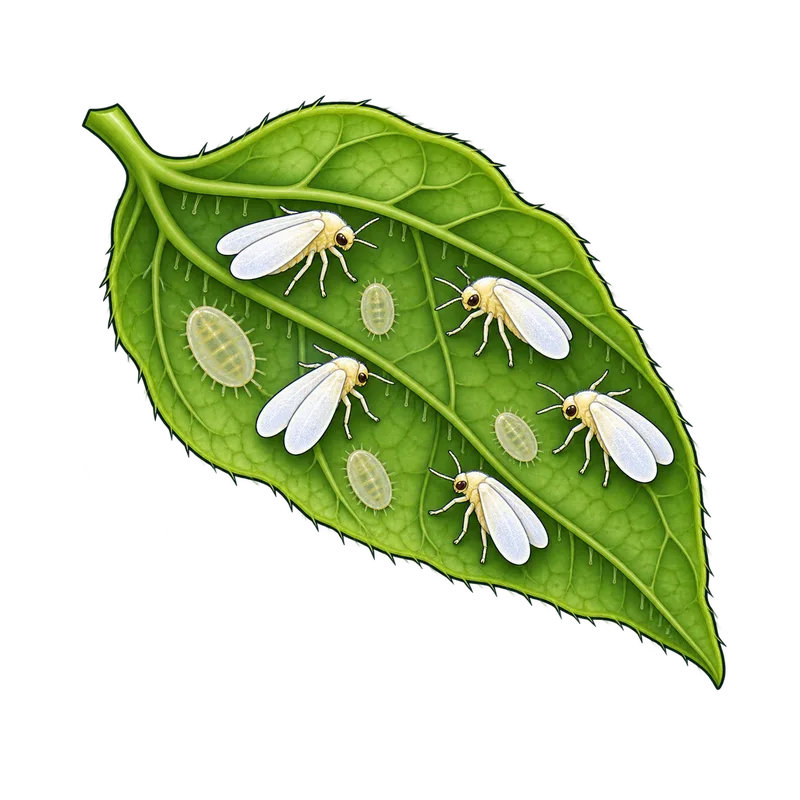
Those little white flying bugs outside are usually small plant-sucking insects like whiteflies or winged aphids, but they can also be moisture flies or reproductive termites. The exact culprit depends on where you spot them and how they behave, such as drifting up from garden leaves or swarming near damp mulch.
What is actually going on
You step outside onto the back porch on a humid afternoon, brush past the overgrown hibiscus by the railing, and suddenly a tiny, fluttering snowstorm of white specks lifts into the air. Naturally, you wonder what on earth you just disturbed. The short answer is that those little white flying bugs are usually small plant-sucking insects like whiteflies or winged aphids, though they can also be moisture flies or even reproductive termites looking for a new home.
The exact culprit usually depends on where you spot them and how they behave. If they drift up from the undersides of leaves when you touch the plant, you are looking at whiteflies or aphids. These tiny sap-suckers feed on garden foliage and ornamental shrubs, lifting off in small clouds before settling right back down on the greenery.
Sometimes, what looks like a flying bug is actually a tiny crawler or a waxy secretion. Certain mealybugs produce white, powdery coatings and release microscopic mobile stages that drift on the wind like dust. On the other hand, if you notice small, weak-flying gnats or moth-like flies hovering near damp garden mulch, potted plants, or air conditioner drip lines, you are dealing with moisture-loving insects that breed in decaying organic matter.
Then there are structural invaders. During warm spring or fall weather, you might see massive swarms of winged insects with pale, translucent white wings. These are often termite swarmers taking to the air to start new colonies. While their bodies are usually dark or tan, their wings catch the light and look milky white before the insects shed them on window sills and patio tables.
How to tell for sure
Identification has to come before any control attempt, otherwise you are just guessing and wasting time. Start by simply observing the flight pattern and habitat origin. If you shake a bush and a cloud of white specks flies up and settles quickly, you usually have plant-sucking whiteflies or aphids. You can confirm this by looking closely at the underside of the leaves.
If the insects are hovering weakly around damp soil, over-watered potted plants, or decaying compost, you are usually looking at fungus gnats or drain flies. Fungus gnats have slender dark bodies and erratic flight paths, while drain flies look almost like tiny, fuzzy moths with hairy wings that rest on exterior walls and shady siding.
When you find swarms of insects with long, equal-sized translucent wings near your foundation or windows, take a closer look at the wings and bodies. Termite swarmers usually have a broad waist and straight antennae. If they have already landed and dropped their wings, you will often find little piles of these milky white, scale-like wings left behind on sills.
For a definitive look at tiny details like wing veins or antennal joints, you usually need a ten times hand lens. However, if you are unsure whether you are facing a simple garden pest or a wood-destroying insect threat, a physical specimen can be submitted to a local university extension specialist for confirmation.
What usually comes next
Once you figure out what kind of bugs you are dealing with, the smartest move is usually fixing the underlying environment rather than running off to buy a bottle of spray. If those visitors turn out to be plant pests like whiteflies, or moisture bugs like fungus gnats, the most effective step you can take without chemicals is simply managing moisture and clearing away old debris.
Allowing your garden soil to dry out a bit between waterings stops fungus gnats from hatching in soggy potting soil and damp mulch. Keeping bark mulch at a sensible depth, and maintaining a clean dirt border right up against your house foundations, stops most moisture-loving insects from hanging out near your exterior walls.
If your closer look reveals shed termite wings or active swarmers close to wooden structures, the rules of the game change entirely. You should skip DIY treatments and call in a professional for a wood-destroying insect inspection. A licensed specialist can tell you if those white-winged visitors crawled out of an old rotting stump in the yard or a hidden nest inside your actual walls.
When to get help
There are moments when trying to handle the problem on your own is simply the wrong path. If you find translucent shed wings, muddy shelter tubes running up your foundation walls, or hollowed-out timber around your deck, you need to bring in a licensed pest control operator right away. Those are reliable signs of active termites that can threaten your home, and standard real estate transactions usually demand official documentation like a formal wood-destroying insect report.
If anyone in your house ends up with bug bites, weird skin rashes, or a bad allergic reaction after brushing past outdoor pests, stop guessing and get professional help. Take that person straight to a clinician, an urgent care facility, or your local poison control center so a doctor can figure out what actually happened.
Be careful if you are thinking about spreading fine dusts like diatomaceous earth around your perimeter to control pests. Breathing in fine silica dust can really irritate your lungs and leave you coughing or short of breath, and pool-grade filter dust should never be used because it contains hazardous crystalline silica. When commercial-grade pesticide treatments are necessary for complex property problems, always leave the job to certified professional applicators who carry the correct state or regional licenses.