
What do carpet beetle eggs look like near fabrics?
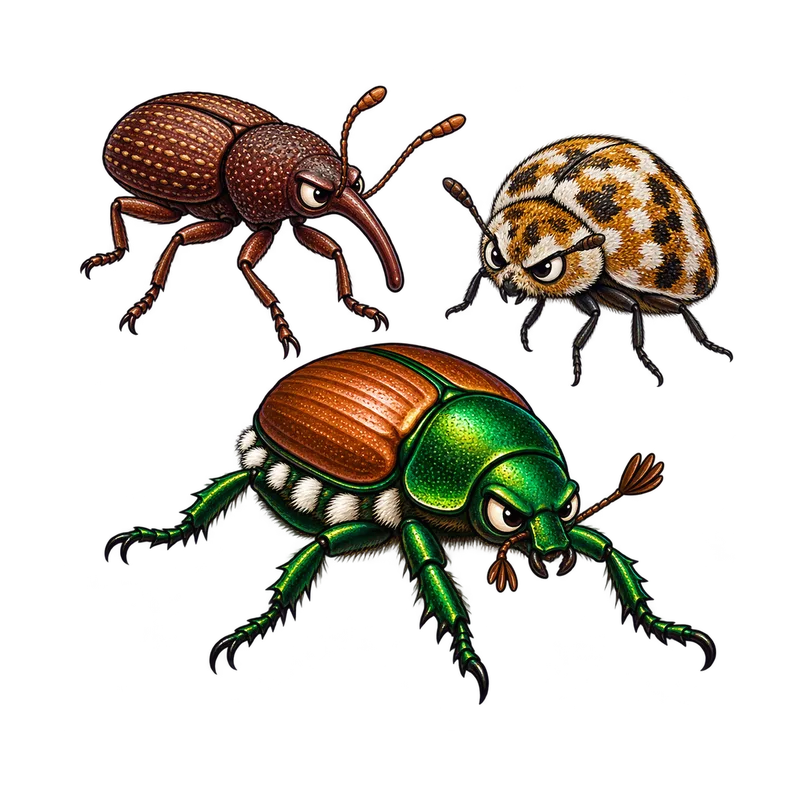
You will almost certainly never see carpet beetle eggs near fabrics because adult females deposit these microscopic, translucent, and soft eggs deep inside dark and hidden places. Hunting for them is like looking for a single grain of salt. Homeowners usually spot active larvae, cast-off skins, or droppings instead.
What is actually going on
Picture walking into the spare bedroom, lifting that heavy wool blanket you stored away last autumn, and noticing an irregular hole chewed right through the center. Naturally, you grab your phone and start searching for what the culprit left behind, wondering if you can spot the eggs before things get worse. The short answer is that you will almost certainly never see them. Adult female carpet beetles deposit microscopic, soft eggs in batches of 30 to 100 deep inside dark, hidden places like floor cracks, baseboard crevices, and garment seams.
Because these eggs are translucent, minuscule, and wedged out of sight, hunting for them is a bit like looking for a single grain of salt buried in a dark shag carpet. Instead of finding eggs, homeowners usually discover the aftermath. That means active, fuzzy larvae, tiny cast-off skins that look like empty insect husks, or small piles of droppings resembling coarse salt grains near the damaged fabric.
It helps to know that the adult beetles do not actually eat your clothes. Those small, oval adults are quite content living outdoors on flower pollen, or they might occasionally wander indoors and buzz against a sunny window sill trying to escape. The real damage comes entirely from the larval stage. These creeping, light-avoiding larvae possess specialized mouthparts that allow them to digest keratin, which is the tough protein found in wool, fur, feathers, leather, and animal hair.
You might wonder why a female beetle chooses one specific wool sweater over another. She seeks out dark, undisturbed harborages right next to an animal protein food source. Clean synthetic fabrics like polyester or nylon usually hold no interest for them unless those garments happen to be soiled with human sweat, skin oils, or food spills. The organic residue provides the nourishment the hatching larvae need, allowing them to chew through synthetic threads to get to what they want.
How to tell for sure
Since the eggs are practically invisible, identification usually relies on spotting the physical evidence left behind by the developing insects. Look closely at the edges of your wool rugs, inside closet corners, or under heavy furniture that rarely moves.
You will usually find active larvae crawling around. Depending on the exact species, these creatures are typically short, bristly, and brown or striped. Alongside them, you will usually spot empty, translucent husks left behind as the insects grow and shed their skins.
Another clear indicator is the presence of fine fecal pellets scattered around the damaged fibers. Unlike clothes moths, which spin silken tubes while they feed, carpet beetles leave no webbing behind. Their feeding damage usually appears as clean, grazed patches or large, ragged holes right in the middle of natural fibers.
If you spot small, rounded adults with mottled brown, white, and yellow scales crawling near a windowsill, that is usually a sign that a breeding population is hiding somewhere nearby in the structure, even if you have not yet found the main nursery.
What usually comes next
Once you spot signs of an active group settling in, your best move is disrupting their daily routine with some deep cleaning and targeted upkeep. Vacuuming remains your strongest initial defense. Run the machine slowly along carpet edges, baseboards, closet floors, and air vents to suck up stray lint, pet hair, dead bugs, and any hidden larvae or eggs.
For washable textiles, running items through a hot water wash or sending them out for dry cleaning finishes off every life stage. This routine also strips away the organic skin oils and food particles that initially draw egg-laying females to the fabric.
When dealing with delicate woolens, heirloom furs, or specialty items that cannot handle intense heat or a rough wash, freezing is a solid, chemical-free backup plan. Seal the threatened items inside heavy plastic storage bags, squeeze out the extra air, and drop them into a freezer set to zero degrees Fahrenheit or below for a few days. Once you pull them out, leave everything sealed inside the bag until the contents return to room temperature. This simple pause prevents condensation from forming directly on the fabric, saving your favorite garments from unwanted moisture damage.
When looking at chemical sprays, read and obey the product label instructions word for word. Never mist insecticides straight onto clothing, bedding, or any surface that regularly touches human skin. Save spot treatments strictly for empty closet floors, baseboard gaps, and carpet edges, ensuring the liquid dries completely before you put any clean items back into storage.
When to get help
Carpet beetles do not bite, spread infectious diseases, or chew through the wooden bones of your house, but an ongoing problem can still cause plenty of grief and call for outside backup. For sensitive people, brushing against the tiny, bristly hairs that larvae shed can trigger allergic reactions, itchy skin rashes, or annoying respiratory discomfort.
If the infestation digs in and seems to stem from deep inside inaccessible wall voids, wall-to-wall carpeting, or tight attic spaces, it is wise to hand the job over to a licensed pest control professional. They bring specialized tools to treat deep cracks and crevices without putting anyone at risk.
You should also check local regulations before taking action if you realize the main source of the beetles is an old bird or wasp nest tucked away in an attic, a chimney, or under the roof eaves. Protected wildlife nests often need to stay put until the local nesting season officially wraps up.