
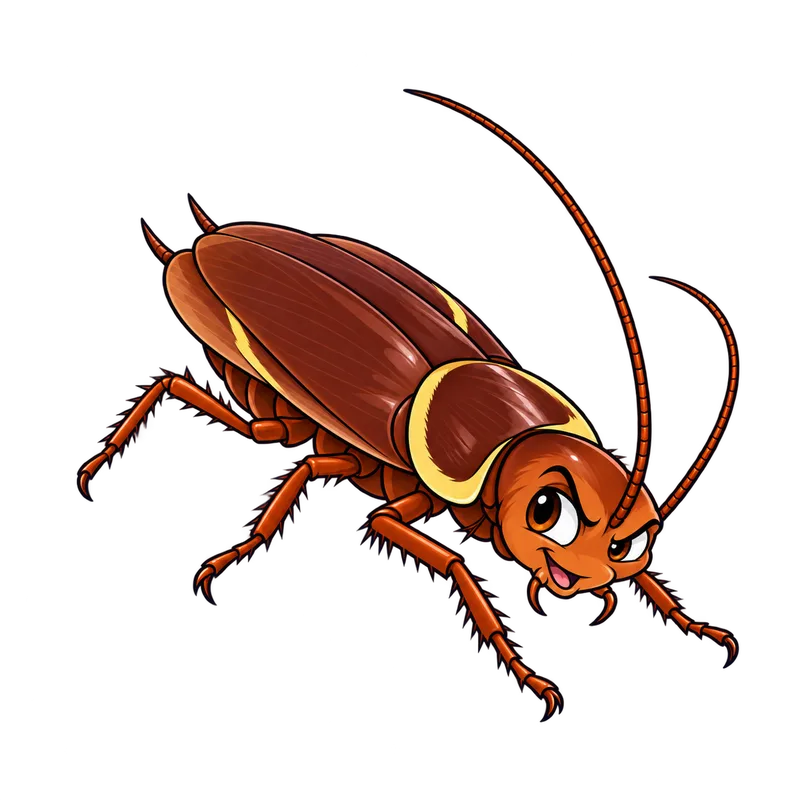
Australian cockroach
Periplaneta australasiae
- Size
- Longer than 5/8 inch
- Color
- Darker than reddish chestnut
- Habitat
- Warm, humid subtropical environments
- Diet
- Omnivorous organic matter
- Life cycle
- Incomplete metamorphosis
The Australian cockroach is a sizeable insect that makes its presence known not by hiding in tiny cracks like its smaller cousins, but by sporting a pair of distinct yellow shoulder stripes. Scientifically cataloged as Periplaneta australasiae, this subtropical pest is frequently mistaken for its domestic relatives due to its reddish-chestnut body color and general heft. Measuring longer than 5/8 inch, it carries a fully winged frame in both sexes that covers the entire abdomen and often extends past the tip.
Identity
To confirm the species without guesswork, look for two key visual markers on the upper body. The broad shield just behind the head features a high-contrast pattern with a pale yellow border surrounding a dark center. More telling still are the front wings, which display a clean, pale yellow streak along their outer margins. If you manage to examine the very rear of the insect under magnification, the terminal segment of the tail-like appendage measures twice as long as wide.
Habitat & behaviour
Despite its misleading common name, this species is not strictly native to Australia, operating instead as a cosmopolitan inhabitant of warm, humid climates. In southern regions, it thrives outdoors under mulch, in damp bark, and around decaying wood. When northern winters set in, however, outdoor survival becomes impossible. In colder states, populations are entirely restricted to artificially heated, moisture-rich indoor environments such as commercial greenhouses, steam tunnels, and boiler rooms.
Like most roaches, they run on a nocturnal schedule. Daytime wanderings are rare and usually point to a crowded population or a disturbed harborage. They are omnivorous scavengers that consume fats, proteins, carbohydrates, and decaying plant matter. When standard food is scarce, they turn their attention to starchy household items, chewing through wallpaper paste, book bindings, and paper sizing. Potted plants and indoor landscaping also serve as prime real estate, providing the exact combination of moisture, shelter, and organic debris they require to settle in.
Visual variations
The growth of the Australian cockroach follows incomplete metamorphosis, meaning it skips a pupal stage entirely and transitions through three distinct physical forms.
Eggs develop inside a tough, bean-shaped, dark brown capsule called an ootheca, which the female produces and drops into a protected crevice. Nymphs hatch directly from this capsule looking like miniature, wingless versions of the adults. These immatures have flattened bodies designed for squeezing into tight voids. As they grow, they shed their skin through periodic molts. Right after a molt, a nymph appears stark white for several hours before its new outer shell hardens and darkens back to normal.
Adults emerge with fully functional wings and reproductive organs. Unlike species where females are flightless or short-winged, both male and female Australian cockroaches possess long wings that completely cover the abdomen. Because this insect lacks a complex metamorphosis like a butterfly, there are no distinct castes or worker tiers. Every individual outside of the egg stage is either a developing nymph or a fully winged adult.
Why it matters
Finding this species indoors usually signals an entry point from a damp exterior or a hitchhiker brought home in a box of groceries, a carton, or a potted nursery plant. Once established, they create two primary concerns for homeowners. First, they act as mechanical vectors for human pathogens, moving freely between damp filth, drains, and food prep surfaces to spread bacteria. Second, their shed post-molt skins, saliva, and fecal deposits accumulate into potent allergens that trigger asthma attacks and allergic rhinitis, particularly in children.
If an infestation takes hold inside wall voids or commercial facilities, a store-bought spray rarely cuts off the root of the problem. Chemical treatments require strict adherence to product labels, and multi-unit buildings or heavy infestations often demand the services of a licensed pest control operator. For health concerns related to bites, rashes, or respiratory distress, consult a healthcare professional immediately.
Similar species
 Asian cockroachBlattella asahinai
 Turkestan cockroachShelfordella lateralis / Blatta lateralis / Periplaneta lateralis
 Florida woods cockroachEurycotis floridana
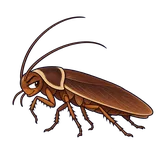 Pennsylvania wood cockroachParcoblatta pennsylvanica
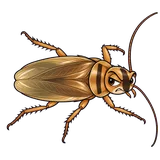 Field cockroachBlattella vaga
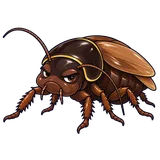 Surinam cockroachPycnoscelus surinamensis