
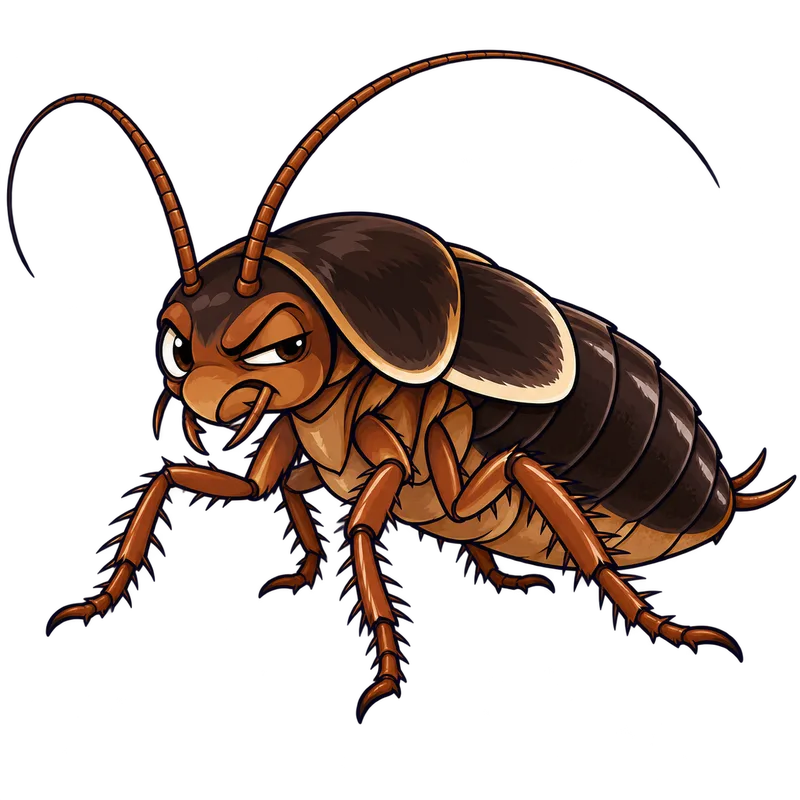
Turkestan cockroach
Shelfordella lateralis / Blatta lateralis / Periplaneta lateralis
- Size
- Up to 1 inch
- Color
- Dark brown to black with cream markings, males yellowish-tan
- Habitat
- Outdoor areas, damp microhabitats, and municipal infrastructure
- Diet
- Decaying vegetation and organic waste
- Life cycle
- Egg, nymph, and adult stages
The Turkestan cockroach, known scientifically as Blatta lateralis, has a habit of causing unnecessary panic when it wanders into a home, mostly because people assume any dark cockroach indoors is the vanguard of an army. You are far more likely to notice the stark difference between the sexes than you are to care about their formal taxonomy. The adult female grows to about 1 inch in length, showing off a dark brown to black body with a notably narrow thorax and short wing buds edged in distinct cream-colored markings. The male is slightly smaller, coming in under 1 inch, but he carries fully developed yellowish-tan wings marked with matching cream stripes along the outer edges. Those wings make the males look entirely different from their partners, which often leads people to suspect they are looking at two different species entirely. When you spot one of these insects outdoors, you are looking at an invasive species that has made itself right at home in parts of the American Southwest, steadily pushing out native or older established outdoor roaches by sheer persistence.
Habitat & behaviour
If you want to find where these insects spend their days, stop looking under your kitchen sink and head out to the yard. They are strict outdoor dwellers that favor dark, moist microhabitats such as woodpiles, leaf litter, irrigation boxes, water meter pits, and the cracks in rock walls or concrete slabs. They also take advantage of municipal infrastructure, setting up in storm drains and sanitary sewer systems where moisture and organic detritus are in endless supply. They are entirely nocturnal creatures, spending daylight hours hidden away in damp harborages and emerging only after dark to scavenge for decaying vegetation and organic waste around structural perimeters. Their outdoor activity peaks during warm summer months. If you find one indoors, it is almost always a wanderer that crossed your threshold during a dry spell or a hot night looking for water, and it usually ends up dying near the entry point because it cannot survive or reproduce inside a climate-controlled building.
Visual variations
Life for this species moves through three distinct stages: egg, nymph, and adult. The females produce dark, bean-shaped egg cases called oothecae, dropping them directly into damp outdoor soil or beneath sheltered exterior containers where the humidity protects the developing embryos. Nymphs hatch out looking like miniature, wingless versions of the adults, though the exact color progressions across their early molts are subtle and variable. Because these are non-social insects, they do not divide themselves into worker or soldier castes, meaning every individual simply feeds, grows, and molts on its own trajectory until it reaches maturity. Once they hit the adult stage, the sexual dimorphism becomes striking. The female remains stout, dark, and practically wingless with her tiny cream-bordered wing pads, while the male develops full yellowish-tan wings that stretch down the length of his abdomen, giving him a much lighter appearance when he scurries across a patio at night.
Why it matters
Finding these roaches around your home is primarily an outdoor nuisance rather than a sign of structural ruin, but they do carry certain risks worth noting. Because they frequent sewers, storm drains, and decaying waste piles, they can mechanically pick up and transfer disease-causing organisms on their bodies if they wander across outdoor surfaces or into living spaces. They do not bite or sting humans, but like other cockroaches, their shed skins and waste can contribute to indoor allergens that irritate asthma and sensitive airways. If you are trying to manage them, proper identification matters because treating an outdoor population requires focusing on perimeter sanitation, clearing leaf litter, and sealing hardscape cracks rather than wasting time on indoor aerosol bug bombs. Never apply liquid chemical sprays directly into storm drains or public sewer lines to try and clear them out, as those systems connect directly to local waterways and create severe environmental contamination risks.
Similar species
 Florida woods cockroachEurycotis floridana
 Pennsylvania wood cockroachParcoblatta pennsylvanica
 Field cockroachBlattella vaga
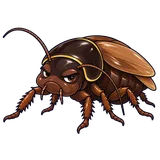 Surinam cockroachPycnoscelus surinamensis
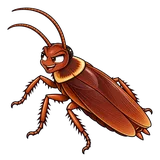 Brown cockroachcombinações Periplaneta/Validiblatta brunnea: confirmar
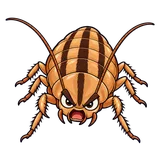 Three-lined cockroachLuridiblatta trivittata