
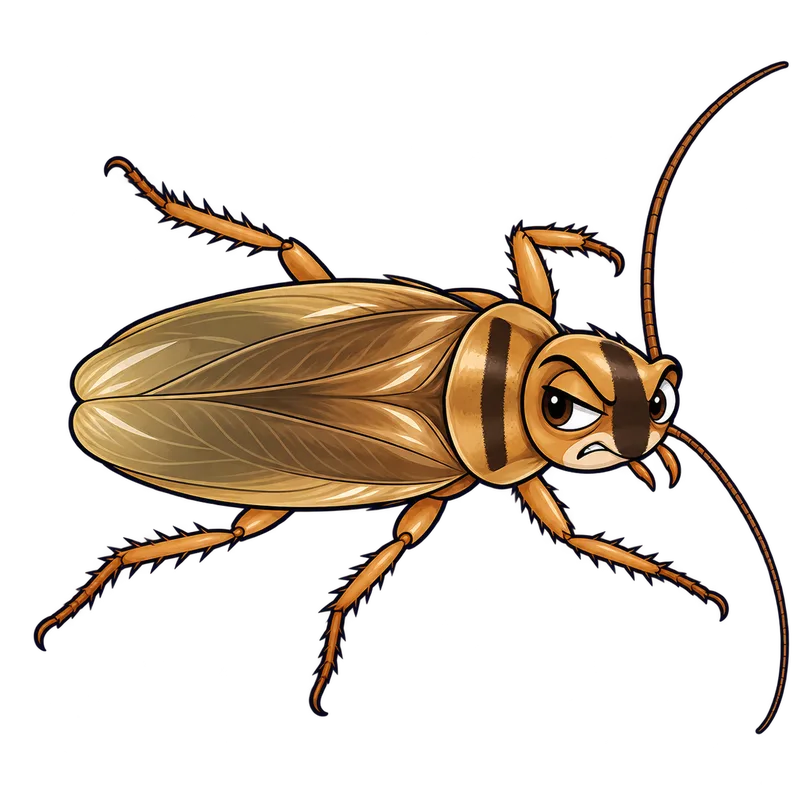
Field cockroach
Blattella vaga
- Size
- 1/2 to 5/8 inch (13 to 16 mm) long
- Color
- Light tan to light brown with two parallel dark stripes
- Habitat
- Outdoor leaf litter, mulch, and fields, occasionally wandering indoors
- Diet
- Omnivorous scavenger of organic matter and food debris
- Life cycle
- Gradual metamorphosis from egg to nymph to adult
The field cockroach belongs to a group of small insects that often cause unnecessary panic simply because of their family resemblance. You spot a small, light tan bug with two dark longitudinal stripes running down the shield right behind its head, and your mind instantly jumps to a severe indoor infestation. That visual fingerprint of two dark parallel pronotal stripes is shared across several close relatives, making casual identification tricky. While external entomological keys occasionally point to a faint dark median facial stripe between the eyes to separate certain field species from indoor pests, positive confirmation often requires a specialist when specimens turn up outside their usual haunts.
Habitat & behaviour
Unlike their strictly indoor cousins that demand climate-controlled kitchen cabinets and leaky plumbing voids, these roaches prefer an outdoor lifestyle. They make their homes in leaf litter, agricultural fields, and landscape mulch, feeding on decaying organic debris. They are primarily nocturnal and thigmotactic, meaning they prefer the physical comfort of tight spaces against their bodies. You usually only notice them when hot, dry weather drives them out of the garden or when autumn temperatures drop, prompting them to wander across patios and occasionally slip through gaps around exterior doors.
Visual variations
Growth for this creature happens in three steps without any dramatic transformations like a caterpillar turning into a butterfly. The eggs start inside a light tan, purse-shaped egg case measuring about one-quarter of an inch long that packs roughly 30 to 40 eggs inside. Females carry this capsule tucked at the tip of their abdomen until the hatch is nearly ready, keeping the embryos safe from drying out in the soil. Nymphs hatch out as wingless miniatures of the grown-ups, showing off a darker body crossed by a pale or tan stripe down the middle of their back. They shed their skins six or seven times before they finally mature, looking like ghostly white ghosts for a few hours after each molt until their new shell hardens and darkens. Adults grow fully formed wings, though actual flying skills differ quite a bit across related species in the same family, leaving some grounded while others fly right toward your porch lights.
Why it matters
Spotting one of these outdoor travelers near your front door or hovering around a porch light does not mean you have a breeding colony taking over your pantry. Even so, ignoring them completely carries its own set of risks. Cockroaches leave behind shed skins, saliva, and droppings that release strong indoor allergens, which can spark severe asthma attacks and allergic rhinitis for sensitive people, especially kids. They can also carry bacteria around on their legs after crawling through decaying matter outside. If you decide to use chemical controls, keep in mind that pesticide labels are legal documents, and you have to follow every rule on them to keep people and pets safe. When large numbers start showing up inside or you simply cannot figure out what you are looking at, bringing in a certified pest management professional or a local extension agent helps you tackle the actual source instead of treating the wrong pest.
Similar species
 Surinam cockroachPycnoscelus surinamensis
 Brown cockroachcombinações Periplaneta/Validiblatta brunnea: confirmar
 Three-lined cockroachLuridiblatta trivittata
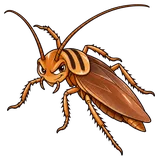 German cockroachBlattella germanica
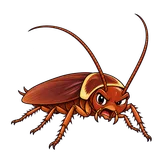 American cockroachPeriplaneta americana
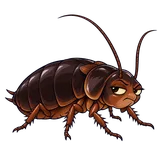 Oriental cockroachBlatta orientalis