
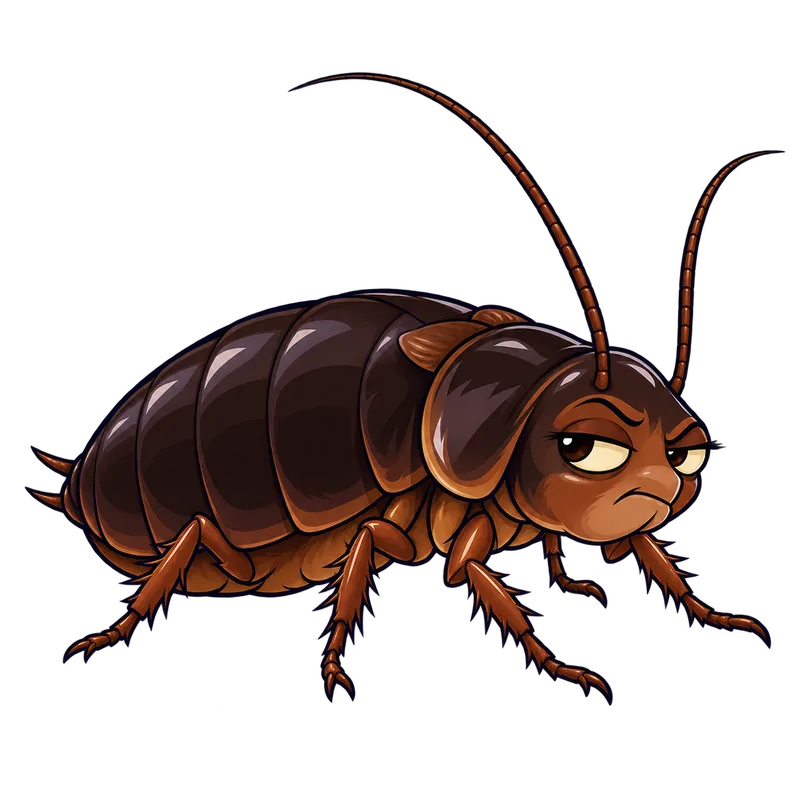
Oriental cockroach
Blatta orientalis
- Size
- 1 inch to nearly 1-1/2 inches long
- Color
- Glossy dark brown to black
- Habitat
- Basements, crawl spaces, sewers, and damp floor drains
- Diet
- Omnivorous scavenger of garbage, decaying matter, and filth
- Life cycle
- Egg to adult takes 1 to 2 years
The Oriental cockroach is a heavy-bodied insect that often startles homeowners when it scuttles across a basement floor. Adults measure from 1 inch to nearly 1-1/2 inches in length, with males staying closer to 1 inch and females reaching the upper end of that range. Both sexes share a glossy dark brown to nearly black coloration that often earns them the mistaken label of black beetles.
Identity
A close look at the head and thorax reveals a solid dark shield behind the head, completely free of the pale outer margins or twin parallel stripes found on other household roaches. Wing development differs sharply between sexes. Males sport wings that cover half to three-quarters of their abdomens, while females carry only tiny, rudimentary wing pads. Neither sex can fly, so any insect taking to the air is another species entirely.
Females produce a distinct dark reddish-brown to black egg case measuring about 3/8-inch long with a non-symmetrical, purse-shaped profile. Unlike species that carry their eggs until hatching, the Oriental cockroach female drops or glues her capsule to a protected surface within 24 to 30 hours of forming it, leaving behind a package containing 14 to 16 eggs.
Habitat & behaviour
Moisture dictates nearly every move this species makes. Frequently called water bugs, these insects are strongly drawn to cool, damp, and dark subterranean environments. Indoors, they stick close to ground level, clustering in cellars, damp crawl spaces, floor drains, sump pump pits, and around leaky plumbing lines in basements or laundry areas. Outdoors, they thrive in municipal sewer systems, damp leaf litter, heavy mulch, and woodpiles.
They prefer temperatures under 84 degrees Fahrenheit and possess a remarkable tolerance for cold, allowing them to survive freezing outdoor weather during winter months. As nocturnal scavengers, they spend daylight hours hiding tightly in cracks and crevices, emerging only after dark to feed on garbage, decaying organic material, starchy items, and sewage. When autumn cooling sets in or prolonged dry spells dry out outdoor soils, these ground-dwelling insects often wander indoors through basement windows, door gaps, and utility penetrations in search of humidity and shelter.
Visual variations
Nymphs step out of the egg case looking like miniature versions of the adult female, carrying the same dark brown to black shade and an oval, flattened body. A newly molted nymph stays startlingly white for a few hours before its new skin darkens and hardens. Moving through seven to ten molts, they slowly grow larger while keeping their wingless shape.
Grown males and females show clear physical differences. Males are noticeably narrower, with shorter bodies and wings that leave the tip of the abdomen uncovered. Females are broader, heavier, and lack functional wings entirely, showing only small pad-like lobes on the thorax that leave every abdominal segment fully visible from above.
Why it matters
Spotting one of these roaches indoors usually points right to an unaddressed moisture issue, a dry floor drain, or a broken sewer line rather than simple messy housekeeping. Because they wander through municipal sewers, garbage, and decaying material, they act as carriers capable of spreading bacterial pathogens onto food prep surfaces and kitchen utensils. Their shed skins, droppings, and body secretions also create strong indoor allergens that can trigger allergic reactions and worsen asthma symptoms, especially in kids.
When heavy populations migrate from outdoor systems or take over commercial buildings, professional management becomes necessary. Anyone dealing with ongoing breathing trouble or allergy flare-ups should see a clinician for a proper medical check, and any pesticide treatments must strictly follow product label instructions or be handled by licensed professionals in commercial and institutional spaces.
Looking closely at similar bugs stops you from mixing them up. The American cockroach is much larger, growing up to 2 inches long, and features a yellowish band around its shield along with fully functional wings. The smaller German cockroach reaches only 1/2 to 5/8 inch long and shows two dark parallel stripes on its light tan shield. The Turkestan cockroach, which often pushes out the Oriental roach in dry western climates, features distinct pale markings along its body edges or wings. Finally, ground beetles get mistaken for black beetles all the time, but beetles have hard, straight wing covers meeting in a straight line down the back and lack the rear appendages called cerci that you see on roaches.
Similar species
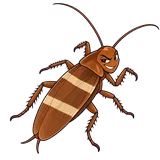 Brown-banded cockroachSupella longipalpa
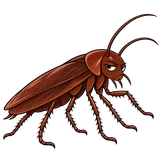 Smokybrown cockroachPeriplaneta fuliginosa
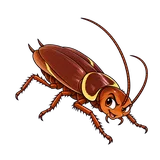 Australian cockroachPeriplaneta australasiae
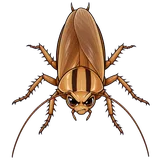 Asian cockroachBlattella asahinai
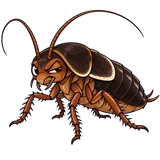 Turkestan cockroachShelfordella lateralis / Blatta lateralis / Periplaneta lateralis
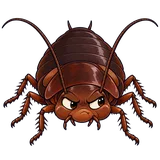 Florida woods cockroachEurycotis floridana